
White Stuff Tooth Extraction Site: Recovery Guide
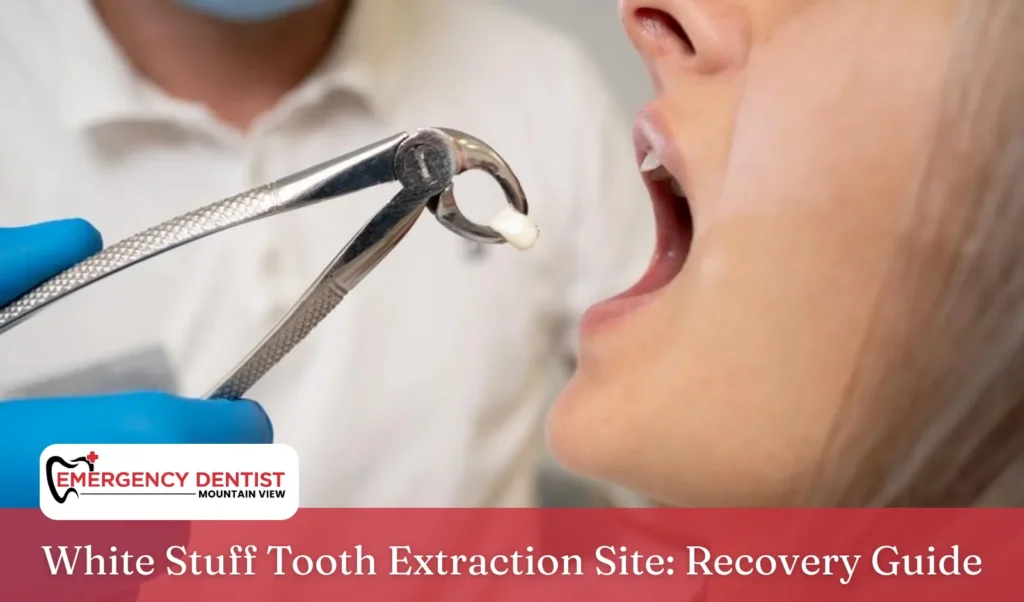
Having a tooth removed can feel overwhelming, and it is common to worry whether the healing process is progressing as it should. One of the issues patients often notice is white stuff in a tooth extraction site. Whether it appears within the first 24 hours or after a couple of days, the change can raise questions: is it a normal sign of recovery, or does it point to a problem? Understanding what this tooth extraction white stuff really means, and knowing when to call an Emergency Dentist in Mountain View, can help you feel reassured throughout recovery.
What Is the White Stuff in a Tooth Extraction Site?
When a tooth is pulled, your body immediately begins the tooth extraction healing process. Within the first 24 hours, a blood clot forms over the socket to shield exposed bone and nerves. This clot provides protection while new gum tissue develops to close the site.
As healing continues, you may notice white stuff on an extracted tooth or along the gum line. In most cases, this is perfectly normal and suggests the area is healing properly. Some common explanations include:
- White blood cells gather to fight bacteria.
- New gum tissue begins to grow over the wound.
- Granulation tissue forming, made of protective cells, collagen, and tiny blood vessels, which may look whitish or pale.
By about 48 hours, you may see a thin white or yellow film covering the tooth extraction site. While it can look unusual, this is generally healthy tissue growth, not a sign of infection.
Causes of White Stuff After Tooth Extraction
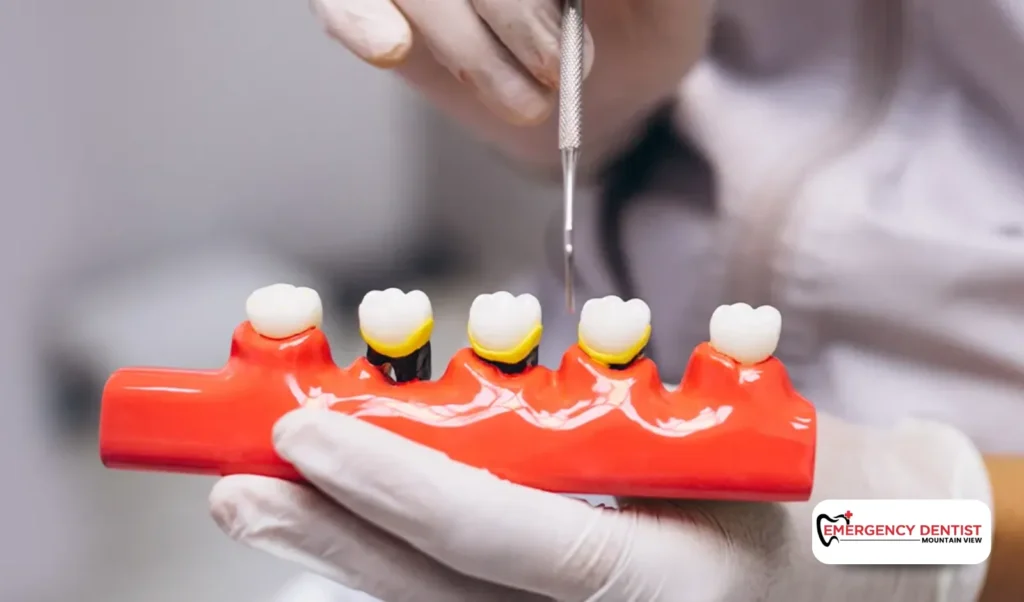
There are several possible reasons for white stuff in tooth extraction sockets. Some are harmless signs of progress, while others may need professional attention:
1.Blood Clot and Healing Tissue
As the blood clot forms and matures, it changes color. What starts as red may shift to white, yellow, or gray as new tissue develops.
2.White Blood Cells
The immune system sends white blood cells to the wound to block infection, which can give the area a pale or white appearance.
3. Gum Tissue Growth
As the socket begins to close, new gum tissue forms. Early growth often looks white before blending with the surrounding gums.
4. Food Debris or Food Particles
Sometimes food particles get stuck in the socket, appearing like healing tissue. This food debris may cause a bad taste in your mouth or even odor. To prevent this, always gently rinse your mouth with warm salt water and keep the area clean.
5. Bone Exposure
In some cases, especially when wisdom teeth are removed, the socket may be deep enough to expose underlying bone. While this is not always a complication, a dentist should check it to confirm the site is healing properly.
Normal Healing vs. Signs of Trouble
Not every case of white stuff tooth extraction site is a problem. Here’s how to tell the difference:
Normal Healing Signs
- Mild soreness improving each day
- A white or yellow film that stays in place
- No foul odor or persistent bad taste
- Swelling that gradually decreases
Signs of a Problem
- Severe or throbbing pain after two to three days
- A socket that looks empty, suggesting you may have dislodged the blood clot
- A bad taste in your mouth that does not go away
- Swelling or redness that worsens
These may indicate infection or dry socket, which require immediate care from an Emergency Dentist in Mountain View.
How to Care for the Extraction Site
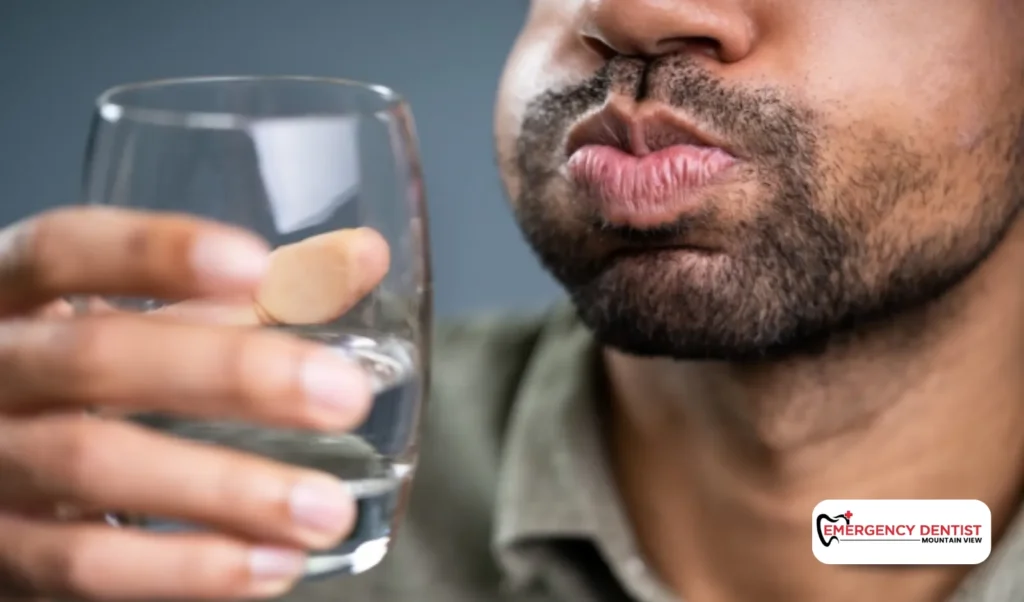
Your recovery depends greatly on how well you care for the extraction site. Proper aftercare keeps the socket safe, reduces the chance of infection, and helps tissues repair quickly. Follow these steps:
1. Rinse Gently
Begin rinsing with warm salt water the day after your procedure. Do this several times a day to control bacteria and keep the area clean. Always gently rinse, since forceful swishing can loosen the clot.
2. Maintain Cleanliness
Continue brushing and flossing your other teeth, but avoid scrubbing directly over the tooth extraction site. The healing tissue must stay undisturbed to protect the bone and nerves.
3. Eat Soft Foods
Choose foods such as yogurt, mashed potatoes, applesauce, or soups. These minimize irritation and prevent food particles from lodging in the socket. Reintroduce firmer foods slowly as healing progresses.
4. Avoid Smoking and Straws
Both create suction that can dislodge the blood clot, greatly increasing the risk of infection or dry socket. Wait until your dentist confirms proper healing before resuming these habits.
5. Protect the First 48 Hours
The first two days are the most important. Rest, avoid unnecessary strain, and follow your dentist’s directions closely. This gives the clot time to stabilize and supports healthy gum tissue growth.
Conclusion
Seeing white stuff in a tooth extraction site can feel concerning, but in most cases, it’s simply part of the healing process. This layer often includes white blood cells, new gum tissue, or granulation tissue that naturally forms over the wound. Understanding the difference between normal recovery and warning signs, like severe pain, swelling, or a foul odor, helps you know when to seek care.
For a smooth recovery, rinse your mouth with warm salt water, keep the area clean, stick to soft foods, and avoid habits that could dislodge the clot. These steps protect the underlying blood vessels, bone, and nerves, allowing the site to heal properly.
If you notice a sign of infection or have concerns about your progress, contact an Emergency Dentist in Mountain View right away. With good aftercare and professional guidance, you can recover comfortably and return to normal oral health with confidence.