
Best Meds for Tooth Pain: Effective Relief Options
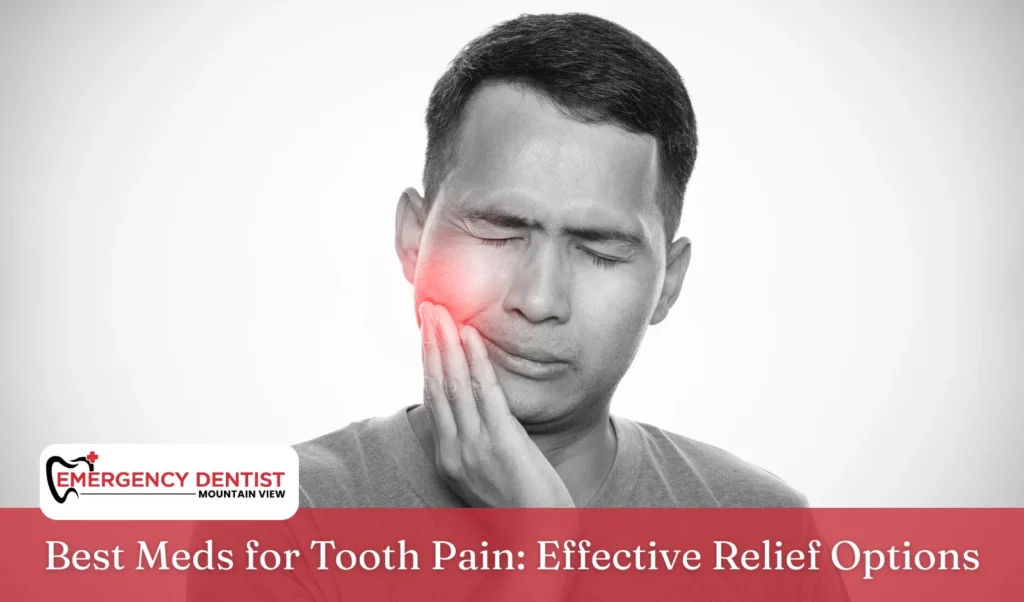
Tooth pain can appear suddenly, sometimes sharp and throbbing, other times dull and persistent. Whether caused by a cavity, infection, or wisdom tooth, finding the right medicine for tooth pain can make all the difference.
In this article, you’ll learn about the best medication for tooth pain, what to take for fast relief, and which home remedies for toothaches can help while waiting to see an Emergency Dentist in Mountain View.
Common Causes of Tooth Pain
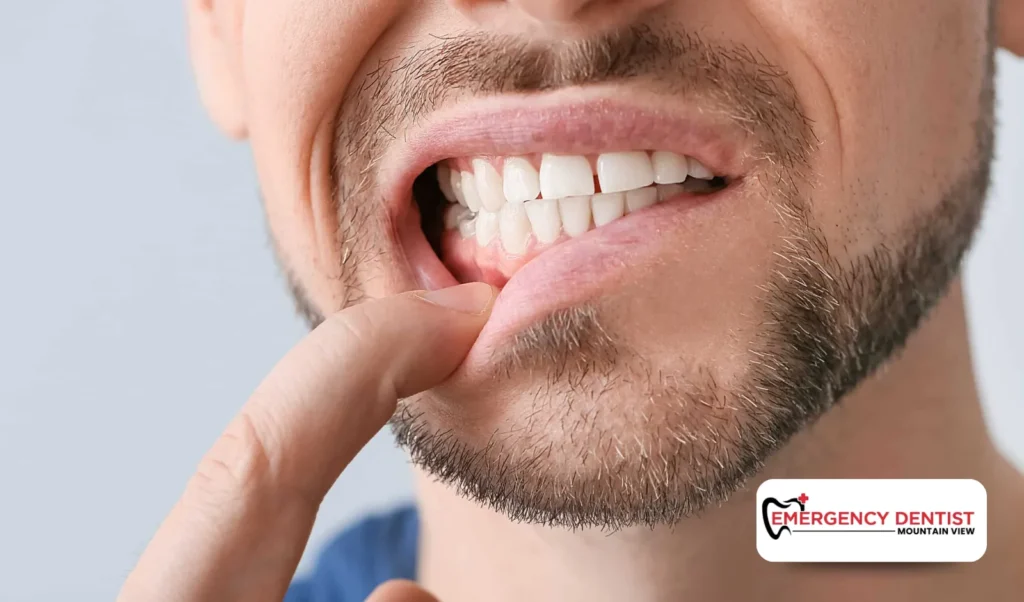
Before deciding which tooth pain medicine to take, it’s important to understand the cause. The most common reasons for dental pain include:
- Cavities or tooth decay
- Gum disease or gingivitis
- Cracked or broken teeth
- Wisdom tooth pain
- Abscess or bacterial infection
- Post–dental procedures such as extractions or root canals
Regardless of the source, proper pain management is essential to stay comfortable while addressing the underlying issue.
Top Over-the-Counter Tooth Pain Relief Medicines

When discomfort strikes, over-the-counter tooth pain relief medicine can provide quick and effective comfort. These options help with reducing pain and inflammation until professional care is available.
- Ibuprofen for Tooth Pain
Among all counter pain relievers, ibuprofen (sold as Advil for tooth pain) is one of the most recommended. It’s a nonsteroidal anti-inflammatory drug (NSAID) that reduces both pain and inflammation, making it ideal for swelling caused by gum irritation or trauma to the affected area.
How it works:
Ibuprofen blocks prostaglandins, chemicals in the body responsible for inflammation and pain signaling. It’s especially effective for toothaches caused by infection or injury.
Tip: Always take ibuprofen with food or water to minimize stomach irritation.
- Acetaminophen (Tylenol)
If NSAIDs cause side effects or can’t be taken, acetaminophen (Tylenol) is another reliable tooth pain medication. While it doesn’t directly reduce inflammation, it helps relieve discomfort by interrupting pain signaling in the brain.
Pro tip:
Some dentists suggest alternating acetaminophen and ibuprofen for better pain control, but consult your healthcare provider before combining them.
Prescription Tooth Pain Medication
If over-the-counter options aren’t enough, your dentist may prescribe stronger medicines for more severe pain or infection.
- Tramadol for Tooth Pain
Tramadol for tooth pain is an opioid-based prescription drug used to treat moderate to severe pain. It’s powerful but should be used with caution and only for short periods.
Possible side effects:
Drowsiness, nausea, and dizziness. Since it carries the risk of dependence, it should always be taken as directed by a professional.
- Steroid Anti-Inflammatory Drugs
In more serious cases, your dentist may prescribe steroid-based medications to control pain and inflammation, particularly after dental procedures such as extractions or root canals. These are stronger than regular NSAIDs and help with swelling due to infection or tissue trauma.
Natural Home Remedies for Toothaches
If you can’t get to a dentist immediately, several home remedies for toothaches offer temporary relief and help reduce pain naturally.
Salt Water Rinse
A salt water rinse is a simple yet powerful way to clean the mouth and reduce swelling. Salt acts as a natural antiseptic, helping remove debris and bacteria from the affected area.
How to use:
Mix half a teaspoon of salt in warm water, rinse your mouth for 30 seconds, and spit it out. Repeat as needed throughout the day to help disinfect and soothe irritation.
Ice Pack or Cold Compress
Applying a cold compress to the outside of your cheek helps numb the area and minimize swelling. Wrap ice cubes in a towel and apply for 15 minutes at a time, followed by short breaks. This method helps with inflammation and provides temporary relief from pain.
Clove Oil
Clove oil is a natural tooth pain remedy known for its numbing effect. It contains eugenol, an organic compound that helps with numbing the area and killing bacteria.
How to use:
Soak a cotton ball in a few drops of clove oil and place it gently on the affected area. This can temporarily relieve tooth pain and reduce discomfort caused by an infection.
Elevate Your Head
Keeping your head elevated while resting helps minimize blood flow to the affected area, reducing throbbing and pressure. This is especially useful when dealing with nighttime tooth pain.
What’s the Best Pain Reliever for Tooth Pain?
Here’s a quick summary of the best pain meds for tooth pain, depending on your symptoms:
Symptom | Best Medication | Notes |
Mild pain | Acetaminophen (Tylenol) | Works for general discomfort |
Inflammation or swelling | Ibuprofen (Advil) | Ideal for reducing inflammation |
Severe pain | Tramadol | Use only under dentist supervision |
Infection or post-procedure pain | Steroid anti-inflammatory drugs | Prescription only |
Temporary relief | Salt water rinse, clove oil, ice pack | Short-term comfort |
These tooth pain medicines are effective for symptom control but don’t cure the underlying dental problem.
When to See an Emergency Dentist in Mountain View
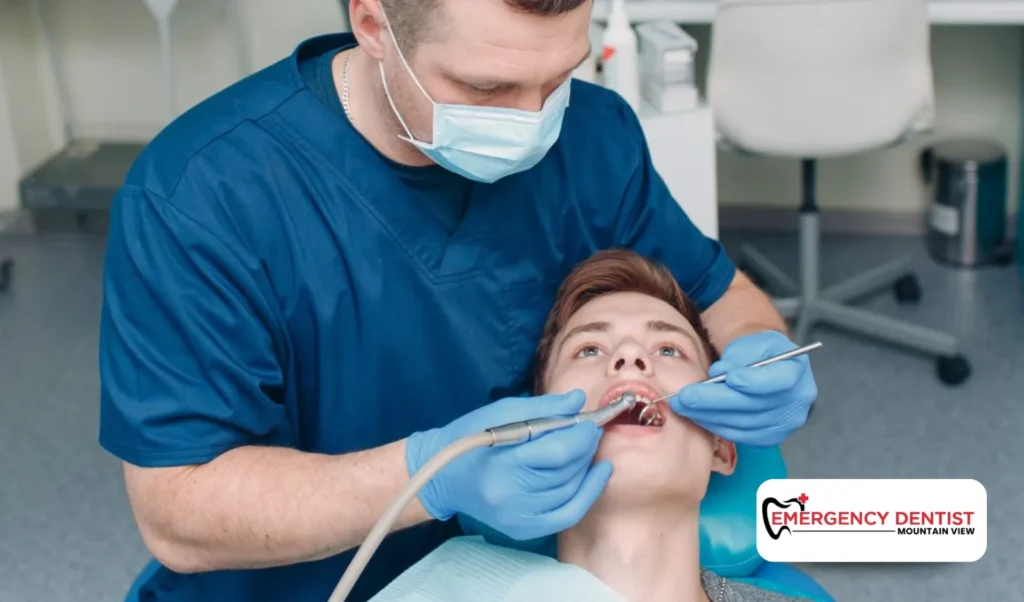
While tooth pain medicine can manage symptoms, persistent pain is a warning sign that something more serious is happening. If discomfort lasts for more than two days or is accompanied by fever, swelling, or difficulty swallowing, it’s time to schedule an appointment with an Emergency Dentist in Mountain View.
Your dentist may recommend:
- A root canal to remove infection
- A tooth extraction if the tooth is beyond saving
- Deep cleaning for gum disease or infection
These treatments target the root cause of pain, not just the symptoms.
Final Thoughts
Choosing what to take for tooth pain depends on the cause and severity of your discomfort. For most people, ibuprofen for tooth pain offers the best balance of pain relief and reducing inflammation.
However, medications only provide short-term comfort. For lasting relief, you’ll need professional treatment to address the underlying dental issue.
In the meantime, try a salt water rinse, clove oil, or an ice pack for temporary relief. But remember, only your dentist can fully treat the problem and ensure long-term oral health. If pain becomes unbearable, don’t delay, contact an Emergency Dentist in Mountain View for expert care.