

Tooth Pain After Dental Procedure: Why It Happens
Tooth pain after a dental procedure can be confusing and stressful, especially when you expect the treatment to fix the problem. Whether you’re dealing with tooth pain after tooth pulled, tooth pain after filling, filling tooth pain after a few days, or tooth pain after crown placement, it’s important to know what’s normal and what may need a dentist’s attention.
This guide breaks down the common causes of post-treatment discomfort, how long healing usually takes, and when to schedule a visit with an Emergency Dentist in Mountain View.
1. Tooth Pain After Tooth Pulled: Healing or Something More?
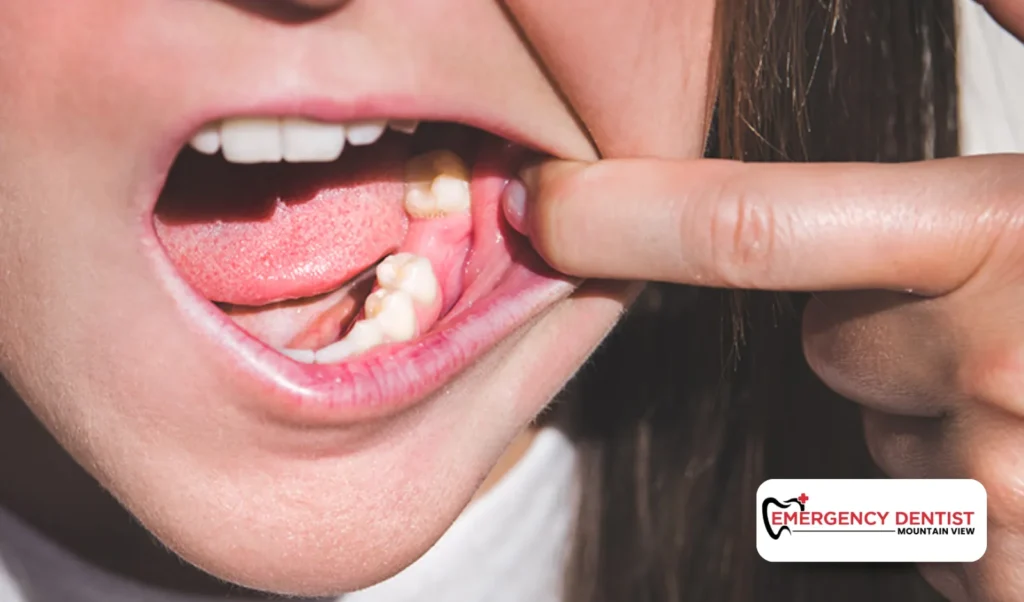
Feeling some soreness after tooth extractions is normal. Your mouth needs time to heal, especially around the extraction site, and mild discomfort during the first 24 hours is expected as part of the natural oral health recovery process.
Complications can occur if the protective blood clot becomes dislodged too early, leading to dry socket.
Warning signs of dry socket include:
- Pain that worsens 2–3 days after the extraction
- A bad smell or unpleasant taste
- Visible bone in the socket
- Pain spreading to the ear or jaw
To support healing, eat soft foods, avoid hot drinks, and stay away from straws or smoking on the first day. After 24 hours, rinse gently with warm salt water to reduce inflammation. If pain worsens or does not improve, schedule a consultation with your dentist.
2. Tooth Pain After Filling: Is It Normal?
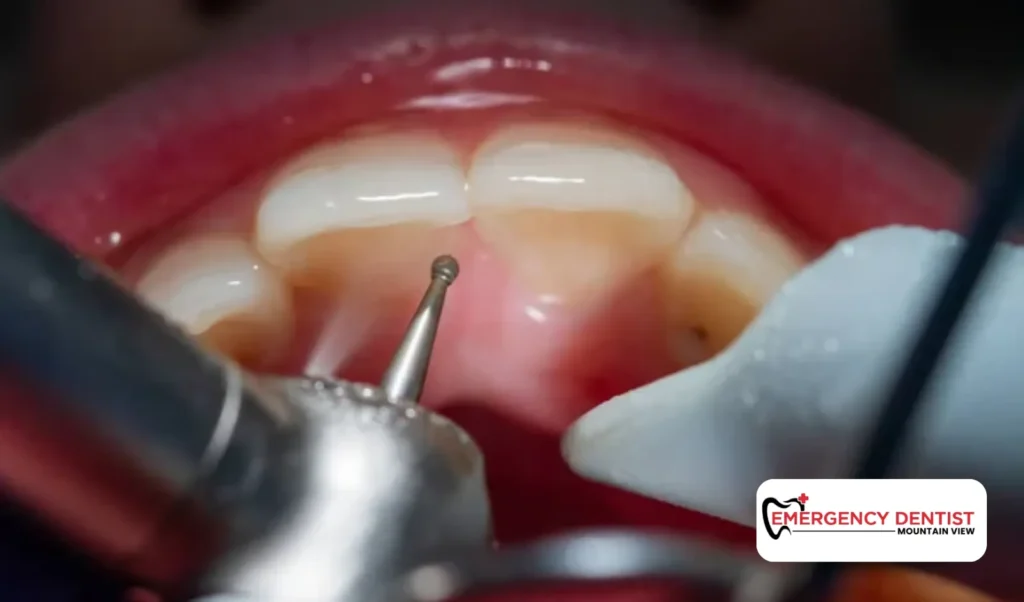
Many people experience tooth pain after filling procedures, especially when biting or eating something cold. The tooth may be adjusting to the new filling material, which can irritate the nerve for a short time. This usually improves within a few days.
But certain types of pain may signal a problem:
- Sharp pain when biting could mean the filling is too high.
- Lingering sensitivity may point to nerve irritation.
- Pain from sweet foods often suggests the filling is not sealed tightly.
- Deep decay close to the nerve may continue causing discomfort even after the dental filling is placed.
To help with sensitivity, try using a desensitizing toothpaste daily. If pain lasts longer than a few days or becomes severe, you may need an adjustment or additional treatment.
3. Filling Tooth Pain After Several Days: What Else Could Be Causing It?
Not all pain comes from the tooth that was treated. Sometimes discomfort is “referred,” meaning pain in one area is actually coming from another tooth.
Other possible reasons include:
- A filling that has loosened or cracked
- Pressure from clenching or grinding
- Irritation from composite resin bonded close to the nerve
- Signs of infection starting beneath the tooth
Continuing good dental care, like brushing gently, flossing daily, and staying away from very hot, crunchy, or sweet foods, can prevent irritation while the tooth adjusts. If pain persists, schedule a visit for a proper exam.
4. Tooth Pain After Crown: When Should You Worry?
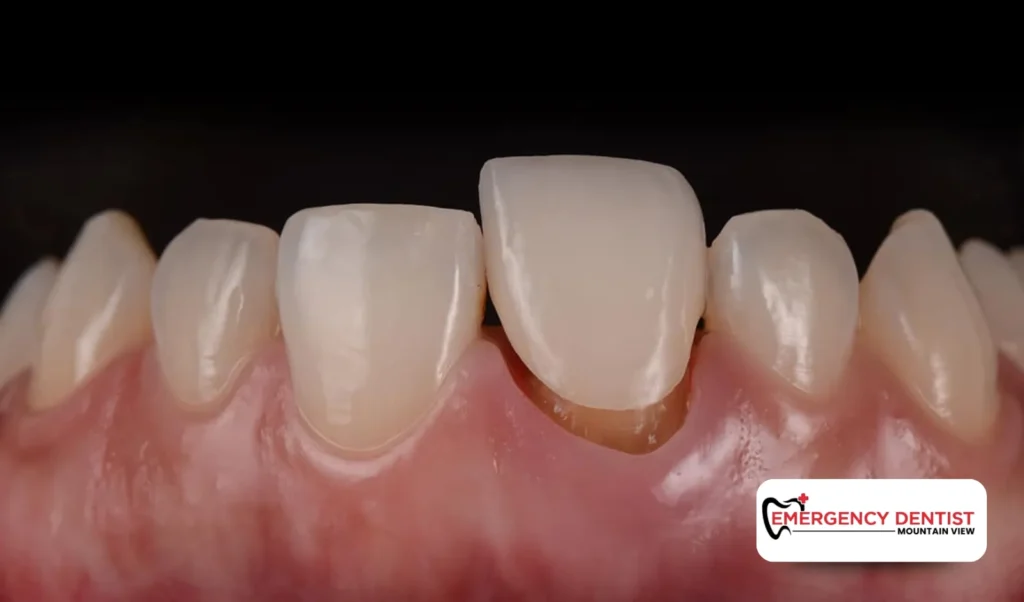
A dental crown is designed to protect the underlying tooth and restore normal chewing function. However, some patients may still experience tooth pain after crown placement, particularly when chewing or applying pressure.
Possible causes of this discomfort include:
- A crown that is positioned too high
- Margins that are not fully sealed, allowing bacteria to enter
- An underlying infection that the crown alone cannot resolve
- Excess pressure on adjacent teeth
You may experience tooth sensitivity, pain when biting, or discomfort when consuming hot or cold foods and beverages. It may help to follow a soft-food diet for a few days and avoid extreme temperatures. If the discomfort persists, a simple adjustment from your Mountain View dentist can typically correct the problem and restore comfort.
Simple At-Home Pain Relief Tips
Until you can see a dentist, a few simple steps can help manage discomfort and protect your oral health. These won’t resolve the underlying issue, but they can make the pain easier to handle while you wait for professional care.
- Take an approved pain reliever like ibuprofen to ease discomfort and reduce inflammation
- Apply a cold compress to your cheek for 10–15 minutes
- Use desensitizing toothpaste to calm nerve irritation
- Rinse gently with warm salt water two or three times a day
- Eat soft foods and avoid anything too hot, spicy, or acidic
- Stay hydrated, but skip soda or citrus drinks
These steps may offer short-term relief, but remember that home care is temporary. If pain persists or worsens, contact your dentist for proper evaluation and treatment.
When to Call an Emergency Dentist in Mountain View
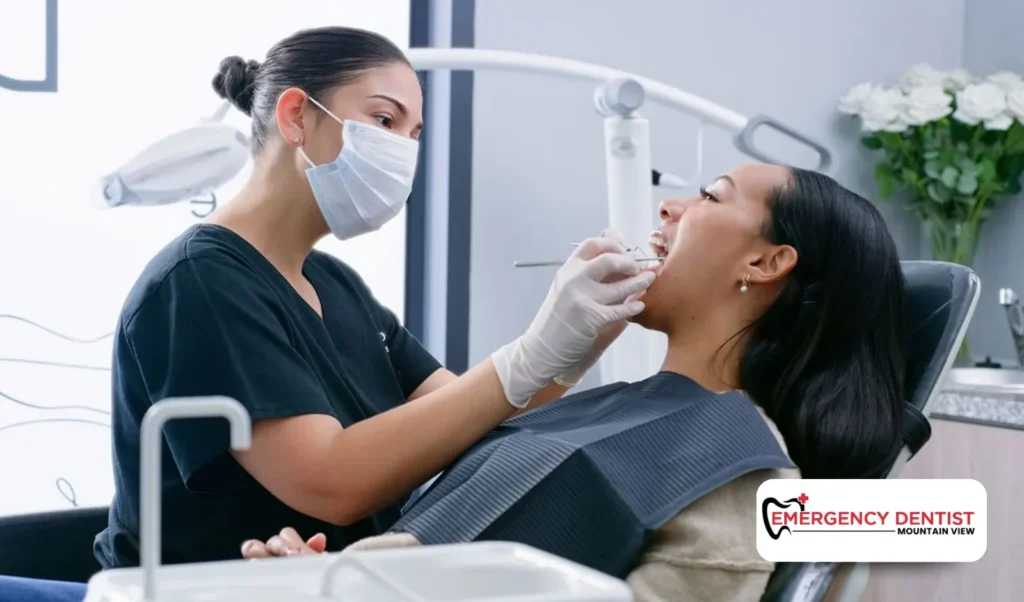
Seek prompt evaluation from a dental professional if:
- Pain lasts longer than 3–5 days
- You develop swelling, fever, or any sign of infection
- You notice discharge, bleeding, or a persistent foul taste
- You cannot chew, sleep, or focus due to discomfort
- Pain worsens instead of improving after the first few days
An Emergency Dentist in Mountain View can identify issues such as dry socket, nerve irritation, damaged restorations, or hidden decay. Whether the discomfort follows dental crowns, fillings, or tooth extractions, timely care helps protect your long-term oral health.