
Tooth Pain When Eating: What It Means and How to Fix It
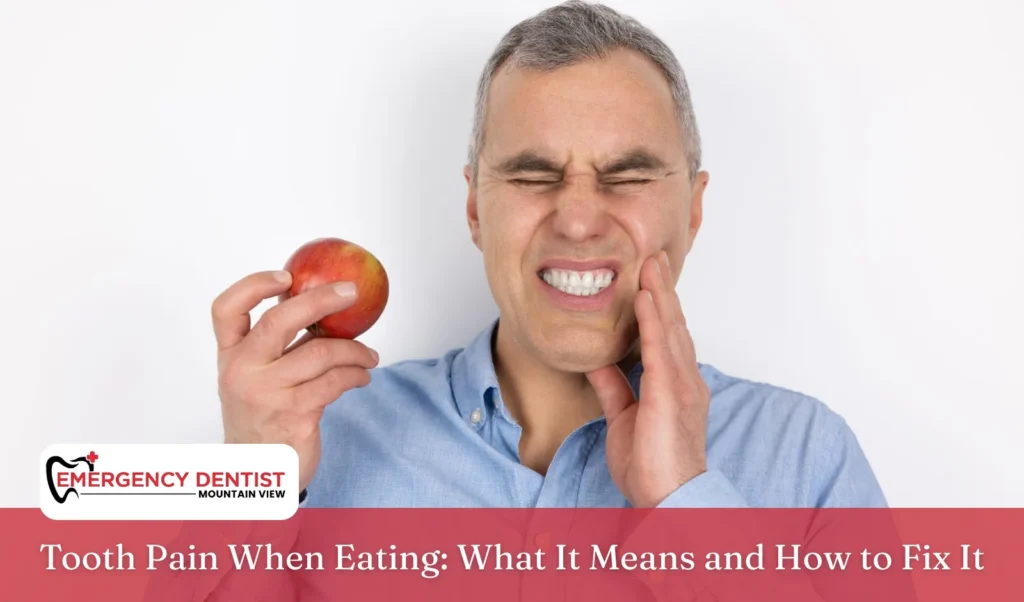
Tooth pain when chewing, biting, or even eating or drinking is more than a small annoyance. It’s often one of the earliest signs that something is wrong with your dental health.
Whether you feel a sharp pain when you bite down, your tooth hurts when you eat sweets, or sensitivity flares up with hot or cold foods, these symptoms shouldn’t be ignored. In this guide, you’ll learn the most common causes of tooth pain when eating, how it affects your oral health, what treatments may help, and when to contact an Emergency Dentist in Mountain View.
Why Your Tooth Hurts When Eating or Chewing
Tooth pain can show up in different ways, and each type of discomfort points to a possible problem.
Tooth Pain When Chewing
If you feel pain every time you chew, it may be caused by:
- A cracked tooth that exposes the inner layers
- Tooth decay that has reached sensitive areas
- A loose filling or crown that moves when pressure is applied
- An infection or abscess near the root
- A damaged tooth enamel surface that leads to sensitivity
This kind of pain often means the structure of your tooth is weakened or irritated.
Tooth Pain When Eating Sweets
Tooth pain when eating sweets, or even just touching sugary foods, often points to:
- Enamel wears that expose the dentin
- Cavities allowing sugar to reach sensitive nerves
- Gum recession, revealing more of the root
- Sensitive teeth reacting to sugar and acids
If you feel a quick, sharp pain every time you eat sweets, it’s usually a sign of enamel loss or developing decay.
Pain When Eating or Drinking Hot or Cold Foods
If you feel discomfort while eating or drinking something hot or cold, it may be caused by:
- Receding gums that uncover the root surface
- Eroded tooth enamel from acidic drinks or over-whitening
- Brushing too aggressively with a hard toothbrush
- Gum disease causing inflammation
- Plaque buildup irritating the tooth and gum line
These issues often lead to sensitivity that becomes worse over time.
Other Issues That Cause Tooth Pain While Eating
Some dental problems are harder to notice but still cause pain, including:
- Teeth grinding (bruxism), which wears down enamel
- Early gum disease that makes teeth more sensitive
- Microcracks that only hurt when pressure is applied
- Old dental work that’s become loose or worn down
How These Problems Affect Your Oral Health
Ignoring pain can lead to serious complications.
- A cracked tooth can break further or become infected.
- Enamel erosion leads to sensitivity and a higher risk of tooth decay.
- Gum recession exposes roots, increasing the chance of root decay.
- Untreated cavities can damage nerves and bone.
- Constant pain affects your ability to eat and chew properly.
Protecting your oral health early prevents major issues later.
When to Call an Emergency Dentist in Mountain View
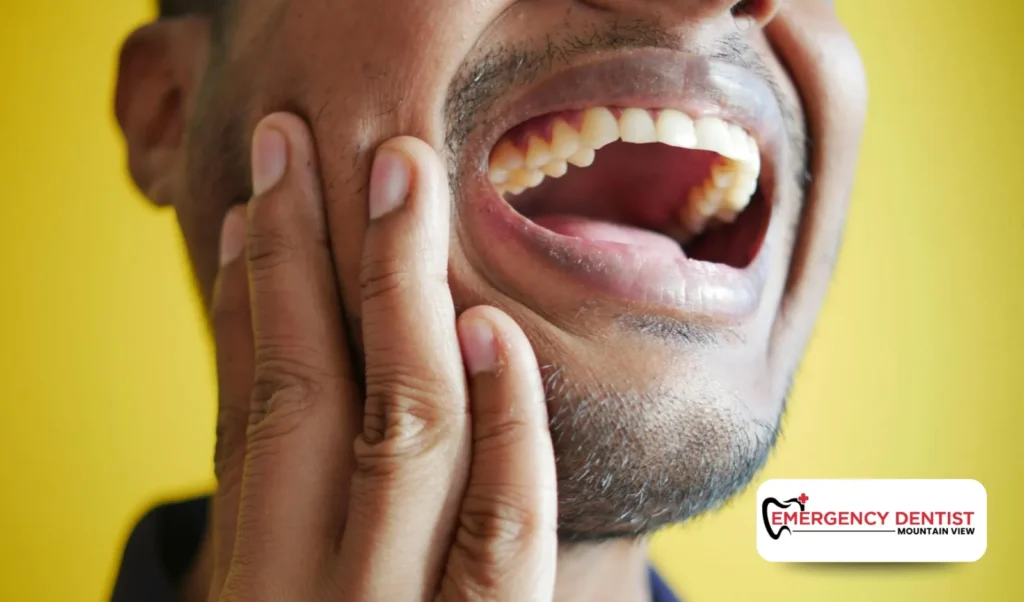
If you notice any of the following symptoms, seek urgent dental care:
- Persistent or sharp pain when chewing
- Swelling in your gums, jaw, or face
- A cracked, broken, or chipped tooth
- Bleeding or oozing around a tooth
- Pain that wakes you up at night
- Pain that makes it hard to eat, chew, or drink
An Emergency Dentist in Mountain View can examine your teeth and quickly treat the problem before it worsens.
How Dentists Diagnose Tooth Pain
During your visit, your dentist may:
- Check your gums and teeth for cracks, decay, or inflammation
- Take X-rays to look for hidden cavities or root issues
- Test sensitivity to find the exact source of pain
- Look for signs of teeth grinding or gum disease
These steps help your dentist understand what’s causing the discomfort.
Treatment Options for Tooth Pain When Eating
Depending on what’s causing your tooth hurt or sensitivity, your dentist may recommend one of these treatments:
- Fillings or crowns to repair decay or protect a cracked tooth
- Root canals to treat infections that reach the tooth root
- Tooth extraction if the tooth is too damaged to save
- Periodontal therapy to treat gum disease and prevent recession
- Bonding or desensitizing treatments to reduce sensitivity
- Gum grafts to fix gum recession and protect the roots
Your dentist will help determine which option is best for your dental health.
Temporary Relief You Can Try at Home
While these are not long-term solutions, you can manage discomfort until your appointment by:
- Rinsing with warm saltwater
- Taking ibuprofen or acetaminophen
- Avoiding hot, cold, or sugary foods
- Switching to desensitizing toothpaste
- Using a soft-bristled toothbrush
- Avoiding hard or sticky foods
- Avoiding sweets if they trigger pain
These methods help decrease irritation but don’t fix the underlying issue.
How to Prevent Tooth Pain in the Future
Good daily habits can reduce sensitivity and protect enamel:
- Brush gently with fluoride toothpaste
- Avoid sugary foods and acidic drinks
- Use a soft-bristled toothbrush
- Wear a night guard if you grind your teeth
- Get regular cleanings and checkups
- Ask your dentist about safe whitening options
- Maintain proper oral hygiene to prevent gum disease
Small daily steps make a big difference in protecting your teeth.
Don’t Ignore Tooth Pain While Eating, Get Help Fast
If you have tooth pain when chewing, tooth pain when eating sweets, or sensitivity while eating or drinking, it usually means there’s an underlying problem, whether it’s a cracked tooth, tooth decay, gum recession, or enamel erosion. Getting help quickly from an Emergency Dentist in Mountain View ensures your oral health stays protected and prevents the issue from turning into something more serious.
Your smile deserves proper care, and early treatment is the best way to keep it strong and pain-free.