
How Much Are Dental Implants: Simple Cost Guide
Dental implants are among the most advanced and dependable ways to replace missing teeth. They not only restore your smile but also help preserve your oral health by maintaining the jawbone and supporting your natural facial structure.
If you’ve been wondering how much are dental implants, how much do dental implants cost, or how much is a dental implant, it’s important to understand that the total cost depends on multiple factors. While dental implants may seem like a major investment, they are a cost-effective and long-term solution for both function and aesthetics.
In this guide, you’ll learn what affects dental implant pricing, the steps involved in the dental implant procedure, and what to consider when selecting the best treatment plan for your smile.
Understanding the Value of Dental Implants
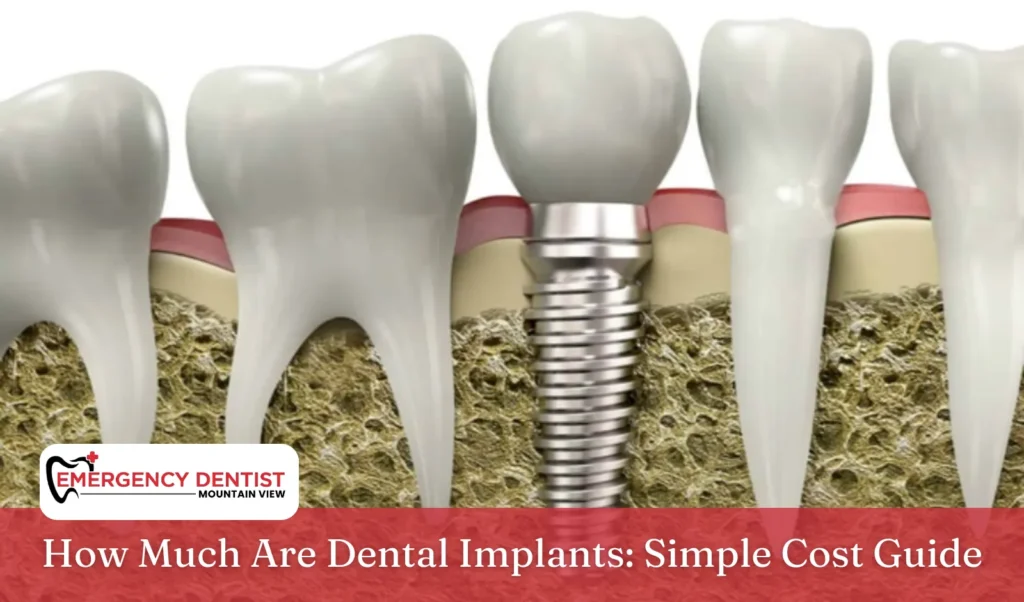
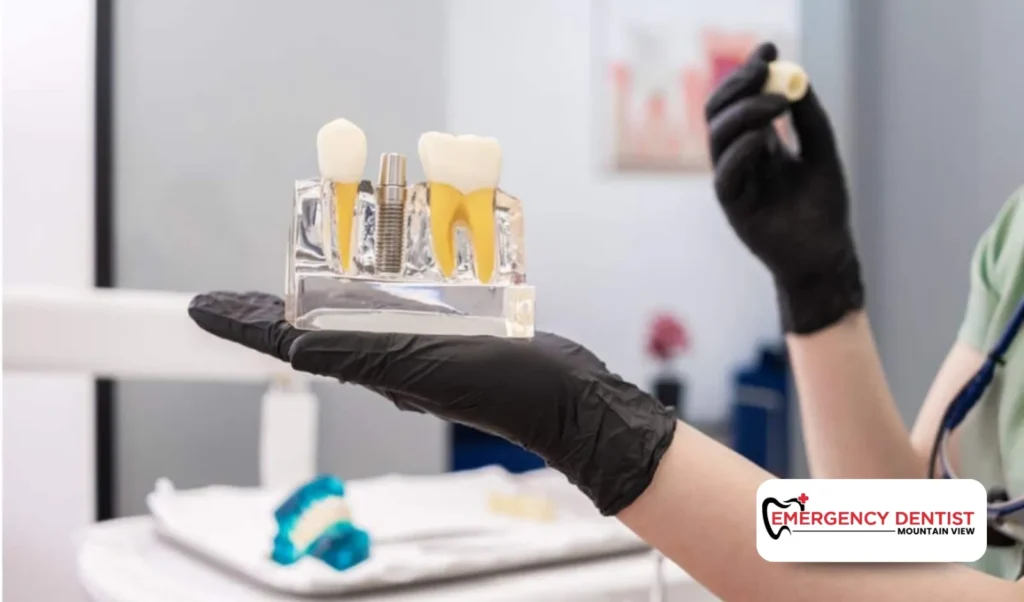
A tooth implant serves as an artificial tooth root, typically made of titanium, that supports a custom crown. Compared to dental bridges or traditional dentures, implants are more durable, comfortable, and natural-looking. They help restore proper chewing function while protecting your jawbone from deterioration.
Dental implants include three essential parts:
- Implant post – a titanium screw that replaces the tooth root.
- Abutment – a small connector that attaches the post to the crown.
- Crown – the visible part of the tooth that restores appearance and function.
With regular dental care, implants can last for decades, making them an excellent investment for anyone who values long-term comfort, durability, and oral health.
What Affects the Cost of Dental Implants?
Several factors influence how much dental implants cost, including:
- Type of implant: The materials and design of the type of implant selected can affect cost and healing time.
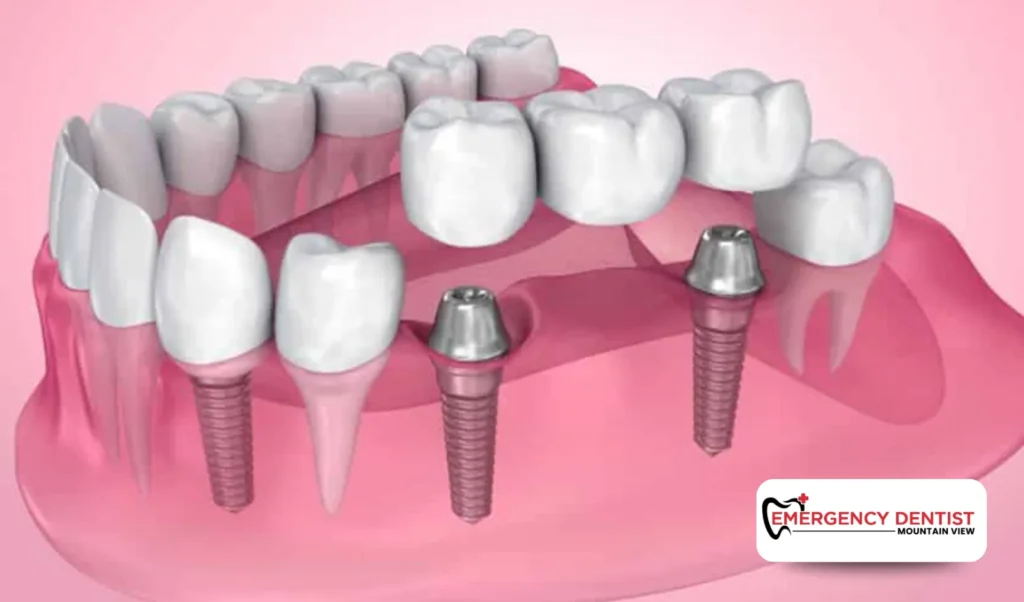
- Number of implants: Replacing one tooth will cost less than restoring multiple teeth or a full set using an implant supported denture.
- Additional procedures: In some cases, bone grafting, sinus lift, or tooth extraction is needed before implant placement.
- Complexity of implant surgery: Patients with bone loss or multiple implants may require advanced care from an experienced oral surgeon.
- Restorative materials: The cost also depends on the materials used for the crown, abutment, or denture.
Because each case is unique, your dentist will provide a detailed treatment plan tailored to your oral health, needs, and goals.
Step-by-Step Dental Implant Procedure
The dental implant procedure is performed in several phases over a few months to ensure successful healing and stability.
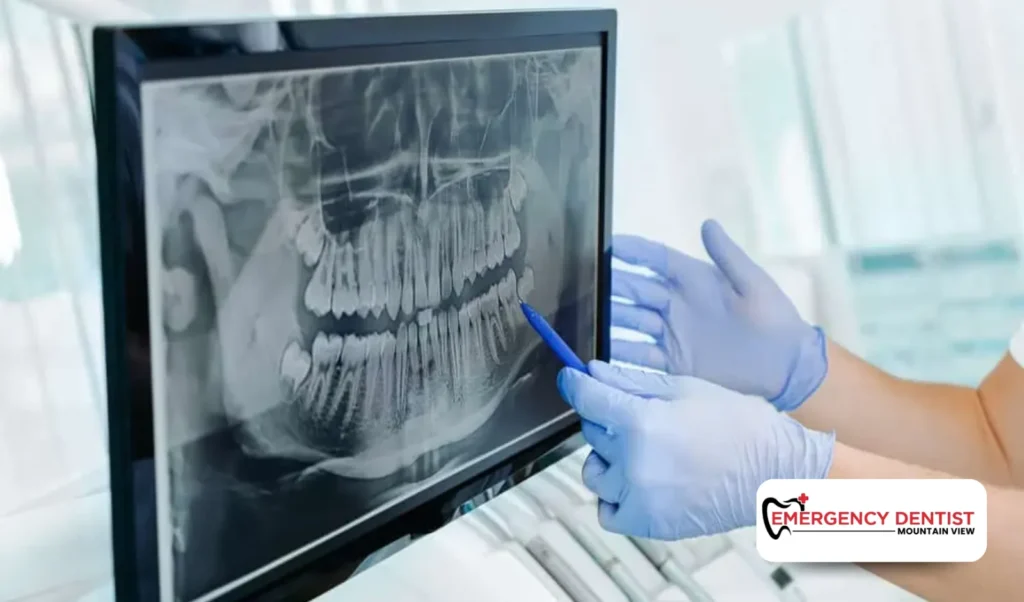
- Consultation: Your dentist or oral surgeon evaluates your mouth, takes X-rays, and determines the most suitable implant options.
- Preparation: If necessary, bone grafting or tooth extraction strengthens the jawbone before implant placement.
- Implant surgery: The titanium post is placed into the jawbone under local anesthesia, ensuring a safe and comfortable procedure.
- Healing and osseointegration: Over the next few months, the bone naturally fuses with the implant, forming a strong foundation.
- Crown attachment: Once healed, a custom crown or bridge is securely placed to complete your restoration.
This methodical process provides precision, strength, and a natural look-while maintaining a high success rate.
When Bone Grafting or Sinus Lift Is Needed
Not every patient has enough bone density to support a dental implant right away. When this happens, bone grafting may be needed to rebuild and strengthen the jawbone. During this procedure, bone material is added to the weak area to create a strong base for future implant placement. Over time, the new bone fuses with your natural bone, making it sturdy enough to hold the implant post securely.
For patients getting implants in the upper jaw, a sinus lift may also be required if the sinus cavity is too close to the implant site. This treatment carefully raises the sinus floor and adds bone material, creating enough space for proper implant support. Although these extra steps may extend your overall dental implant procedure, they are important for building a stable foundation, improving long-term strength, and ensuring the success rate of your implant treatment stays high.
Comparing Implant Options and Alternatives
The right implant option depends on your specific needs and goals. Common choices include:
- Single tooth implant: Best for replacing one missing tooth.
- Multiple implants: Used when several teeth in a row are missing.
- Implant supported denture: Provides a secure, stable alternative to removable dentures.
Unlike bridges or dentures, dental implants do not rely on neighboring teeth for support and help maintain bone health. While the initial investment may seem higher, implants are more cost effective long term because they rarely need replacement or adjustment.
Financing Options and Dental Insurance Coverage
Understanding your financing options and dental insurance plan can make treatment more affordable. While not all insurance providers fully cover dental implants, some plans help with parts of the process, such as tooth extraction, bone grafting, or the crown.
Many dental offices also provide flexible payment plans or in-house financing options, allowing patients to pay over time. Before beginning treatment, it’s important to review what your insurance covers and discuss payment arrangements with your provider.
At Emergency Dentist in Mountain View, patients have access to customized payment and financing options, making quality implant care attainable and stress-free.
Implant Success Rate and Aftercare
Dental implants are known for their high success rate, especially when performed by a qualified oral surgeon. To ensure lasting results, follow your dentist’s aftercare recommendations:
- Brush and floss daily to maintain excellent oral health.
- Schedule regular cleanings and dental checkups.
- Avoid smoking, which can interfere with healing.
- Eat nutritious foods to support recovery and bone health.
Proper care helps your tooth implant remain strong and functional for many years.
Choosing the Right Dental Office for Implants
Selecting the right dental office is key to achieving the best outcome. Choose a clinic that specializes in implant dentistry, uses modern imaging for accurate implant placement, and employs skilled professionals who prioritize your comfort and safety.
If you’re in Mountain View, the experienced team at Emergency Dentist in Mountain View offers complete implant care, from initial consultation to recovery. Their advanced technology and personalized approach ensure precision, comfort, and lasting results.
Restoring Your Smile with Confidence
Investing in dental implants is more than just replacing missing teeth, it’s about regaining confidence, improving your bite, and supporting lifelong oral health.
If you’re considering implant surgery or exploring financing options, contact an Emergency Dentist in Mountain View for a consultation. Their caring team will assess your needs and create a personalized plan that fits your goals and budget.
A healthy, beautiful smile is within reach, and dental implants remain one of the most reliable, long-term solutions to achieve it.