
Small Chipped Tooth No Pain? Why You Should Act Quickly
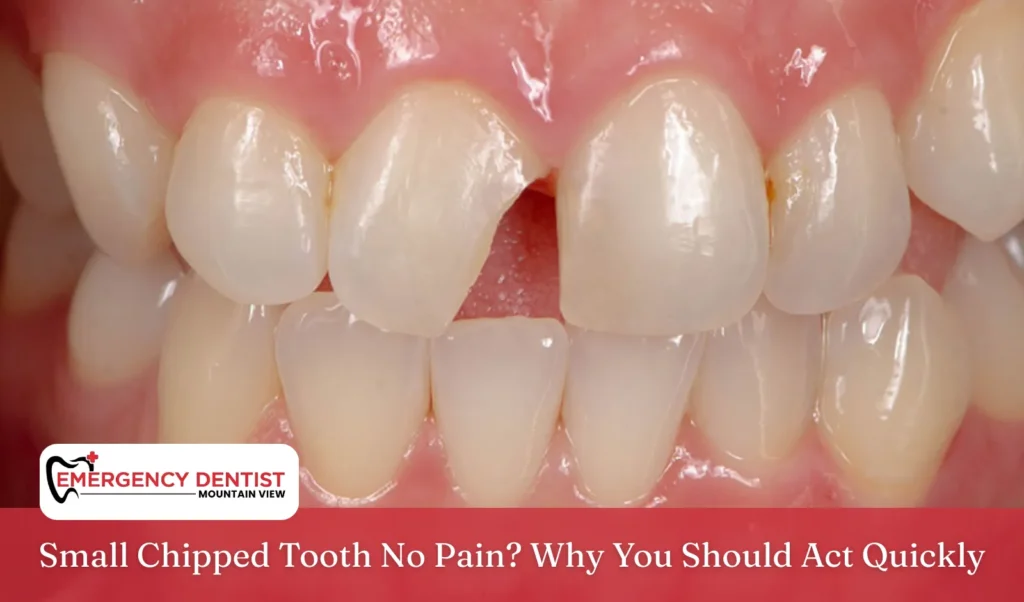
Noticing a small chip in the tooth no pain might not seem like an emergency. You can still talk, eat, and smile normally, so it feels harmless. However, even a small chipped tooth can weaken your tooth structure and gradually lead to bigger dental issues. A chip or crack in your tooth, even without pain, can create sharp edges, allow bacteria to enter, and eventually cause infection, sensitivity, or even a need for a root canal.
If you live in or around Mountain View, visiting an Emergency Dentist in Mountain View can help you protect your teeth, prevent further damage, and restore the health and appearance of your smile before problems grow worse.
Why You Shouldn’t Ignore a Small Chipped Tooth
Tooth enamel is strong, but constant use, grinding your teeth, or biting into something hard can cause a crack or chip. You may feel nothing at first because the enamel has no nerves. But once the tooth structure becomes damaged, it becomes weaker, making it easier for cracks to deepen. Eventually, your tooth may become sensitive to hot or cold drinks, feel rough due to a jagged edge, or worse, break further and expose the inner layers.
When the part of the tooth chipped off no pain scenario happens, it might mean the damage hasn’t yet reached the nerve. But over time, the crack can expand and allow bacteria to reach the pulp, causing infection or extreme pain, possibly requiring a root canal.
Common Causes of Chipped Teeth
Several everyday habits or conditions can lead to chipped teeth or a chipped tooth without pain:
- Teeth grinding (bruxism) – Puts constant pressure on your teeth, making them more likely to chip or crack.
- Biting hard foods – Ice, hard candy, or even crusty bread can cause a chip or crack.
- Accidents or falls – Physical trauma can cause cracked teeth or broken enamel.
- Aging or wear and tear – Teeth naturally become weaker with time.
- Failed dental restorations – Worn fillings or crowns can expose vulnerable portions of the tooth.
Even if these chips seem minor, they compromise your tooth’s protective layer and increase the risk of infection, sensitivity, and further damage.
Risks of Ignoring a Small Chip
A tooth without pain today can become a painful dental problem tomorrow. Leaving a chipped tooth untreated can lead to:
- Tooth decay near the damaged area
- Infection inside or around the tooth
- Sharp edges that irritate your tongue or cheeks
- Increased sensitivity to hot or cold foods and drinks
- Deep cracks or fractures that lead to tooth loss
- Nerve exposure requiring a root canal
Once the crack spreads to the inner layers, you may feel severe sensitivity or pain, especially when consuming hot or cold foods.
How to Protect Your Teeth Before Seeing a Dentist

While waiting for your dental appointment, you can prevent further damage to the affected tooth:
- Avoid chewing on the chipped side
- Stick to soft foods
- Rinse with warm salt water to keep it clean
- Cover any sharp edges with dental wax or sugar-free gum
- Brush and floss carefully around the damaged area
- Schedule a visit with an Emergency Dentist in Mountain View
Taking quick precautions helps protect your teeth from further cracking, infection, or sensitivity.
Common Treatment Options for a Small Chipped Tooth
Depending on the severity of the chip or crack, your dentist may suggest one of the following common treatment options:
- Dental Bonding
Best for minor chips, dental bonding uses tooth colored resin to reshape and strengthen the tooth. It’s a quick, painless solution and blends naturally with your enamel.
- Dental Crown
If the chip is larger or compromises the tooth structure, a dental crown covers the entire tooth to protect it from breaking further.
If the crack reaches the pulp and causes infection or inflammation, a root canal may be needed to remove the infected tissue and save the tooth.
- Dental Implant
In severe cases where the tooth cannot be saved, removal followed by a dental implant can restore both appearance and function.
When to See an Emergency Dentist in Mountain View
Even if you don’t feel pain, seeking help from an Emergency Dentist in Mountain View is essential. They can assess the crack or chip, repair it before it worsens, and help you protect your teeth. Timely treatment reduces the risk of needing more complex and costly procedures later, such as crowns, implants, or root canals.
Don’t Wait for Pain to Take Action
A small chipped tooth no pain may not bother you now, but it’s still a sign of damage. Your enamel is meant to protect your teeth. Once it’s chipped, bacteria, plaque, and food particles can easily get trapped in the damaged area, leading to decay or infection. Early treatment using dental bonding or other solutions can protect your smile, strengthen your teeth, and prevent complications.
If you notice any rough, uneven, or jagged edges, or if your tooth feels sensitive to hot or cold, don’t ignore it. Contact an Emergency Dentist in Mountain View to restore your tooth, prevent further damage, and preserve your long-term oral health.
Frequently Asked Questions
Is a small chipped tooth with no pain still a dental problem?
Yes. Even without pain, a chipped tooth can expose the inner layers and lead to decay, infection, or sensitivity later.
Can a chipped tooth cause sensitivity to hot or cold foods?
Yes. As the crack deepens or enamel wears away, the tooth can become sensitive to hot or cold temperatures.
What is the best treatment for a small chipped tooth?
Dental bonding is a common treatment for small chips, using tooth-colored resin to restore appearance and protect the tooth.