

How Long Do Dental Implants Last? Essential Care Guide
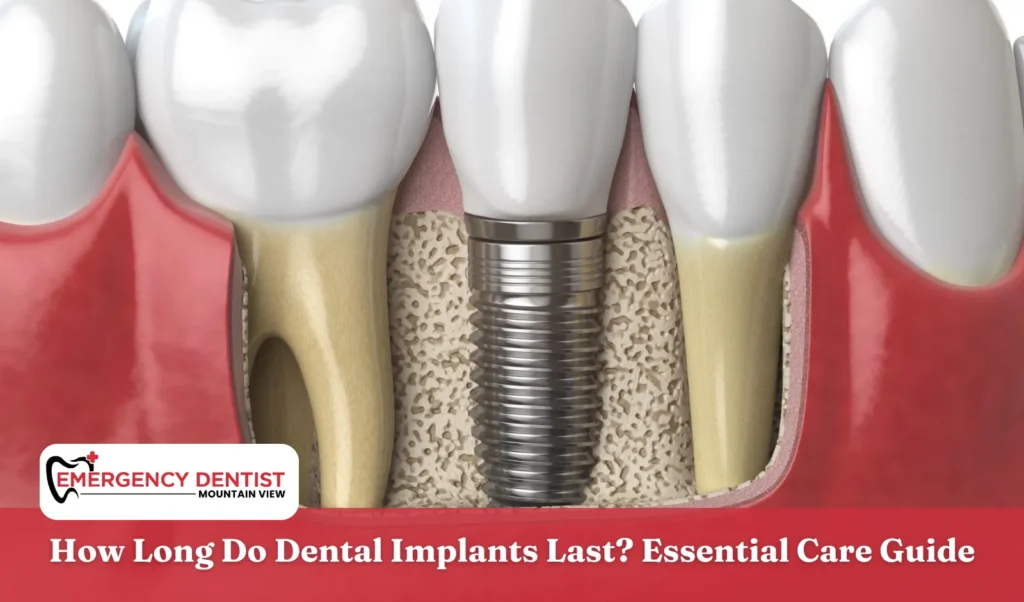
Dental implants are considered one of the most dependable and long-lasting options for replacing missing teeth. Still, many people ask, how long do dental implants last? The answer depends on several factors that affect implant longevity, including oral hygiene, gum health, medical conditions, and how well you care for your implant over time. Understanding these key elements can help protect your implant and keep your smile healthy for years.
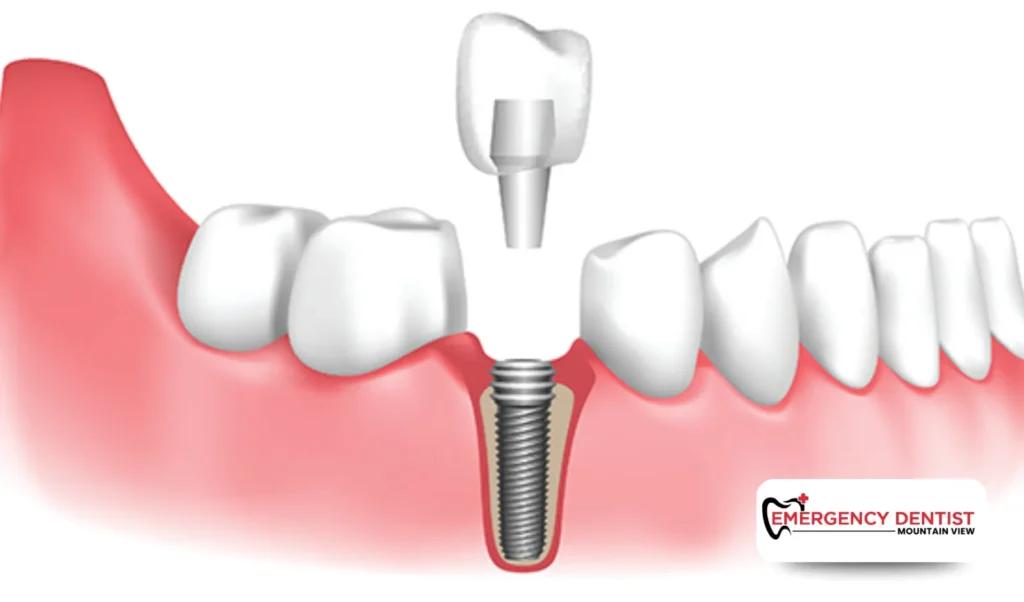
What Are Dental Implants?
A dental implant is designed to look and work like a natural tooth. It includes a titanium post that is placed in the jawbone during dental implant surgery, which acts as an artificial tooth root. After the healing process, a custom-made crown is attached, allowing you to chew, speak, and smile with ease.
Unlike dental bridges, implants don’t depend on nearby natural teeth for support. Instead, they are anchored directly into the jawbone, offering strength and stability. The dental implant procedure includes planning, placement, healing, and regular dental checkups to ensure long-term success.
How Long Does a Dental Implant Last?
So, how long does a dental implant last? With proper care, a dental implant can last 15 years or even longer. In many cases, implants may last a lifetime when supported by strong gums, healthy bones, and good dental hygiene. While the titanium post can remain durable, the crown may experience wear and tear over time, similar to natural teeth.
However, how long will a dental implant last largely depends on how well you maintain it. Good oral hygiene, protecting your gum health, and avoiding harmful habits can significantly extend the lifespan of your implant.
Factors That Affect Implant Longevity
Several factors that affect how long dental implants last include:
- Oral Hygiene and Gum Health
Poor oral hygiene can lead to gum disease, which can damage the tissues supporting your implant. Keeping your gums healthy is essential for long-lasting results.
- Medical Conditions
Certain medical conditions, such as diabetes or autoimmune disorders, may slow your body’s healing process, increasing the risk of dental implant failure.
- Wear and Tear
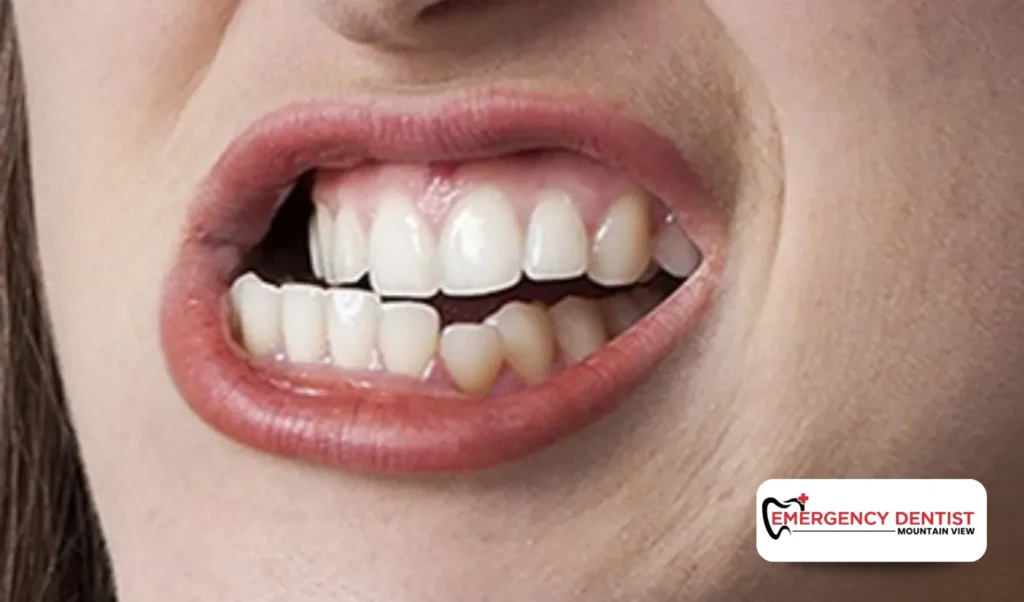
Daily habits like grinding your teeth, chewing on ice, or opening packages with your teeth can cause wear and tear, which may damage the implant crown.
- Proper Care and Lifestyle Choices
Brushing, flossing, and regular dental checkups, along with avoiding tobacco, are key to protecting your implant and supporting good oral health.
Preventing Dental Implant Failure
Dental implant failure can occur when the implant does not bond well with the bone or when gum disease affects surrounding tissues. Following your dentist’s instructions and protecting your gum health can help prevent these issues.
If you live in Mountain View and notice persistent redness, swelling, or discomfort around your implant, an Emergency Dentist in Mountain View can evaluate the issue and provide the appropriate care.
Caring for Your Implant Like a Natural Tooth
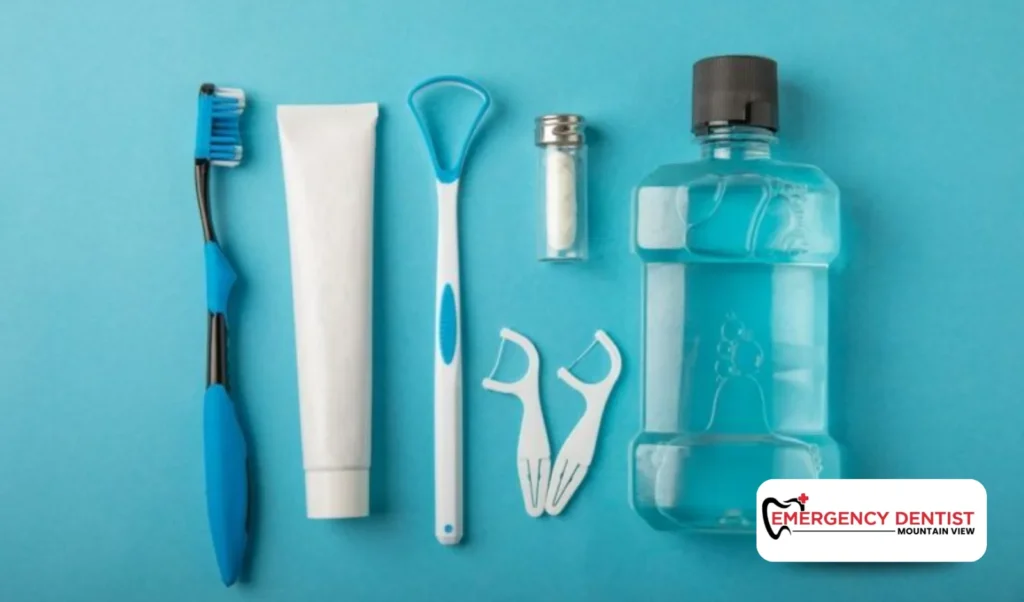
Even though implants are artificial, they require the same care as a natural tooth, which includes:
- Brushing twice daily
- Flossing to remove plaque
- Using antibacterial mouthwash
- Wearing a mouthguard for protection
- Keeping up with regular dental checkups
These habits help protect your implant, support gum health, and maintain overall oral hygiene.
When to Contact a Dental Professional
If your implant feels loose, painful when chewing, or you notice bleeding or swelling around the gumline, it may indicate gum disease or possible dental implant failure. Early treatment from an Emergency Dentist in Mountain View can help prevent further complications.
Conclusion
So, how long do dental implants last? With proper care, strong gum health, and consistent oral hygiene, dental implants can last 15 years or even longer, and in many cases, they may last a lifetime. While no treatment is completely maintenance-free, implants are among the most durable, natural-looking, and effective solutions for tooth loss, offering both stability and long-term protection.
By taking care of your gums, protecting your implant from wear and tear, and attending regular dental checkups, you can enjoy lasting comfort, function, and confidence in your smile. Avoiding habits like teeth grinding, chewing on hard objects, or using your teeth as tools also helps extend the lifespan of your implant. Treat your implant like a natural tooth, and it will continue to support your oral health and smile for many years to come.