
Ease Root Canal Pain Remedy:
Simple Relief Tips That Work

Undergoing a root canal procedure is one of the most effective dental procedures used to save a tooth with infected pulp and stop severe tooth pain. Although the goal is to provide pain relief, it’s normal to feel some discomfort afterward. The good news is, there are easy and safe ways to ease root canal pain at home while helping your mouth heal properly. Knowing the right root canal pain remedy, what to avoid, and when to contact an Emergency Dentist in Mountain View can make your recovery smoother and more comfortable.
Why You May Feel Pain After Root Canal Treatment
Feeling mild to moderate discomfort after a root canal treatment is part of the natural healing process. During the procedure, the dentist or endodontist removes the infected tissue and seals the tooth. Because the surrounding tissues may become irritated, you might feel any pain or soreness for a few days. Inflammation or sensitivity to hot or cold foods is also common.
The pain doesn’t mean something is wrong. It’s simply your body responding to the treatment. Proper pain management, oral hygiene, and rest help speed up recovery.

Top Remedies to Ease Root Canal Pain
Here are effective ways to support healing and reduce discomfort:
- Rinse With Warm Water and Salt
A gentle rinse of warm water mixed with a teaspoon of salt is an excellent natural pain reliever. It helps reduce swelling, cleans the treated area, and supports healing. Use this rinse two to three times a day for best results.
- Use Cold Compresses for Swelling
Applying cold compresses to the cheek near the treated tooth helps reduce inflammation and numb the area. Use a soft cloth-wrapped ice pack for about 15–20 minutes. This pain relief method is especially helpful during the first 48 hours.
- Take Counter Pain Relievers
Over-the-counter pain medication like ibuprofen or acetaminophen is often recommended to ease root canal pain. These counter pain relievers reduce swelling and help manage discomfort. Always follow the instructions and talk to your dentist if pain lasts longer than expected.
- Brush Gently With a Soft-Bristled Toothbrush
To protect the treated tooth from irritation, switch to a soft-bristled brush. It keeps the tooth clean without causing sensitivity or strain on the healing area.
- Maintain Good Oral Hygiene
Keeping your mouth clean is one of the best ways to prevent infection and help your tooth heal. Brush and floss gently, avoiding direct pressure on the treated tooth. Good oral care supports long-term healing and comfort.
What to Avoid After a Root Canal
To prevent worsening discomfort or slowing recovery, avoid the following:
- Don’t chew on the treated tooth too soon
- Stay away from hard, sticky, or crunchy foods
- Avoid extremely hot or cold food and drinks
- Don’t skip brushing, but be gentle near the treated area
When to Contact an Emergency Dentist in Mountain View
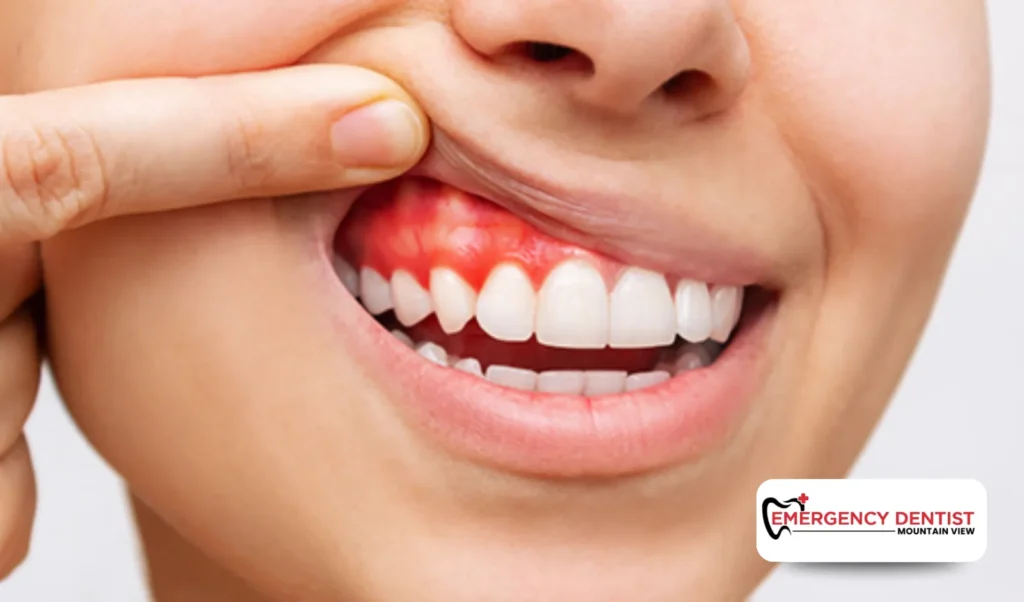
While temporary soreness is normal, not all pain should be ignored. You should contact an Emergency Dentist in Mountain View if you notice:
- Strong or worsening pain
- Pain when biting or chewing
- Swelling that persists
- Fever or signs of infection
- Sensitivity to pressure or temperature that doesn’t improve
These could indicate a complication, such as a missed canal or infection, and may need further treatment.
Final Thoughts
Mild pain after a root canal procedure is common, but with the right care, it can be managed easily. Using warm water rinses, cold compresses, gentle brushing, and proper pain medication are simple ways to get relief. Following your dentist’s advice and practicing good oral hygiene ensures faster healing and better pain management.
If pain increases, lasts more than a few days, or becomes severe, it’s time to talk to an Emergency Dentist in Mountain View. Getting timely help ensures lasting comfort, healing, and protection for your tooth.
Your smile is worth protecting, and with proper care, recovery after a root canal can be smooth, comfortable, and worry-free.