

How Long Does a Root Canal Take?
Your Quick Time Guide

Root canal therapy is a common dental procedure used to save a natural tooth that has been damaged by decay, trauma, or infection. Many people wonder how long does a root canal takes or how long the overall healing process lasts. The answer varies, but understanding the procedure helps reduce anxiety and prepares you for what to expect. If you’re dealing with severe tooth pain, getting timely care is important for protecting your oral health.
Why Root Canal Treatment Is Needed
A root canal becomes necessary when the dental pulp, the soft inner tissue that contains nerves, blood vessels, and connective tissue, becomes infected or inflamed. The dental pulp can’t heal itself once bacteria reach this area. Untreated cavities, cracks, trauma, or repeated dental work can all lead to an infected pulp.
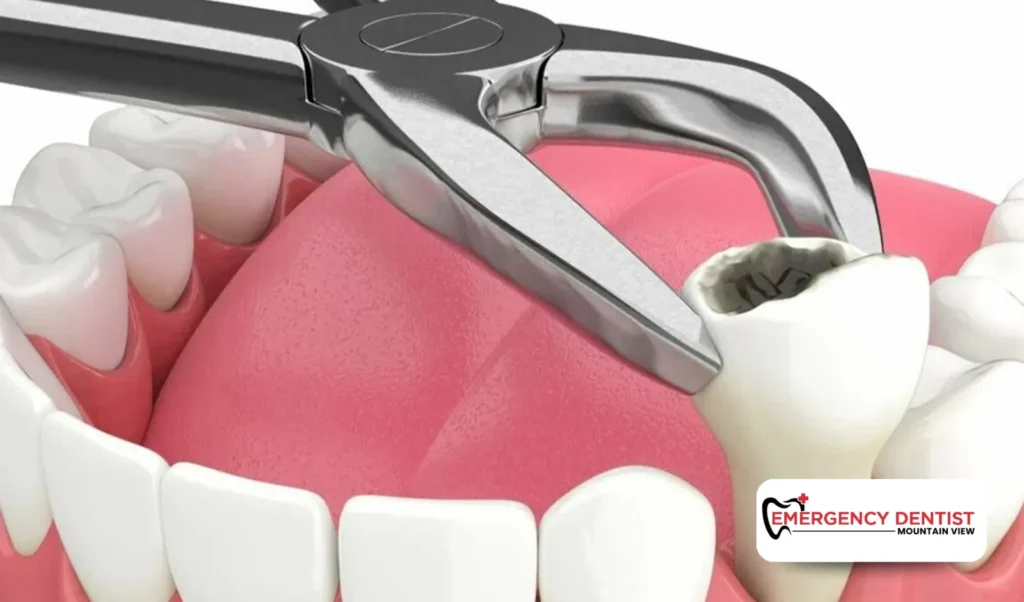
When the infection spreads inside the tooth, it can create intense tooth pain, swelling, and even bone loss. Without proper care, the infection may worsen, sometimes resulting in an abscess or the need to extract the tooth. Root canal treatment removes the damaged tissue, stops the infection, and helps save your natural tooth before the problem becomes more serious.
How Long Does a Root Canal Take?
Most patients ask, “How long does a root canal take?” or “How long does a root canal procedure take?” On average, the procedure lasts around 90 minutes. Simple cases involving front teeth, such as incisors and canines, usually take less time because these teeth normally have just one canal.
Molars, however, may have three or more canals. Because of their structure, treating them can take longer or even require two appointments. The complexity of the infection, the shape of the canals, and whether the provider is a general dentist or endodontist also affect how long the visit will last.
Other variations of this question, such as how long does it take for a root canal, how long does it take to do a root canal, or how long does a root canal take to heal, all come down to the condition of the tooth, the severity of the infection, and how your body responds during root canal recovery.
Step-by-Step Root Canal Procedure
Here’s a simple breakdown of what typically happens during a root canal procedure:
1. Numbing the Area
Your dentist or endodontist starts the appointment with local anesthesia. This numbs the area around the tooth so you can stay comfortable throughout the treatment. Patients usually feel pressure but no pain once the tooth is numb.
2. Creating an Opening
A small opening is made in the top of the tooth. This gives the provider access to the infected pulp and the root canals.
3. Cleaning and Shaping the Canals
The infected pulp is removed using precise instruments. The dentist cleans the canals thoroughly to remove bacteria and any remaining tissue. The canals are then shaped so they can be filled properly.
4. Filling the Canals
Once clean and dry, the space inside the tooth is filled with a biocompatible material that seals it from future infection.
5. Temporary Filling or Crown
A temporary filling is usually placed to close the opening until a permanent restoration can be added. Most teeth that undergo root canal therapy eventually need a dental crown to strengthen the structure and protect it during biting or chewing.
How Long Does a Root Canal Take to Heal?
Another common question is how long root canal recovery lasts. Most patients are able to return to normal activities the same day or the next day. However, the surrounding tissue may take a few days to fully calm down.
Some tenderness is normal, especially when biting or chewing. This happens because the tissues around the root need time to heal. Over-the-counter pain relief can help during this stage, but if discomfort worsens, it’s important to contact your dentist.
Complete healing varies from person to person, but most people feel significantly better after just a few days.
Factors That Affect Procedure Time
The total time required for a root canal procedure depends on several important factors:
Tooth Type
Front teeth have a single canal, making them quicker to treat. Molars may have multiple canals, each needing cleaning and shaping, so these cases can take longer.
Severity of Infection
If the tooth is heavily infected, the dentist may choose to treat the tooth over multiple visits to ensure the infection clears properly.
Skill of the Provider
A specialist, such as an endodontist, performs root canal treatment daily and may complete the procedure faster and more efficiently.
Need for Additional Steps
If the tooth requires extra procedures, such as dealing with narrow canals, curved roots, or additional imaging, the visit may take longer.
What Happens if You Delay Treatment?
Ignoring the signs of an infected pulp can lead to serious dental health issues, including:
- Swelling in the gums or face
- Severe and constant tooth pain
- Bone loss near the tooth’s root
- A painful abscess
- The need for a full tooth extraction
Delaying care allows bacteria to spread further. Early treatment gives you the best chance of saving your natural tooth and prevents additional complications.
Aftercare Tips for Smooth Root Canal Recovery
To support the healing process and ensure the best results, follow these aftercare tips:
- Follow all instructions from your dentist carefully.
- Take recommended or prescribed pain relievers to manage soreness.
- Avoid chewing on the treated tooth until it has a permanent crown.
- Brush and floss gently to maintain good oral health.
- Attend all follow-up appointments so the tooth can be monitored.
- Contact your dentist if you notice unusual symptoms or worsening pain.
Most patients are surprised at how manageable the healing period is, especially compared to the discomfort caused by an infected tooth.
When to Seek Immediate Care
If you experience any of the following after your treatment, contact Emergency Dentist in Mountain View immediately:
- Increasing or severe tooth pain
- Swelling that spreads to the face or jaw
- Fever or signs of infection
- A loose or damaged temporary filling or crown
Quick action can prevent further issues and protect the treated tooth.
Final Thoughts
Understanding how long a root canal takes, how long a root canal procedure takes, and how long a root canal takes to heal can make the process far less stressful. Root canal therapy is a common dental procedure designed to save your natural tooth and restore your oral health. From numbing the area with local anesthesia to placing a temporary filling or crown, each step is meant to stop infection and protect your smile.
If you notice tooth pain or suspect you may need treatment, don’t wait. Contact an Emergency Dentist in Mountain View for proper evaluation and care. Acting early gives you the best chance for a smooth recovery and long-term dental health.