

How Much Are Dental X-Rays? A Simple Guide for Patients
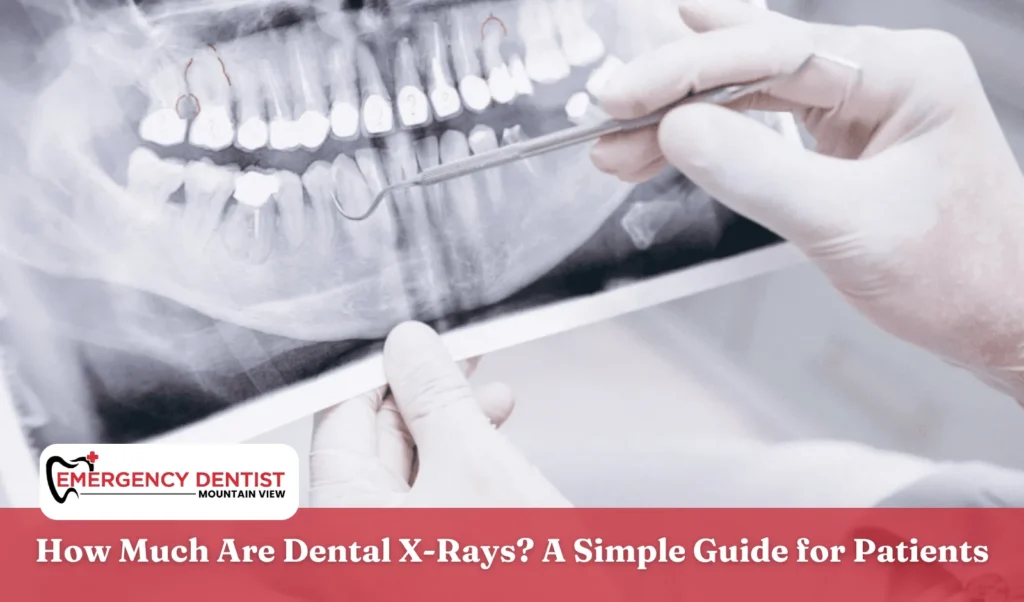
Dental care involves much more than brushing, flossing, and regular dental checkups. Many dental problems start beneath the surface, where they can’t be seen during a normal visual exam. This is why dental imaging is such an important part of preventive dental care. Dental x-rays give dentists a clear view of what’s happening inside the teeth, gums, and jawbone so they can diagnose issues early and plan the right dental procedures. Whether you’re going in for a routine dental exam or need urgent attention from a dental office in Mountain View, x-rays help keep your smile healthy and protected.
What Are Dental X-Rays?
Dental x-rays are specialized images that show the internal structures of your mouth. While a dentist can see the surface of the teeth during a regular dental appointment, x-rays reveal areas that are impossible to inspect with the naked eye. They can uncover tooth decay between teeth, infections near the root, impacted teeth, cysts, bone changes, and more. Without this type of x ray, many hidden dental problems could grow worse before symptoms appear.
How Much Are Dental X-Rays?
It’s common for people to search how much are dental xrays, how much does a dental xray cost, or how much is a dental xray. The dental x rays cost can vary depending on several factors, including:
- The type of x-ray taken (bitewing x rays, panoramic x rays, or 3D imaging)
- The technology used by the dental practices
- Whether the x-ray is part of a regular dental exam or part of urgent treatment
- Your insurance plan coverage
For example, a full set of intraoral images may not cost the same as panoramic x rays or 3D imaging scans often used for orthodontic treatment or oral surgery. While many people ask how much dental xrays cost, it’s important to remember their value: x-rays help dentists detect issues early, prevent severe dental problems, and guide safe and accurate treatments. They can also help patients avoid more expensive procedures in the future.
How Often Dental X-Rays Are Needed
Many patients also ask how often dental xrays should be taken. The answer depends on your:
- Age
- Oral health history
- Risk for cavities or gum disease
- Previous dental problems
Children often need x-rays more frequently because their teeth and jaws are still developing. Adults with healthy teeth may not need imaging as often, but those who are prone to decay, have a history of gum disease, or undergo ongoing dental procedures may require x-rays more regularly. Your dentist will recommend a schedule based on your individual needs and your overall dental care plan.
Types of Dental X-Rays
There are several types of dental x-rays, each offering a different view of the mouth. Understanding these helps you see why your dentist chooses one type over another.
Intraoral X-Rays
These x-rays are taken inside the mouth and are the most common form of dental imaging.
Bitewing x rays
These show the upper and lower teeth in one area. They are excellent for finding cavities between teeth and checking bone levels related to gum disease.
Periapical x-rays
These capture the whole tooth, from crown to root. They help detect abscesses, root infections, and abnormalities in the surrounding bone.
Occlusal x-rays
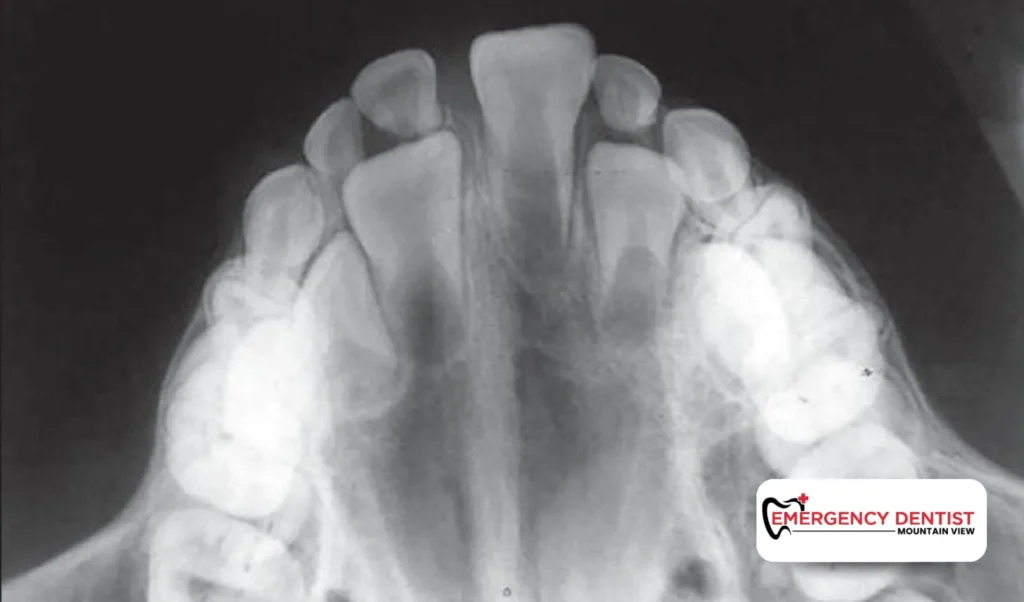
Larger images that show full sections of the mouth. These are especially helpful for children or for locating extra teeth or jaw growth issues.
Extraoral X-Rays
These are taken outside the mouth and give a broader overview of the jaws and facial structure.
Panoramic x rays
These wide-view images show the entire mouth in one picture. They’re commonly used for orthodontic treatment, wisdom tooth evaluation, and detecting hidden dental problems.
Cephalometric x-rays
These help orthodontists analyze how the teeth and jaw fit together.
3D imaging & CT scans
These advanced scans create detailed three-dimensional views of teeth and bone. They’re essential for dental implants, complex root evaluations, and surgical planning.
Why the Different X-Ray Types Matter
Each type of dental x-ray serves a specific purpose. For example:
- Bitewing x rays help detect early cavities.
- Panoramic x rays are ideal before orthodontic treatment or wisdom tooth removal.
- 3D imaging allows dentists to map bone structure before placing implants.
Choosing the correct imaging technique makes treatment more accurate and predictable. It also helps dental practices plan procedures that are safe, efficient, and tailored to each patient.
Are Dental X-Rays Safe?
Many patients worry about radiation exposure, but dental x-rays are extremely safe. Modern digital technology significantly reduces radiation levels. Dentists also use protective tools like a lead apron and thyroid collar to further reduce exposure. The small amount of radiation involved is considered minimal compared to the benefits x-rays provide, especially when diagnosing issues early. Digital dental imaging is fast, comfortable, and much safer than older methods.
How X-Rays Help With Treatment Planning
Dental x-rays play a major role in determining the right treatment plan. They help dentists:
- Spot cavities hidden between teeth
- Identify infections that may need root canals
- Check bone height for gum disease
- Plan orthodontic treatment
- Examine wisdom teeth
- Evaluate bone levels before implants
Without imaging, many dental problems could be missed or diagnosed too late. X-rays ensure that treatment is accurate and based on a complete picture of your oral health.
Why the Naked Eye Isn’t Enough
Even skilled dentists cannot see everything inside the mouth without x-rays. Cavities between teeth, early bone loss, impacted teeth, and root infections are invisible without imaging. That’s why dentists combine visual exams with x-rays to get a full understanding of your dental health.

Emergency Dentist in Mountain View
In some situations, dental x-rays become an urgent necessity rather than a routine part of care. If you crack a tooth during an accident, develop sudden swelling, or experience intense pain without warning, an Emergency Dentist in Mountain View may need to take immediate images to identify the problem quickly. Fast access to bitewing, panoramic, or periapical x-rays helps the dentist diagnose the issue on the spot and begin same-day treatment for relief. In many cases, getting emergency x-rays right away can be the deciding factor in whether a tooth can be saved.
Conclusion
Dental x-rays are an essential part of modern dental care. Whether you’re preparing for orthodontic treatment, checking for hidden decay, or seeking urgent help, x-rays give dentists the information they need to protect your health. While many people wonder how much are dental xrays or compare the cost of dental imaging at different dental offices, the true value lies in how these images prevent bigger problems and support long-term oral wellness.