
First Signs of Wisdom Teeth
Coming In and What to Expect
Quick Answer
Is wisdom teeth pain always an emergency?
No. Mild discomfort can be part of normal tooth development. However, ongoing pain, swelling, or jaw stiffness should be checked by a dentist.
Key Takeaways
- The first signs of wisdom teeth coming in often include pressure, jaw pain, and gum tenderness
- Many people notice changes around the ages of 17 and early adulthood
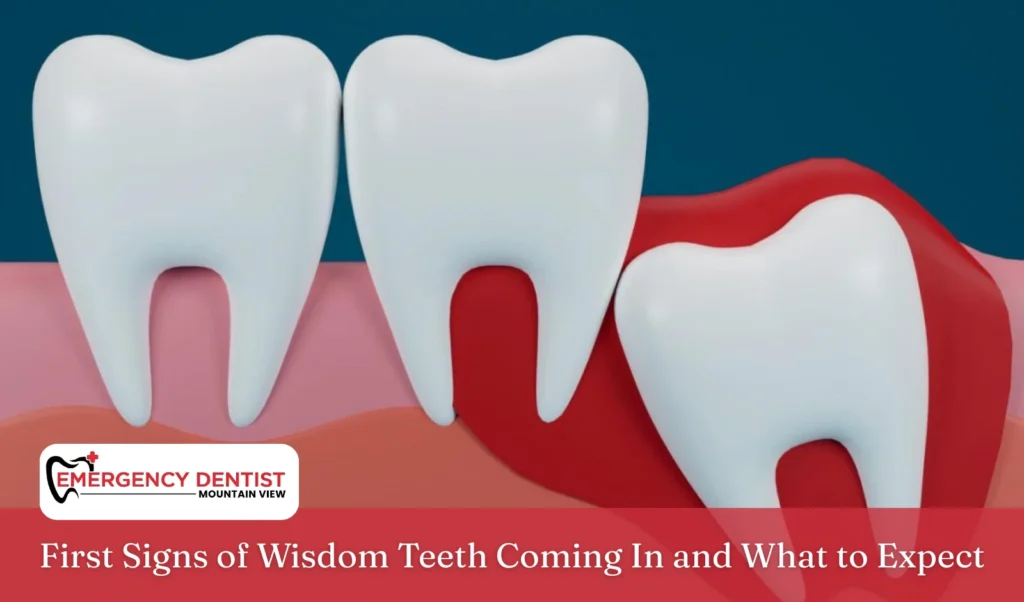
- Impacted wisdom teeth may not fully break through the gum line
- Partially emerged teeth can increase the risk of gum disease and tooth decay
- Early dental visits help decide if wisdom tooth removal is needed
If you’re noticing pressure or soreness at the back of your mouth, you may be wondering about the first signs of wisdom teeth coming in. Many patients ask themselves, “Is this normal?” or “When do wisdom teeth come in?” These concerns are common and understandable, especially during the late teen years.
Wisdom teeth are the last of the permanent teeth to develop. As they begin breaking through the gum, they can cause unfamiliar sensations. Learning what to expect can help you stay calm and know when it’s time to schedule an appointment.
When Do Wisdom Teeth Come In?
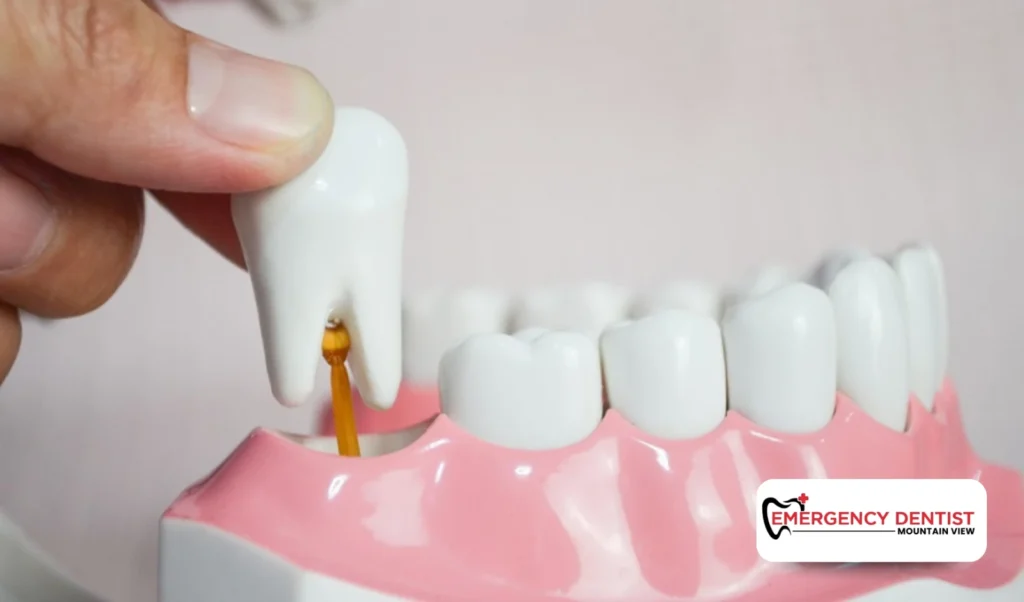
Patients often ask, when do wisdom teeth come in? For most people, wisdom teeth erupt sometime between the ages of 17 and the early twenties. The timing varies from person to person.
Because wisdom teeth develop after the rest of the mouth is already full, they may come in slowly, grow at an angle, or remain partially emerged instead of fully breaking through the gum.
Early Signs to Watch For
The beginning stages are not always obvious. Symptoms may appear gradually as wisdom teeth erupt.
Common Signs Include

- Mild wisdom tooth pain near the back molars
- Gum tenderness as teeth push upward
- Jaw pain or tightness when opening the mouth
- A partially emerged tooth that feels rough
- Dull wisdom teeth pain that comes and goes
- Bad breath from trapped food or bacteria
- A feeling of pressure behind the existing teeth
These signs do not always mean there is a serious issue, but they often indicate wisdom teeth are breaking through the gum.
Why Wisdom Teeth Can Be Uncomfortable
Mouths often don’t have enough room for extra teeth. When space is limited, wisdom teeth may not grow straight.
Impacted Wisdom Teeth
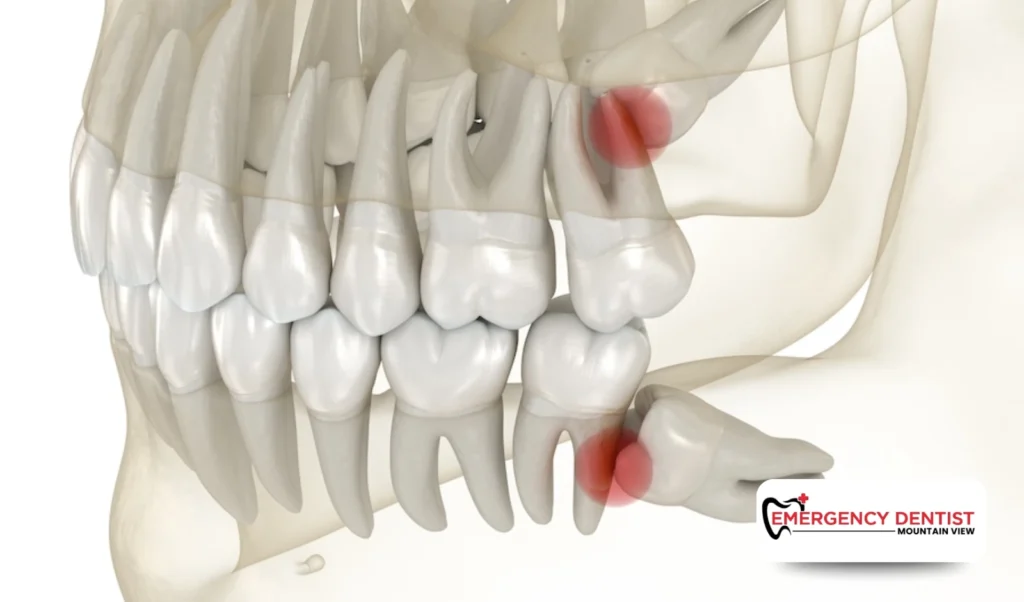
- Impacted wisdom teeth stay beneath the gum or bone
- An impacted wisdom tooth may press against nearby teeth
- Partially emerged teeth can collect food and bacteria
Over time, impacted wisdom teeth may raise the risk of gum disease or tooth decay, which can affect overall oral health if ignored.
Normal Pressure vs Problem Pain
Some discomfort is expected during tooth eruption. You may notice:
- Light swelling that settles after a few days
- Sore gums when brushing
- Wisdom teeth pain that improves on its own
However, pain that worsens, persistent jaw pain, or ongoing bad breath may signal a need for professional care.
Simple Comfort Tips at Home

While self-diagnosis should be avoided, you can take basic steps to stay comfortable:
- Applying a cold compress to the outside of the jaw
- Using counter pain relief products as directed
- Choosing soft foods during sore periods
- Keeping the area clean with gentle brushing
These steps may help manage temporary discomfort but do not replace dental care.
When Wisdom Teeth Removal Is Considered
Removing wisdom teeth isn’t always necessary. A dentist may discuss wisdom teeth removal if:
- Teeth are impacted or difficult to clean
- Gum disease or tooth decay develops nearby
- Pain continues or increases
Wisdom tooth removal is often recommended to protect surrounding teeth and maintain long-term oral health.
When to Call an Emergency Dentist
You should contact an Emergency Dentist in Mountain View if you notice:
- Ongoing wisdom tooth pain
- Swelling that does not improve
- Jaw pain affecting daily activities
- Persistent bad breath
- Irritated gums near the back teeth
Early evaluation helps prevent bigger problems later.
Final Thoughts
Wisdom teeth changes can feel confusing, especially when symptoms appear slowly. Paying attention to early signs helps you protect your oral health and feel more in control of your care.
Schedule Wisdom Teeth Care in Mountain View
If wisdom teeth discomfort is affecting your comfort, an Emergency Dentist in Mountain View is here to help explain your symptoms and discuss the right next steps.
Schedule an appointment today to receive clear guidance, gentle care, and peace of mind from a dental team focused on your comfort and long-term oral health.
Frequently Asked Questions
Why do my wisdom teeth cause jaw pain?
They may press against nearby teeth or grow at an angle, creating pressure in the jaw.
Can wisdom teeth come in without pain?
Yes. Some people feel little to no discomfort as wisdom teeth erupt.
Do I need to remove my wisdom teeth right away?
Not always. A dentist can help determine whether removing wisdom teeth is necessary based on your symptoms and exam.
Can wisdom teeth affect my other teeth?
Yes. When wisdom teeth are impacted or partially emerged, they can press against nearby teeth or make cleaning harder, which may affect surrounding teeth over time.
How do I know if my wisdom teeth are impacted?
You may notice jaw pain, swelling, or ongoing discomfort at the back of your mouth. A dental exam can confirm whether an impacted wisdom tooth is present and if treatment is needed.
Should I see a dentist even if my wisdom teeth don’t hurt?
Yes. Wisdom teeth can cause problems without obvious pain. A dental visit helps check how the teeth are developing and protects your long-term oral health.