
Care Guide If Gum Hurts After Tooth Extraction
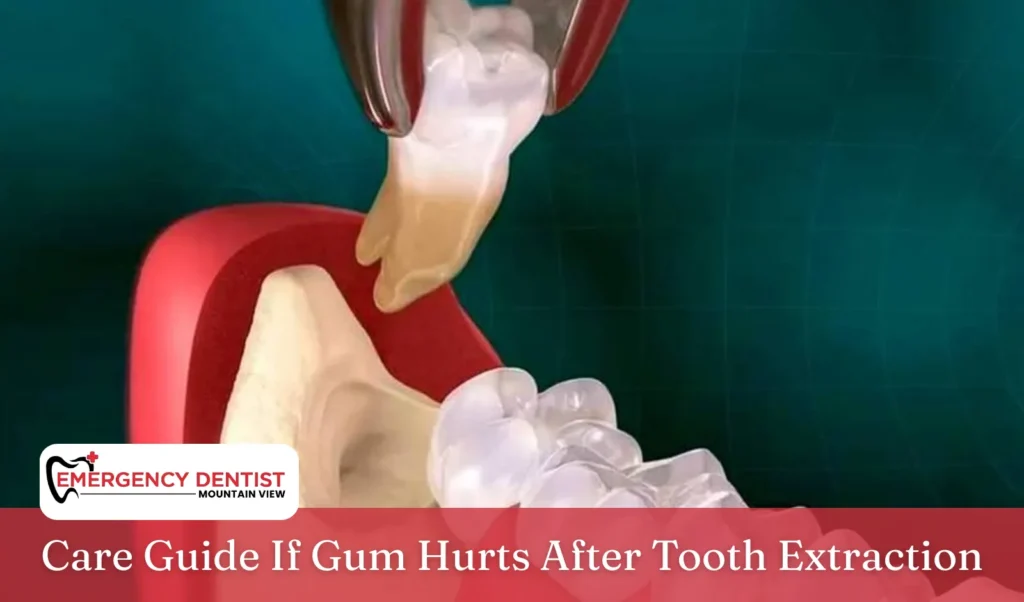
When a tooth is removed, many patients begin to worry if their gums hurt after tooth extraction. While some gum soreness is normal and part of the natural healing process, pain that lingers or worsens may point to complications. Understanding the difference between expected healing and potential problems allows you to care for your mouth and avoid long-term issues.
The Healing Process After a Tooth Removal
Right after extraction, your body begins repairing itself. A protective blood clot forms in the extraction site, sealing the empty tooth socket and shielding sensitive bone and nerves. This clot provides the foundation for proper tooth extraction healing.
- First 24 hours: Some bleeding, gum tenderness, and pain and swelling are expected. It’s important not to disturb the blood clot.
- At 48 hours: Swelling and soreness may peak. Using an ice pack on the cheek can help manage swollen gums and reduce discomfort.
- Several days after surgery: Pain should gradually improve, though some sensitivity in the surrounding gum tissue may remain, especially if wisdom teeth were extracted.
If your gum hurts after tooth extraction for longer than a week, or if pain suddenly worsens, it’s a good idea to contact your dentist.
When Gum Pain Is Normal vs. a Concern
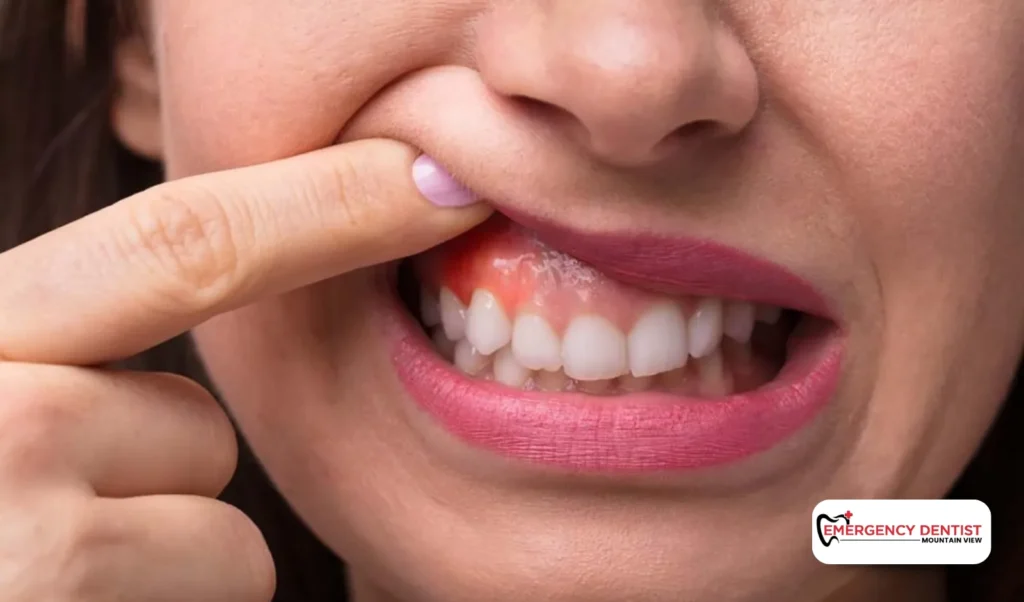
Tenderness in the extraction area and soreness in the surrounding tissues are normal after a tooth removal. The surgical site may feel sensitive while chewing or drinking hot or cold liquids.
However, if gum hurts after tooth extraction beyond the first several days after surgery, or if you notice foul tastes in your mouth, worsening swelling, or sharp pain, this may indicate issues such as infection or dry socket.
Complications That May Arise
While many people heal without major issues, some complications require immediate attention:
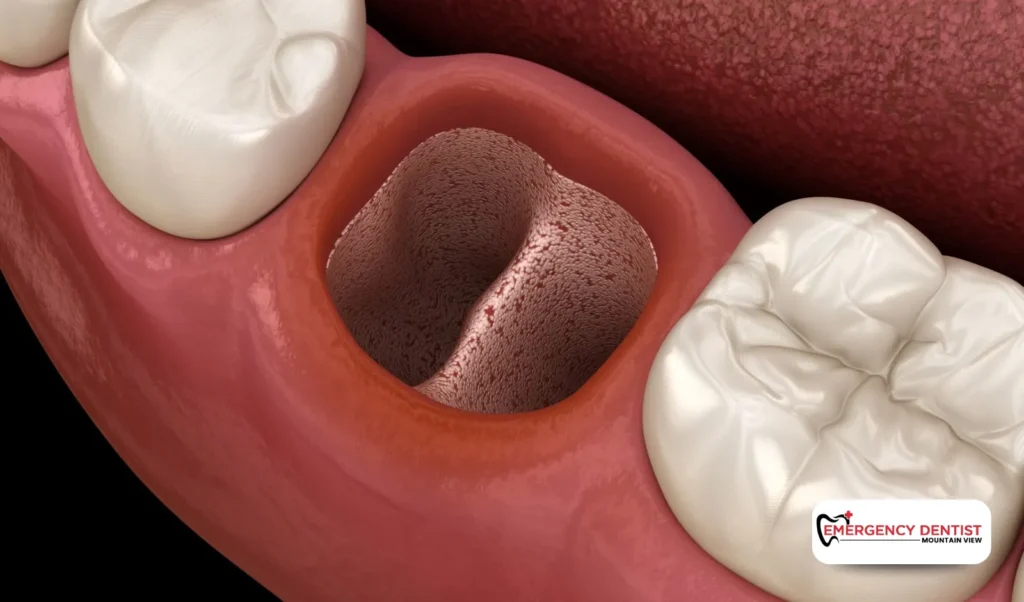
- Dry socket: If the blood clot dissolves too early or becomes dislodged, the empty tooth socket is left exposed. This condition is very painful and delays healing.
- Signs of infection: Increasing pain and swelling, fever, pus, or redness in the extraction site suggest infection in the surrounding gum tissue.
- Bad breath and foul tastes: Persistent bad breath or unusual tastes in your mouth may point to bacteria or food particles trapped near the extraction area.
If these issues appear, see an Emergency Dentist in Mountain View promptly to avoid worsening problems.
Caring for Gums After Tooth Extraction
Following the right steps at home can ease pain and support recovery:
- Apply an ice pack: Use for 15 minutes at a time during the first 24 hours to manage swelling.
- Rinse with salt water: Starting the day after surgery, rinse gently with warm salt water two to three times daily to keep the extraction area clean without disturbing the clot.
- Brush your teeth carefully: Keep brushing, but avoid the extraction site until it begins to heal. Be gentle to prevent irritation.
- Maintain oral hygiene: Good oral hygiene keeps bacteria levels low and promotes healthy recovery of the gums after tooth extraction.
These steps protect the surrounding tissues and lower your risk of complications.
Common Side Effects

During the first few days after surgery, you may notice:
- Tastes in your mouth: Metallic or odd flavors caused by blood or healing tissue.
- Bad breath: Temporary and usually fades as healing continues.
- Swollen gums: Some swelling is normal, but worsening after 48 hours should be checked by a dentist.
These side effects usually improve as the healing process continues, provided aftercare instructions are followed.
When to Call an Emergency Dentist in Mountain View
If your gum hurts after tooth extraction beyond a week, or if you notice signs of infection, don’t wait to get help. An Emergency Dentist in Mountain View can examine the extraction site, relieve pain, and prevent further issues. Quick treatment ensures the extraction area and surrounding gum tissue heal correctly.
Conclusion
It’s normal if gum hurts after tooth extraction, especially within the first 24 to 48 hours. Tenderness, mild bleeding, swollen gums, and even a metallic taste in your mouth are part of normal recovery.
Still, you should remain alert. Problems such as dry socket, foul tastes, bad breath, or signs of infection require professional attention. By rinsing with salt water, applying an ice pack, practicing consistent oral hygiene, and knowing how to safely brush your teeth, you can protect your gums after tooth extraction and ensure smooth healing.
If your pain continues or worsens, contacting an Emergency Dentist in Mountain View provides peace of mind, effective treatment, and long-term protection for your oral health.
Frequently Asked Questions
Why do gums hurt after tooth extraction?
It’s normal if gums hurt after tooth extraction due to healing at the extraction site. Tenderness and swollen gums usually improve in a few days.
How long should gum pain last after surgery?
Most soreness fades within 24 to 48 hours, though wisdom teeth can take longer. If gum pain lasts beyond a week, contact your dentist.
What are signs of infection after a tooth removal?
Signs of infection include worsening pain and swelling, pus, fever, or a foul taste in your mouth. These need urgent dental care.