

Recovery Tips: How Long for Tooth Extraction Hole to Close
Many patients often ask, “How long is the tooth extraction hole closed?” Whether it’s a simple extraction or a more complex surgical extraction, knowing the expected healing time can provide peace of mind. While every patient heals differently, understanding the stages of the healing process helps reduce anxiety and supports proper aftercare.
The length of recovery time depends on the type of extraction, overall health, and how well you protect the extraction site. If healing seems delayed or complications occur, an Emergency Dentist in Mountain View can provide immediate care to ensure a safe recovery.
Why an Extraction Hole Forms
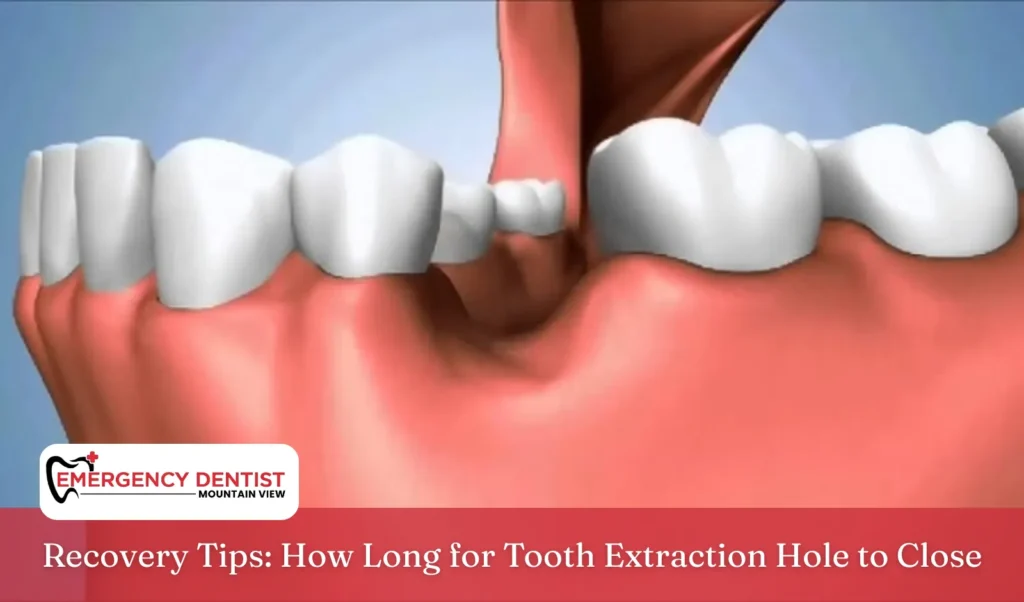
After a dentist performs a tooth removal, an empty tooth socket remains in the jawbone. This space, also called the extraction site, is surrounded by soft tissue and the gum line. While the opening may appear large at first, your body begins repairing it right away. Over time, tissue develops, and bone strengthens, allowing the hole to gradually close.
The Role of the Blood Clot
Within about 30 minutes after extraction, a blood clot started to form in the socket. This clot functions as a natural bandage, covering sensitive nerves and bone. It serves as the foundation for the healing process, allowing soft tissue to repair and close the gum line.
If the clot dissolves too soon or becomes dislodged, a painful condition known as dry socket may occur. This delays recovery time and increases the risk of infection. Protecting the clot is one of the most important parts of healing.
Types of Extraction and Healing Time
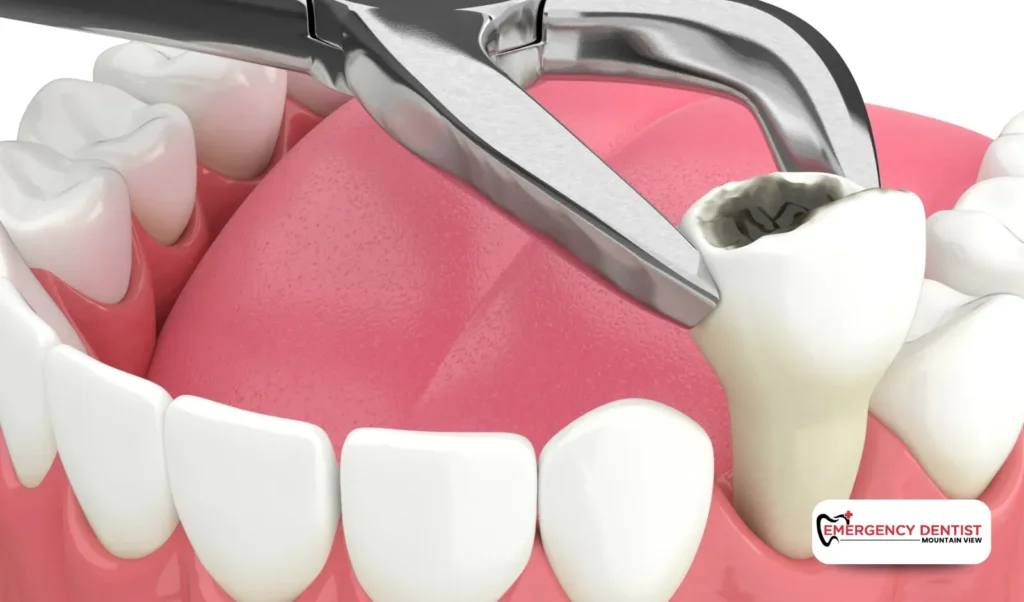
The types of extraction greatly affect how quickly the hole closes:
- Simple extraction – The tooth is loosened and removed without surgery. Recovery is faster, with the extraction site usually closing in one to two weeks.
- Surgical extraction – Used for impacted or fractured teeth, especially wisdom teeth. Since gum or bone tissue may be removed, the healing time is longer, often requiring weeks before the soft tissue fully closes.
Wisdom teeth extractions are especially complex, so their extraction sites may remain open longer compared to other teeth.
Stages of the Healing Process
The body heals in steps, and each stage is vital:
- First 24 hours – A blood clot starts to form, swelling begins, and mild bleeding may occur.
- Days 2-7 – Soft tissue repair is underway, and the gum line starts closing around the socket.
- Weeks 2-4 – Most gum tissue heals, though the deeper tooth socket and bone remain in recovery.
- 1-3 months – Bone continues strengthening, and the socket becomes less noticeable.
- Complete healing – Depending on the procedure, full closure may take several months until the site is structurally fully closed.
How Long for Hole to Close After Tooth Extraction
For many patients, the visible hole begins shrinking within the first week. With a simple extraction, soft tissue closure often happens in two to three weeks, while deeper healing may last months.
For a surgical extraction, particularly involving wisdom teeth, healing generally takes longer. It can require six weeks or more before the gum line completely seals the site. Complete healing of bone and tissue may take several months. Although healing times vary, careful aftercare ensures a smoother recovery.
Protecting the Extraction Site During Recovery

Caring for the extraction site properly is essential:
- Avoid food particles – Stick to soft foods like mashed potatoes, yogurt, or smoothies that won’t get trapped in the socket.
- Choose room temperature meals – Hot or very cold foods can disturb the clot and slow the healing process.
- Maintain gentle oral hygiene – Rinse carefully with salt water and brush near the gum line without dislodging the clot.
- Rest and recover – Avoid heavy activity, which can worsen swelling and extend recovery time
These habits protect the clot and encourage the hole to close more quickly.
Signs of Healthy Healing vs. Complications
Normal healing shows steady improvement-swelling decreases, discomfort lessens, and the hole begins closing. However, certain warning signs may suggest complications:
- Severe or worsening pain a few days after extraction
- Persistent unpleasant taste or odor
- A socket missing its protective blood clot
- Swelling that doesn’t improve or gets worse
These may indicate dry socket or infection. If these occur, contact an Emergency Dentist in Mountain View promptly for treatment.
Conclusion
Healing after a tooth extraction is gradual and requires patience. A simple extraction may result in a hole that closes within weeks, while a surgical extraction, particularly for wisdom teeth, often takes longer. Even if the gum appears healed, complete healing of bone and tissue may take months before the site is fully closed.
Protecting the blood clot, avoiding food particles, eating room temperature foods, and practicing gentle oral hygiene are key steps in preventing dry socket. Since every patient’s healing time is different, consistent aftercare and professional guidance ensure the extraction site heals safely. If your recovery time seems delayed or unusual, an Emergency Dentist in Mountain View can provide the care needed for a smooth and healthy recovery.
Frequently Asked Questions
How long for a hole to close after tooth extraction?
The hole usually starts shrinking within a week. For a simple extraction, soft tissue often closes in 2-3 weeks. Surgical extractions, especially wisdom teeth, may take six weeks or longer for the gum line to seal, with complete healing lasting several months.
What can slow down the healing process after extraction?
Healing may be delayed if the blood clot is disturbed, if food particles get stuck in the socket, or if aftercare instructions aren’t followed. Smoking, drinking alcohol, or eating very hot or cold foods can also slow recovery.
How do I know if my tooth extraction site isn’t healing properly?
Warning signs include severe or worsening pain, a bad taste or odor, swelling that doesn’t improve, or an empty socket where the blood clot is missing. These may indicate dry socket or infection and should be checked by an Emergency Dentist in Mountain View.