

Recovery Guide: Hole in Gums After Wisdom Tooth Extraction
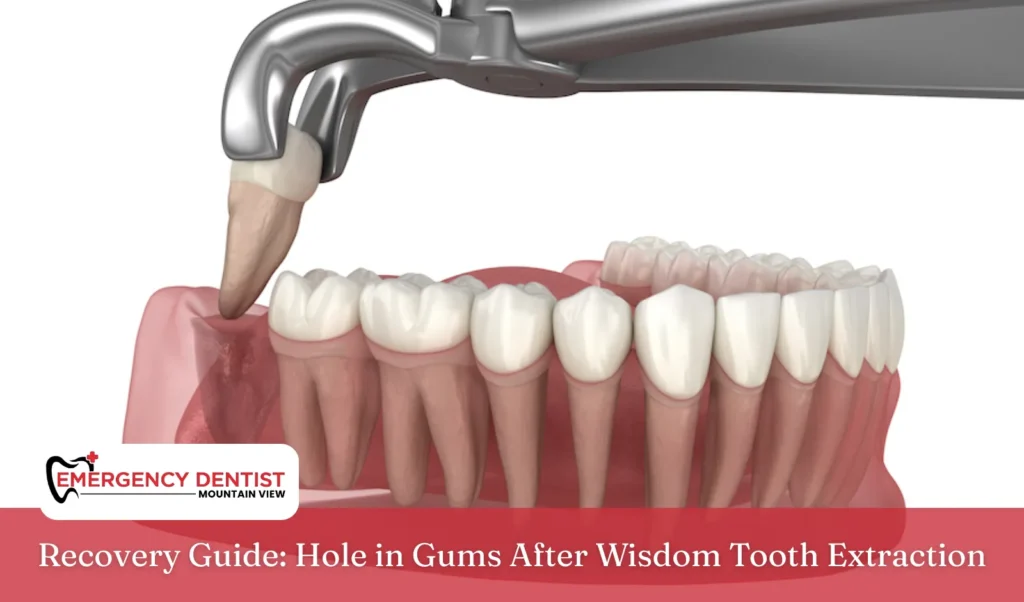
When you have your wisdom teeth removed, it’s common to notice a hole in gums after wisdom tooth extraction. These spaces, often called sockets or a tooth hole, can look concerning at first, but they’re actually part of the body’s natural healing process. By understanding why these holes form, how long they take to close, and which aftercare steps to follow, you’ll feel more reassured and support a smooth recovery.
Why Holes Form After Wisdom Tooth Extraction
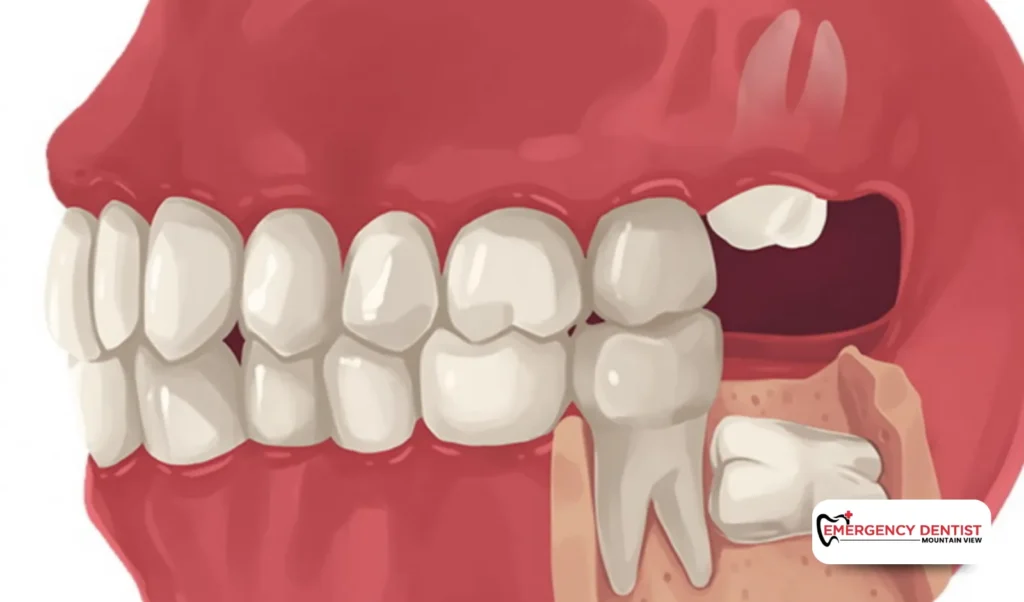
When a tooth is removed, it leaves behind an extraction site in the jawbone. This opening may appear deeper if the procedure involved molars or impacted teeth. The gum tissue doesn’t close immediately. Instead, the body repairs in phases, first forming a protective clot, then producing new tissue, and eventually rebuilding bone.
Some patients worry that holes in gum after wisdom tooth extraction mean something went wrong. In reality, they are completely normal and just need time to heal.
The Healing Process
The healing process begins quickly. Within about 30 minutes after the tooth is removed, your body creates a blood clot inside the extraction site. This clot protects exposed bone and nerves while serving as the foundation for new gum tissue.
Over the first week, the gums begin closing from the edges. By two to three weeks, most holes in gum after wisdom tooth extraction look smaller, though deep sockets may remain. For some, complete closure can take several months. The most important step is avoiding dislodging the blood clot, as losing it early can delay recovery and increase risks.
Risks During Recovery
Healing is usually straightforward, but complications can develop. Food particles can get lodged in the sockets, causing irritation. More concerning is dry sockets or infection. A dry socket happens when the clot dissolves or is lost too soon, leaving bone exposed. Signs include severe pain, foul odor, or a visible empty tooth hole.
An infection may also occur if bacteria enter the extraction site. For this reason, practicing good oral hygiene is essential during recovery.
Eating After Wisdom Tooth Extraction

What you eat matters during recovery. Dentists recommend you stick to soft meals for the first few days. Good choices include yogurt, mashed potatoes, smoothies, and blended soups. These soft foods are easy to chew and won’t irritate the healing gum tissue.
Avoid crunchy, sticky, or spicy foods that may become lodged in the sockets or disturb the clot. As the gums recover, you can slowly add more solid foods, but always chew away from the extraction site until your dentist confirms it’s safe.
Safe Cleaning Practices
Keeping the tooth hole clean is crucial but must be done carefully. Brushing directly on the extraction site can interfere with healing. Instead, follow these practices:
- After 24 hours, gently rinse with warm water or a mild salt water solution.
- Avoid vigorous swishing, which could loosen the clot.
- Continue to brush your teeth and floss the rest of your mouth to maintain good oral hygiene.
These steps help reduce the risk of dry sockets or infection and prevent debris from building up.
Managing Pain and Swelling
Discomfort and swelling are normal after wisdom tooth extraction. Using ice packs during the first 24 hours helps reduce swelling and makes you more comfortable. Pairing this with rest and a soft foods diet encourages faster healing.
When to Contact an Emergency Dentist in Mountain View
Most patients heal as expected, but there are times when you should seek urgent care. Contact an Emergency Dentist in Mountain View if you notice:
- Severe pain that worsens instead of improving
- Signs of dry sockets or infection, such as pus, swelling, or foul odor
- Persistent bleeding that doesn’t stop with gentle pressure
- Difficulty swallowing or trouble opening your mouth
Prompt treatment helps keep your healing process on track.
Tips for a Smooth Recovery

While healing varies for each patient, these reminders can support a smooth recovery:
- Rest and avoid strenuous activity for the first 48 hours.
- Drink plenty of fluids and eat soft food such as yogurt, mashed potatoes, and smoothies.
- Gently rinse with warm water or salt water after meals.
- Apply ice packs in the first 24 hours to reduce swelling.
- Protect the extraction site by avoiding smoking, straws, or poking at the gums.
With these steps, the holes in gum after wisdom tooth extraction will naturally close, and your gum tissue will return to normal.
Conclusion
Noticing a hole in gums after wisdom tooth extraction is a normal stage of the healing process. Over time, the extraction site fills in with new gum tissue and bone. By following aftercare directions, eating soft foods, applying ice packs, and practicing good oral hygiene, you can avoid issues like food particles lodged in the sockets or dry sockets or infection.
Recovery takes patience, but most sockets close on their own with proper care. If unusual symptoms develop, reach out to an Emergency Dentist in Mountain View for immediate help. With the right approach, you can look forward to a smooth recovery and better oral health.