
Tips on How to Prevent Dry Socket After Tooth Extraction

Having a tooth removed is a routine dental procedure, but the healing period afterward is just as important as the treatment itself. One of the most common concerns patients have is dry socket, a painful complication that can follow a tooth extraction. If you’re looking for how to prevent dry socket after tooth extraction, this guide explains what causes it and how you can reduce risk with proper aftercare.
What Is a Dry Socket?
Dry socket, also called alveolar osteitis, occurs when the protective blood clot fails to stay in place after a tooth is removed. Normally, when a tooth is taken out, a blood clot forms in the empty socket. This clot shields exposed bone and nerves and creates the foundation for healthy gum tissue to heal.
If the blood clot forms but later dissolves, becomes dislodged, or never develops, the extraction site is left exposed. This can lead to throbbing pain, bad breath, swelling, and sometimes a foul taste in the mouth. Patients who have wisdom teeth removed face a higher risk of developing dry socket, though it can happen after any tooth extraction.
How Dry Sockets Develop
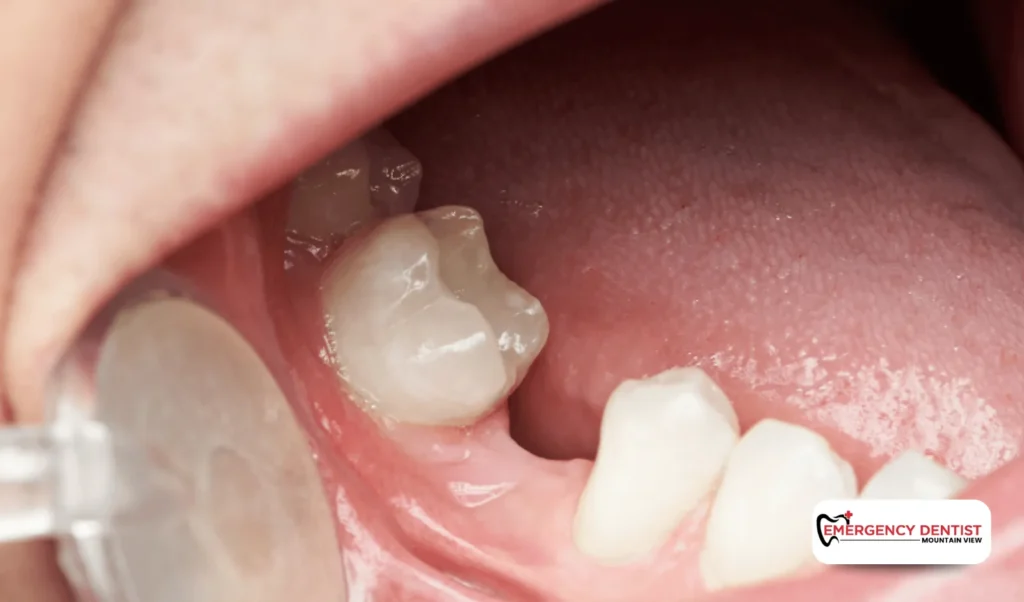
When the blood clot doesn’t protect the extraction site, the empty socket may be exposed to food particles, bacteria, and air. This can cause irritation and inflammation, resulting in severe pain that radiates through the jaw and up toward the ear. Some people also experience a bad taste or unpleasant odor in the mouth.
Because the risk of developing dry socket can delay recovery and increase pain, knowing how to avoid dry socket after tooth extraction is essential for smoother healing.
How to Prevent Dry Socket After Tooth Extraction
After a tooth extraction, dry socket can develop, but following proper care steps can prevent it and speed up healing. Here’s how you can manage it:
- Follow your dentist or oral surgeon’s instructions
Every procedure is different, so it’s important to follow the specific directions your dentist or oral surgeon provides. These may include advice about gauze, rinsing your mouth, pain relief, or the use of antibacterial mouthwashes.
- Be careful during the first 24 hours
The first 24 hours after a tooth is removed are critical. Do not rinse your mouth forcefully, spit, or start drinking through a straw, as these actions can dislodge the blood clot. Rest as much as possible to give your body time to heal.
- Rinse your mouth with warm salt water
After the first day, gently rinse your mouth with warm salt water several times a day. This keep the extraction site clean, reduces bacteria, and supports healing without disturbing the clot.
- Use cold packs for swelling
Applying cold packs to your cheek for 15-20 minutes at a time can reduce swelling and provide comfort. This is especially effective during the first two days after surgery.
- Brush your teeth carefully
Continue brushing your teeth daily to maintain oral hygiene, but avoid the extraction site. Brushing your teeth too aggressively near the empty socket can dislodge the blood clot. Gentle brushing helps keep your mouth clean while protecting the healing area.
- Avoid tobacco products and alcohol
Smoking, chewing tobacco products, and drinking alcohol slow the healing process and can dissolve or dislodge the clot. Avoid these for several days after your tooth removal to prevent dry socket.
- Eat soft foods
Stick to soft foods such as yogurt, mashed potatoes, and smoothies. Avoid hot, crunchy, or sticky foods that could irritate the extraction site or dislodge the blood clot.
Extra Tips to Reduce Risk of Dry Socket

Stay hydrated by drinking water regularly, but don’t swish it in your mouth. If your dentist or oral surgeon suggests antibacterial mouthwashes, use them carefully, since strong rinses may interfere with healing. For pain relief, only take medications as prescribed or approved over-the-counter. Rest is equally important, your body heals faster when given enough downtime.
By practicing these steps consistently, such as rinsing your mouth with warm salt water a few times a day, brushing your teeth carefully, and avoiding tobacco products, you can reduce risk and support a smooth recovery.
When to See an Emergency Dentist in Mountain View
Even with good aftercare, problems may still develop. If you notice severe or lasting pain, bad breath, exposed bone, or discomfort that spreads to your ear or temple, it may be time to contact an Emergency Dentist in Mountain View. They can examine the extraction site, treat the dry socket, and provide pain relief to get your healing back on track.
Conclusion
Healing after a tooth extraction takes more than just time, it takes good care. Protect the blood clot in the empty socket, follow your dentist or oral surgeon’s advice, and build healthy habits like rinsing with warm salt water a few times a day, using cold packs, brushing gently, and avoiding tobacco products. These steps can prevent dry sockets and lower your risk of problems. If pain or other issues come up, see an Emergency Dentist in Mountain View. With the right care, you’ll keep your mouth healthy and recover faster.