
Chipped Tooth No Pain? Hidden Dental Dangers Explained
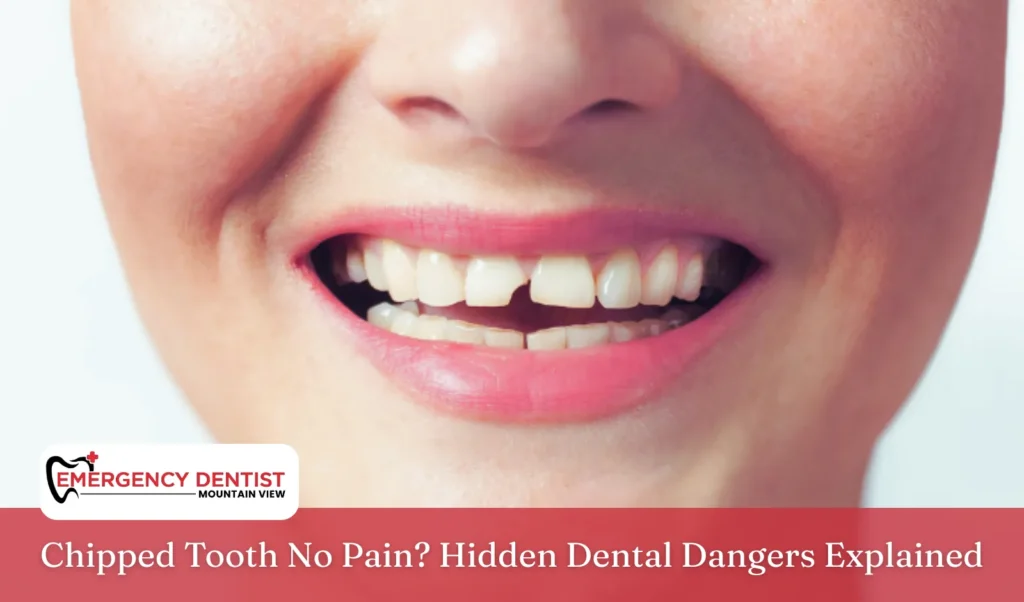
At first, a chipped tooth might appear to be a small cosmetic issue, especially when there’s no soreness or irritation. But whether you have a chipped molar tooth with no pain, a wisdom tooth chipped off with no pain, or even a back tooth chipped with no pain, the damage can still weaken the tooth structure. Just because you feel no discomfort from a slightly chipped tooth, no pain or a tooth chipped while flossing no pain doesn’t mean the tooth is safe from future problems.
Why You Might Not Feel Pain
Many people wonder why a tooth chipped with no pain doesn’t cause immediate discomfort. The reason lies in how a tooth is built. The enamel, which is the outside layer of the tooth, has no nerves. That’s why a small chip in front tooth no pain or a tooth chipped at gum line no pain might go unnoticed. Pain only occurs when damage reaches the dentin or pulp, where the nerves and blood vessels are located.
Examples of pain-free chips include:
- Tooth chipped but no pain
- Back tooth chipped off no pain
- Chipped front tooth no pain
- Part of tooth chipped off no pain
Even with no symptoms, a chipped tooth with no pain can slowly worsen if left untreated.
Causes of a Chipped or Cracked Tooth Without Pain
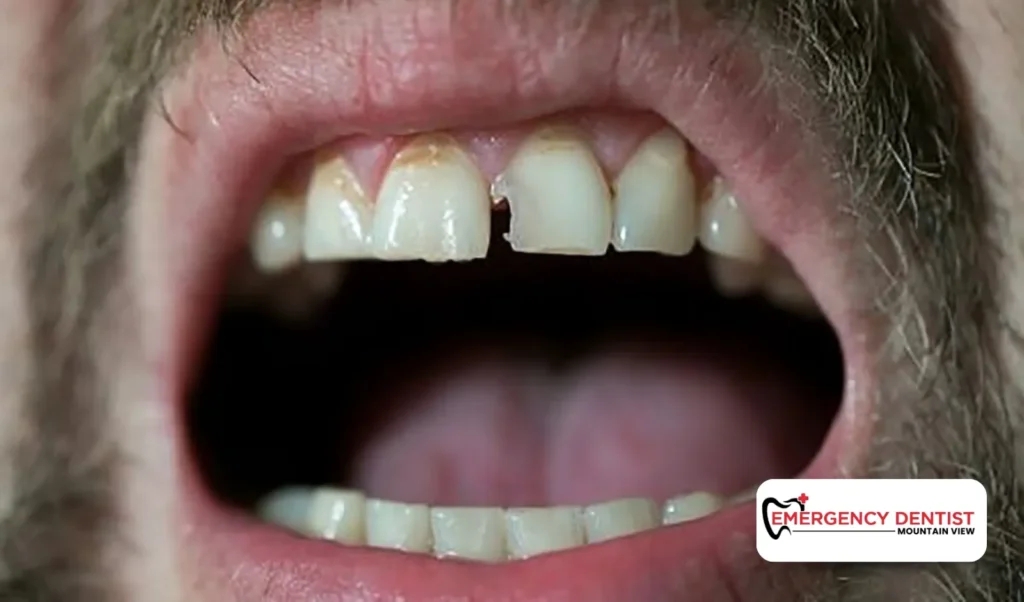
A chip in tooth no pain may happen due to several common everyday habits, including:
- Chewing hard items like ice, popcorn kernels, or candy
- Tooth decay thinning the enamel
- Teeth grinding (bruxism), especially at night
- Using teeth to open packaging or bite on objects
- Minor accidents, falls, or sports injuries
These activities can create minor chips that expose the inner layers of the tooth. Over time, these can turn into deeper cracks or chips, increasing the risk of infection or even leading to a cracked tooth.
Why Treatment Is Still Important
Ignoring a chipped back tooth no pain or small chipped tooth no pain may allow bacteria to enter the damaged area. If left untreated, this can lead to:
- Worsening chips or cracks
- Infection reaching the pulp, requiring root canal therapy
- Tooth loss and the need for dental implants
- Spread of decay to nearby teeth or gums
Even a tooth chipped at the gum line no pain can become a serious issue if not treated promptly.
What You Should Do at Home
If you’ve noticed your tooth chipped off no pain, follow these simple steps to protect the tooth before seeing a dentist:
- Rinse your mouth with warm salt water to help reduce bacteria
- Avoid chewing on the affected tooth to prevent further damage
- Use dental wax or sugar-free gum to cover sharp edges
- Take counter pain relievers if any sensitivity starts
- Call an Emergency Dentist in Mountain View for an evaluation
These steps are temporary and not meant to permanently fix a chipped tooth, but they can help manage the issue until you see a professional.
Treatment Options from a Dental Professional
Depending on the damage and location of the chipped molar tooth no pain, chipped wisdom tooth no pain, or slightly chipped tooth no pain, a dentist may recommend one of the following:
- Dental bonding for minor chip repairs using composite resin
- Dental fillings for chipped back tooth no pain or molar damage
- Dental crowns for larger cracks or structural loss
- Root canal therapy if nerves and pulp are exposed
- Dental implants if the tooth is broken beyond repair
- Tooth-colored resin for esthetic correction of chipped front tooth no pain
These treatments help restore function, appearance, and protect your long-term oral health.
Mistakes to Avoid
When dealing with a chipped tooth no pain, here are common mistakes to avoid:
- Ignoring the problem, chipped teeth may deteriorate beneath the surface
- Using glue or other household adhesives
- Chewing on or testing the crack
- Delaying your dental visit
A chipped tooth but no pain can easily escalate into serious dental problems if not treated early.
When to See an Emergency Dentist in Mountain View
You should contact an Emergency Dentist in Mountain View if:
- There is a sharp or jagged edge
- The chip gets larger or begins to hurt
- You notice changes in your bite
- The chipped tooth no pain molar changes color or becomes sensitive
Getting professional care early helps prevent a treatable issue from turning into an expensive and complex one.
Pain-Free Doesn’t Mean Problem-Free
Don’t be misled by the absence of pain. Whether it’s a tooth chipped but no pain, a chipped wisdom tooth no pain, or even a small chip in tooth no pain, any kind of structural damage should never be ignored. Even a slightly chipped tooth no pain can weaken the enamel, leaving the tooth vulnerable to decay, infection, and further breakage. What seems minor now may grow into a bigger problem if left untreated.
Acting early helps protect the tooth and allows dentists to use simpler treatment options like dental bonding instead of more advanced procedures like root canal therapy or dental implants.
To protect your oral health and prevent complications, schedule a visit with an Emergency Dentist in Mountain View to evaluate the damage, explore your treatment options, and restore your smile with confidence.