
Chipped Tooth No Pain Molar? Hidden Risks Explained
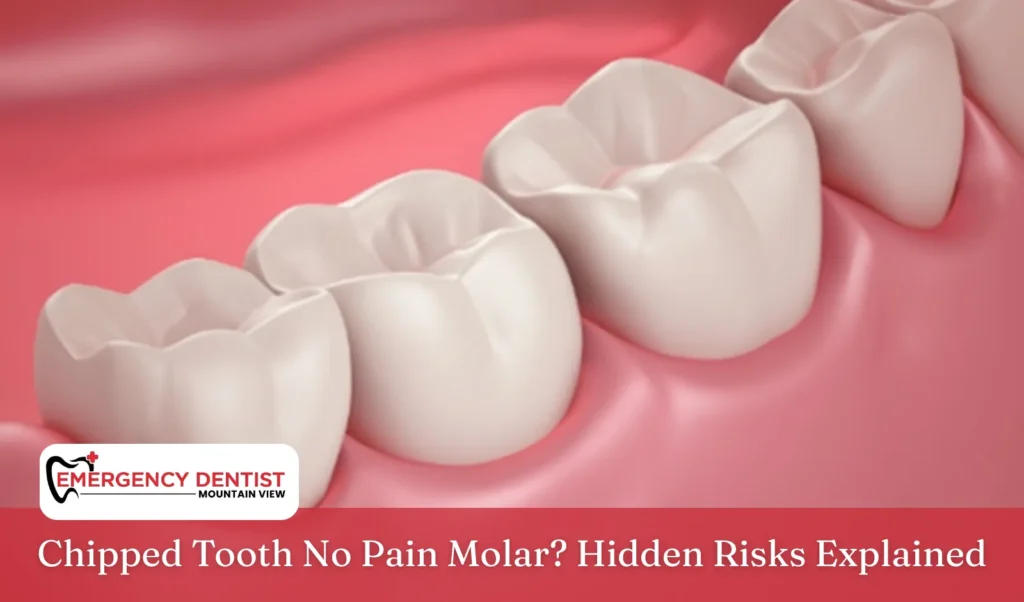
It’s easy to dismiss a chipped tooth when there’s no pain, swelling, or bleeding. Many people experience a chipped tooth no pain molar situation and assume nothing is wrong. But in reality, even a small crack or chip in your molar could slowly turn into a much bigger dental issue, especially if it affects your chewing teeth.
In this blog, you’ll learn why you should never ignore damage to your molar, what causes chipped or cracked teeth, how to prevent further damage, and why it’s important to seek help from an Emergency Dentist in Mountain View.
Can a Chipped Molar Tooth Cause No Pain?
Yes. Many chipped or cracked teeth cause no pain at all, especially when the chip or crack is in the enamel and hasn’t reached the inner layers of the tooth. Your molars have thick enamel, and if the nerve inside isn’t exposed, you might not feel any discomfort. However, that doesn’t mean your tooth is fine. A chipped molar tooth no pain situation may still expose vulnerable areas to bacteria, causing decay, infection, or larger structural damage later.
Sometimes you might feel a sharp edge with your tongue or notice a visible chip when looking in the mirror. But without pain, it is tempting to delay seeing a dentist. That delay can make the situation worse over time.
Why You Shouldn’t Ignore a Chipped Molar Tooth
Molars are the strongest teeth in your mouth, responsible for chewing and grinding food. When one of them has a chip or crack, it may weaken the tooth’s structure. Even if you feel no discomfort now, every bite puts pressure on that damaged area, which could cause the crack to deepen or expand.
Ignoring a cracked or chipped molar can lead to:
- Worsening the crack or chip
- Bacterial buildup in the damaged area
- Tooth decay or infection
- Increased risk of needing a root canal
- Tooth sensitivity and gum irritation
- Possible extraction if left untreated
A chipped tooth no pain molar situation doesn’t protect you from long-term damage. What starts as a small, harmless chip can turn into a serious dental emergency later.
Common Causes of Molar Chips or Cracks
You might experience a chip or crack in your molar for many reasons. Some of the most common include:
1.Biting Hard Foods or Objects
Chewing on ice, popcorn kernels, bones, or hard candies can cause a tooth to chip, especially if there is already decay or enamel wear.
2. Teeth Grinding (Bruxism)
Grinding or clenching your teeth, usually during sleep, puts constant pressure on the molars. Over time, this pressure can lead to cracked teeth.
3. Sports Injuries or Accidents
Falls, facial injuries, and sports-related trauma may result in a chip or crack even if you’re wearing protective gear.
4. Weak or Old Dental Fillings
Fillings that have aged or weakened can lose their ability to support the tooth’s structure, making it more prone to fractures.
5. Enamel Wear Over Time
As you age, the enamel becomes thinner and less resistant to damage, making chipped molar tooth no pain situations more likely.
Dangers of Leaving a Chipped Molar Untreated
Ignoring a cracked or chipped molar may seem harmless at first, but it can lead to serious consequences, including infection, nerve damage, and tooth loss. Here are the biggest risks you should know:
- Tooth Decay and Cavities
A damaged area can trap food, plaque, and bacteria, making it easy for cavities to develop.
- Infection or Abscess
If bacteria reach the nerve, it can cause infection. This often leads to pain, swelling, and may require a root canal.
- Deep Cracked Teeth
That minor chip or crack can worsen with chewing, leading to a deep crack that reaches the tooth’s nerve.
- Possible Tooth Loss
If damage is too severe or infection spreads, the tooth may need extraction, especially if treatment is delayed.
- More Expensive and Extensive Treatment
What could be fixed with bonding or a small filling might later require a crown, root canal, or even tooth replacement.
How to Protect a Chipped Molar Before Seeing a Dentist
Even with chipped tooth no pain molar, it is important to take simple steps to protect the tooth while waiting for treatment:
- Avoid chewing on the affected side.
- Stick to soft foods; avoid crunchy, hard, or sticky snacks.
- Rinse daily with warm salt water to reduce bacteria.
- Cover any sharp edges with dental wax to prevent cuts.
- Take over-the-counter pain relievers if other symptoms develop.
- Book an appointment with a dentist as soon as possible.
These steps won’t fix the problem but can help minimize damage until you see a professional.
Treatment Options for Chipped or Cracked Molar Teeth
Dentists use different treatments based on the severity of the chip or crack. Here are the most common options:
Used for small chips, composite resin repairs both the appearance and structure of the tooth.
- Dental Crown
Ideal for larger chips or molars that take heavy chewing pressure. A crown covers and protects the entire tooth.
- Veneers
More common for front teeth, veneers can also be used for minor visible molar chips that affect aesthetics.
If the cracked tooth reaches the nerve and causes infection, a root canal is necessary to remove damaged tissue and save the tooth.
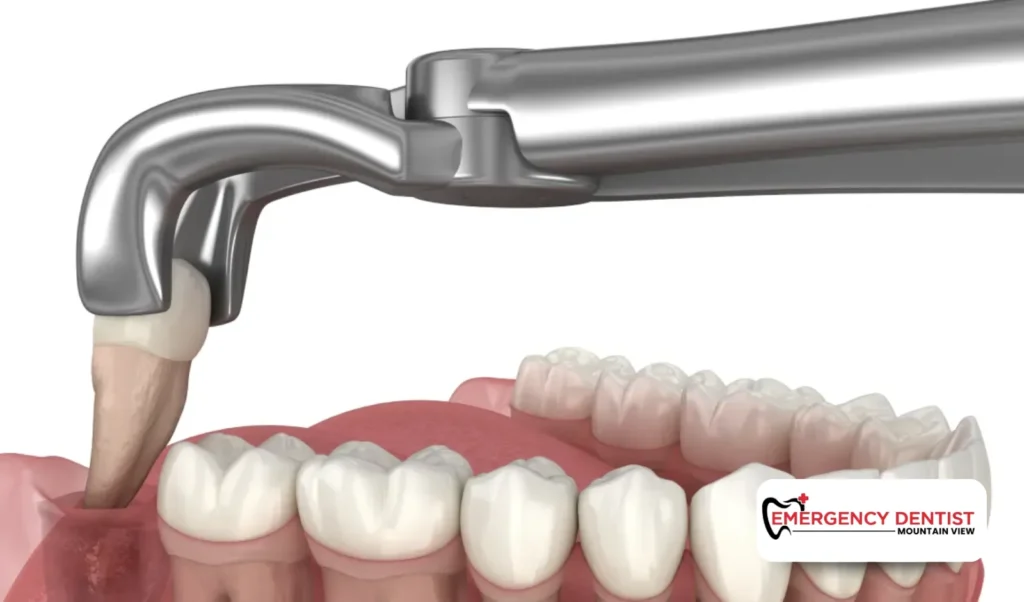
In severe cases where the tooth is beyond repair, removal may be required, followed by tooth replacement options.
Only a professional dentist can determine the best treatment after examining your tooth.
When to See an Emergency Dentist in Mountain View
Even if there’s no pain, you should contact an Emergency Dentist in Mountain View when you notice a chipped or cracked molar tooth in a no pain situation. Early evaluation can prevent further damage and save you from expensive treatments.
You should visit an emergency dentist if:
- The damaged area has a sharp or rough edge.
- You notice sensitivity to hot, cold, or sweet foods and drinks.
- The crack appears to be getting larger or more noticeable.
- You feel pressure or discomfort when chewing.
- The tooth starts to change color or looks darker than normal.
- There is swelling, bad odor, or light bleeding around the tooth or gums.
An Emergency Dentist in Mountain View can assess the severity of the chip or crack, provide immediate relief if there’s pain, and recommend the right treatment to restore your smile and protect your oral health.
Why Timing Matters: Early Treatment Saves Teeth
Most dental emergencies do not start with pain, in fact, they begin silently. A chipped tooth no pain molar may not cause discomfort today, but the damage could be spreading beneath the surface. As time goes on, the crack may grow deeper, reaching the nerve and eventually causing infection, sensitivity, and even tooth loss.
That’s why early treatment is always better, both medically and financially. Fixing a tooth early with bonding or a small crown is much cheaper than treating it later with a root canal, abscess treatment, or extraction.
Preventing Future Chips and Cracked Teeth
Protecting your molars from damage starts with good habits. Here’s how to reduce your risk of chipping a molar:
- Avoid chewing ice, hard candies, or non-food items.
- Wear a mouthguard if you grind your teeth or play sports.
- Keep up with regular dental checkups.
- Don’t use your teeth to open bottles or packaging.
- Treat cavities and wear them early to strengthen tooth structure.
Prevention is always easier, and more affordable than repair.
Conclusion
A chipped molar tooth may appear harmless, but it is an important warning sign that should not be ignored. Even in the absence of discomfort, a crack or chip can weaken the tooth’s structure, increase the risk of decay, and potentially lead to long-term dental complications. Whether the damage is minor or involves a deeper crack, seeking timely professional care can protect your oral health and help prevent the need for more extensive and costly treatments in the future.
If you have recently noticed a chipped tooth with no pain molar, it is advisable not to delay. Schedule an appointment with an Emergency Dentist in Mountain View to have the tooth properly evaluated and treated before it progresses into a more serious dental concern.
Frequently Asked Questions
Is a chipped molar tooth without pain still a cause for concern?
Yes. A chipped molar tooth may still have structural or internal damage that can lead to tooth decay, nerve involvement, or infection if untreated.
Can a chipped tooth repair itself naturally?
No. Teeth cannot naturally repair a chip or crack. Only dental treatment can restore the tooth’s strength and function.
What treatment options are available for a chipped molar tooth?
Depending on severity, dentists may use dental bonding, crowns, inlays, veneers, or a root canal for deeper cracks.