
Does Tooth Extraction Hurt? A Patient’s Healing Guide

When it’s time for a tooth removal, many patients wonder, “Does tooth extraction hurt?” It’s a natural concern, as dental visits often cause anxiety. Whether you need simple extractions or more complex surgical extractions, understanding what to expect helps reduce stress. If urgent treatment is needed, an Emergency Dentist in Mountain View can ensure your procedure is handled safely and with minimal discomfort.
Understanding Tooth Extraction
A tooth extraction is when a dentist removes a tooth from its socket in the jawbone. This is typically recommended when a tooth is severely damaged due to decay, trauma, or infection. There are two main types:
- Simple extractions: The dentist loosens and removes a visible tooth. You may still feel pressure, but not sharp pain.
- Surgical extractions: A small cut may be made in the gum tissue to remove a tooth that is broken or impacted.
Both approaches are routine and performed with the goal of minimizing discomfort and promoting a smooth healing process.
Does a Tooth Extraction Hurt During the Procedure?
Patients frequently ask, “Does a tooth extraction hurt during the procedure?” Thanks to modern methods, the answer is usually no. Before beginning, the dentist will numb the area with local anesthesia, ensuring you don’t feel sharp pain. While you may notice pressure or movement, it’s generally not painful. In more complicated cases, sedation may also be provided to help you relax. These steps ensure that any extraction hurt is minimal, and most patients find the process easier than they anticipated.
Does Tooth Extraction Hurt After the Procedure?
Another concern is, “Does tooth extraction hurt after?” Once the anesthesia wears off, some soreness is expected. Pain and swelling usually peak within the first 24 hours and may last up to 48 hours before improving. During this time, the healing process begins as a blood clot forms in the socket. This clot is essential, it protects the bone and nerves while new gum tissue develops.
If the clot doesn’t form properly or becomes dislodged, it can lead to dry socket, a very painful condition that slows healing. Symptoms can include severe pain, bad breath, or an unpleasant taste. Carefully following your dentist’s instructions is the best way to avoid this complication.
Common Side Effects and Risks

It’s normal to experience side effects such as mild bleeding, swelling, and soreness after an extraction. These generally fade within a few days. However, potential complications include:
- Dry socket: Strong pain caused by a missing or dislodged blood clot.
- Infection: Watch for signs of infection like fever, worsening swelling, pus, or foul taste.
If these issues arise, be sure to contact your dentist quickly. Early care is key to protecting your oral health.
Pain Management After Extraction
The good news is that discomfort is usually manageable. Your dentist may prescribe pain medication, or you can rely on over-the-counter options for counter pain like ibuprofen or acetaminophen. Applying an ice pack in short intervals during the first day helps reduce both pain and swelling.
Resting during the first 24 hours is very important. Afterward, gently rinse your mouth with warm salt water to reduce bacteria and keep the area clean without disturbing the clot.
Diet is another key part of recovery. Patients should eat soft foods such as yogurt, scrambled eggs, smoothies, and mashed potatoes. Avoid crunchy or spicy foods until your dentist advises otherwise. Eating soft food makes healing more comfortable and prevents irritation at the extraction site.
Supporting Oral Health During Recovery
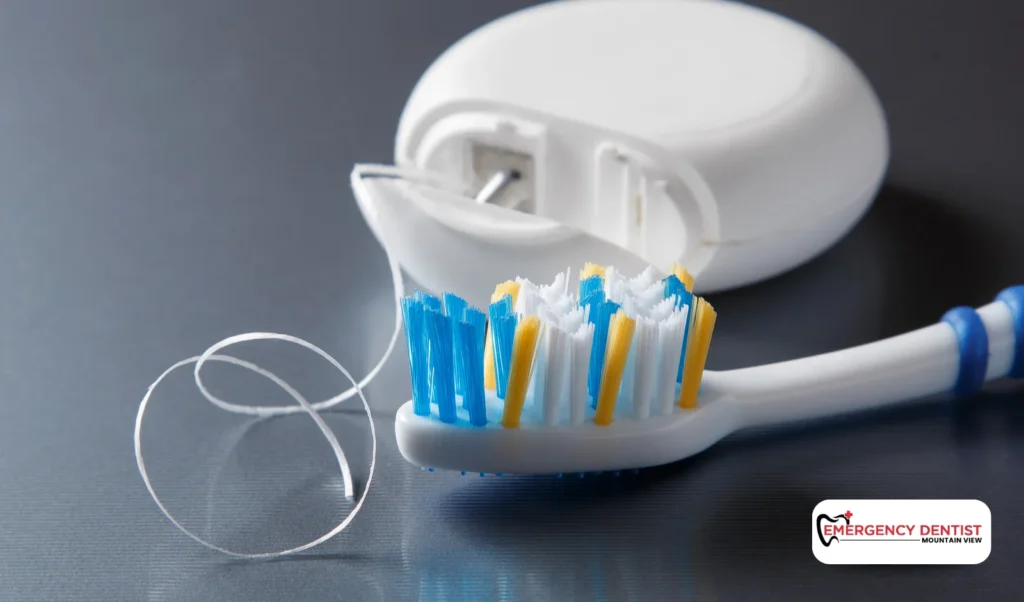
Even after a tooth has been removed, caring for your mouth is essential. For the first couple of days, avoid brushing directly on the extraction site, but continue brushing and flossing the other teeth. Practicing gentle hygiene protects the gum tissue, lowers the chance of infection, and supports the healing process. Following your dentist’s aftercare guidance ensures your oral health stays strong while you recover.
When to See an Emergency Dentist in Mountain View
Most extractions heal without complications, but professional help may be needed in some cases. If you find that tooth extractions hurt more than expected, or if pain worsens instead of improving, it may signal an issue. Watch for swelling that doesn’t go down, bleeding that continues, or other signs of infection such as fever, pus, or a foul taste.
In these cases, an Emergency Dentist in Mountain View can examine the site, provide stronger pain management, and treat complications early. Seeking care quickly helps ensure a smooth recovery and peace of mind.
Conclusion
So, does tooth extraction hurt? With modern dental care, the procedure itself is usually painless. Some soreness afterward is expected, but it can be managed with pain relievers, warm salt water rinses, an ice pack, and a soft food diet. Resting for the first 24-48 hours is also essential for proper healing.
Whether you’re asking if a tooth extraction hurts, wondering if tooth extractions hurt during the procedure, or concerned about whether tooth extraction hurts after the first day, the answer is that discomfort is temporary and manageable. With proper aftercare, awareness of risks like dry socket, and knowing when to contact an Emergency Dentist in Mountain View, you can protect your oral health and recover smoothly.