

Practical Tips to Prevent
Sports Dental Injuries
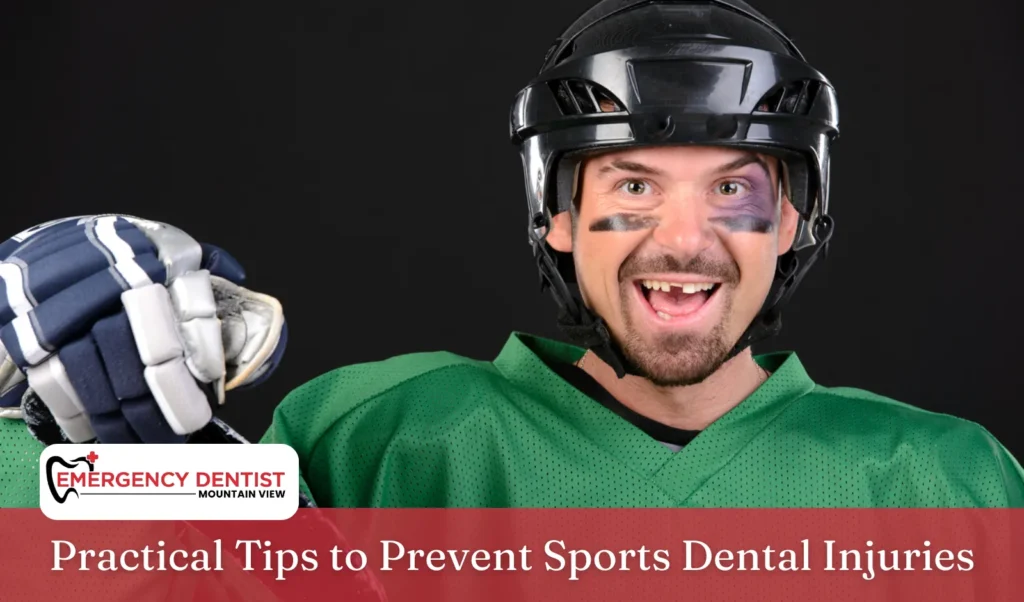
Sports are a great way to stay active, build discipline, and strengthen your body, but they can also put your smile at risk. Every year, thousands of athletes suffer sports-related dental injuries such as tooth fractures, jaw fractures, or even tooth avulsion. Whether you’re a student athlete, recreational player, or professional, understanding how to prevent sports dental injuries is essential for maintaining your oral health and confidence on the field.
Contact sports like football, basketball, hockey, and boxing pose a high risk of facial impacts. Even non-contact activities like gymnastics, baseball, or cycling can result in unexpected dental traumas from falls or collisions. Fortunately, most of these injuries can be prevented by using proper protective equipment, especially a well-fitted mouth guard. If a dental emergency does happen, visiting an Emergency Dentist in Mountain View can help save your tooth and prevent long-term complications.
In this blog, you’ll learn effective strategies to prevent sports dental injuries, explore the types of mouthguards available, and understand how a customized mouthguard can protect you from serious oral injury and long-term damage.
Common Sports-Related Dental Injuries
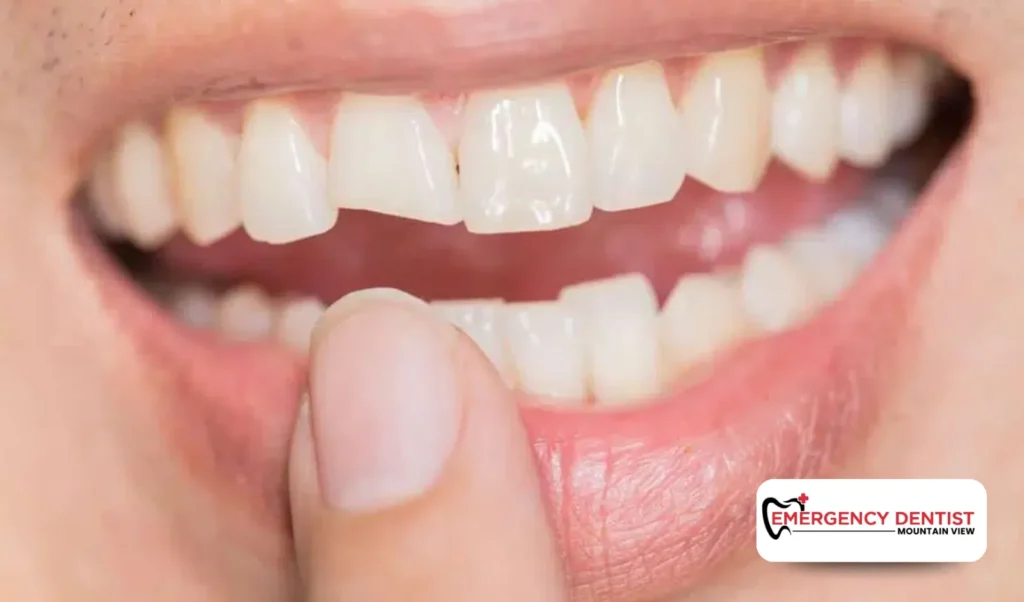
Sports-related dental injuries can happen to anyone, regardless of age or skill level. These injuries vary in severity but share one thing in common, they require immediate attention to protect your teeth and gums.
Here are the most frequent types of dental injuries:
- Tooth fractures: Cracks or breaks in the enamel due to sudden impact.
- Tooth avulsion: A tooth that’s completely knocked out of its socket.
- Soft tissue injuries: Cuts, bruises, or tears affecting the lips, tongue, or inner cheeks.
- Jaw fractures: Strong blows that dislocate or fracture the jawbone.
Even minor chips can weaken teeth and lead to future problems. Prioritizing preventive dental care keeps your smile strong and helps reduce the risk of lasting damage.
How to Prevent Sports Dental Injuries
The most effective way to prevent sports dental injuries is by wearing a mouthguard during every game and practice session. A quality mouth guard acts as a protective barrier, absorbing shock to minimize the force of impacts that can cause tooth fractures or soft tissue injuries.
Here are some preventive measures you can take:
- Always wear protective equipment: Helmets, chin straps, and face shields work with mouthguards to reduce the impact of collisions.
- Ensure a proper fit: Ill-fitting mouthguards can be uncomfortable and less protective.
- Maintain good oral hygiene: Strong teeth and gums are more resistant to injury and fractures.
- For athletes who wear braces: Choose a customized mouthguard designed to protect both teeth and orthodontic appliances.
By taking these precautions, you’ll be reducing the risk of oral injury and ensuring your smile stays protected while performing at your best.
Types of Mouthguards and Their Benefits
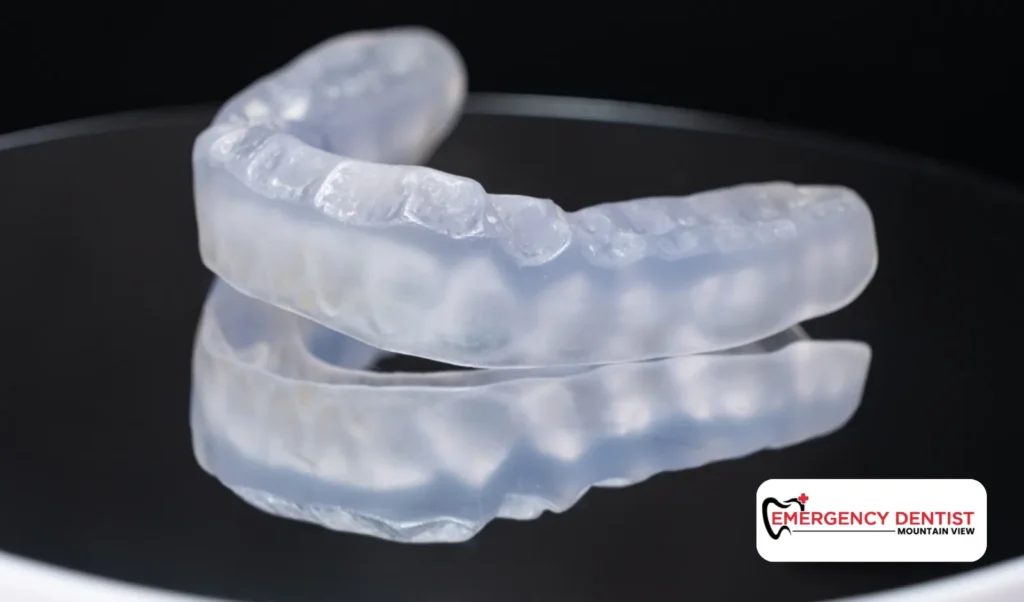
When it comes to preventing dental injuries, not all mouthguards are created equal. Understanding the types of mouthguards helps you choose one that provides the right balance of comfort, cost, and protection.
- Stock Mouthguards
Stock mouthguards are pre-made and sold ready to use. While they’re affordable, they often fit poorly, making breathing and speaking difficult. Because of their limited adjustability, they offer minimal protection against dental traumas and are not recommended for active or competitive athletes.
- Boil and Bite Mouthguards
Boil and bite mouthguards are made from a thermoplastic material that softens when placed in hot water. After heating, you bite into the material to mold it around your teeth. They fit better than stock versions and provide moderate protection, making them a popular choice for amateur and youth athletes.
- Customized Mouthguards
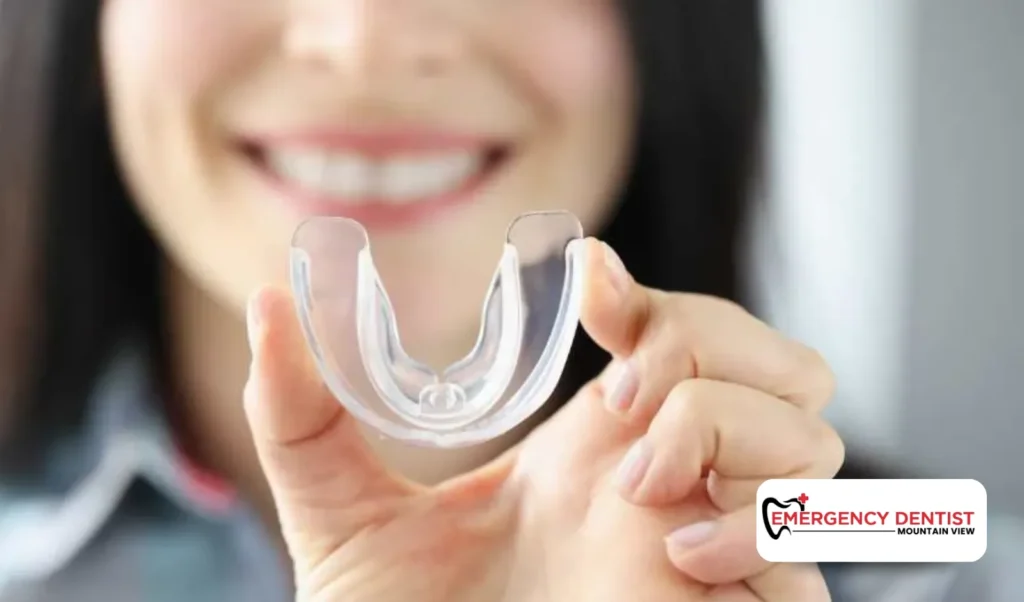
A customized mouthguard is designed by your dentist using impressions of your teeth for a perfect fit. It offers maximum protection against tooth fractures, jaw fractures, and soft tissue injuries while allowing natural breathing and speaking.
The American Dental Association and National Federation of State High School Associations recommend customized mouthguards because they:
- Provide a personalized fit for maximum comfort and stability.
- Improve performance by allowing clear speech and easy breathing.
- Offer long-lasting durability and superior material quality.
- Deliver full coverage for the teeth, lips, tongue, and jaw.
Investing in a customized mouthguard not only safeguards your smile but also boosts your confidence knowing your teeth are fully protected.
Extra Tips for Preventing Dental Injuries
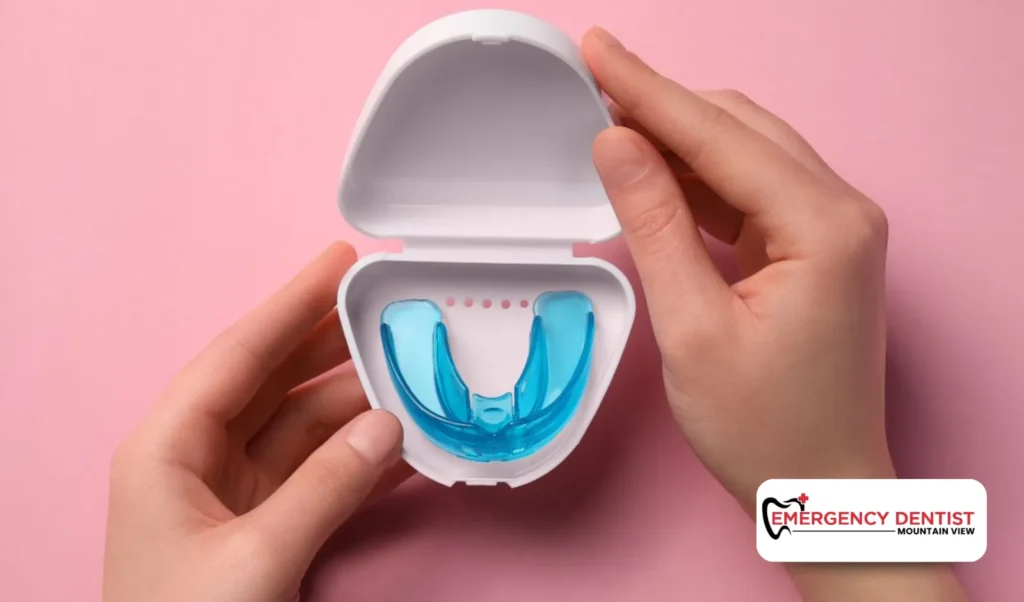
While wearing a mouthguard is vital, complete protection involves additional preventive habits. Follow these simple yet effective steps to keep your smile healthy and injury-free:
- Schedule regular dental check-ups to identify early wear or cracks.
- Replace mouthguards when they become worn, lose shape, or stop fitting snugly.
- Use protective equipment appropriate for your sport, including helmets and face masks.
- Avoid chewing hard items like ice or pen caps that weaken enamel.
- Warm up before playing to relax your jaw muscles and enhance flexibility.
These habits work together in reducing the risk of serious sports-related dental injuries while promoting long-term oral health.
When to Visit an Emergency Dentist After a Sports Injury
Even the most careful athlete can experience a sudden oral injury. Acting quickly makes a huge difference in recovery and can often save a damaged tooth.
Seek immediate care from an Emergency Dentist in Mountain View if you experience any of the following:
- A tooth avulsion (a completely knocked-out tooth)
- Deep tooth fractures or cracks
- Heavy bleeding or torn soft tissue injuries
- Persistent jaw pain, swelling, or difficulty closing your mouth
If your tooth is knocked out, keep it moist in milk or saline solution and reach a dentist within 30 minutes. Quick action gives your tooth the best chance of being saved and reattached.
Conclusion
Your teeth deserve the same level of protection as your head and body. Using a customized mouthguard and appropriate protective equipment is a simple yet powerful way to prevent sports dental injuries.
Preventing dental injuries is far easier, and less expensive, than repairing them later. By wearing a mouthguard, maintaining good oral hygiene, and visiting your dentist regularly, you can enjoy your sport without fear of dental emergencies.
If an accident does occur, an Emergency Dentist in Mountain View is ready to provide fast, professional care to restore your smile and get you back in the game pain-free.
Frequently Asked Questions
What is the most effective way to prevent sports dental injuries?
Wearing a mouthguard and using proper protective equipment such as helmets or face shields are the most reliable ways to minimize injury risk.
Are customized mouthguards worth the investment?
Yes. A customized mouthguard offers superior protection, comfort, and durability compared with stock mouthguards or boil and bite mouthguards.
Can athletes who wear braces use mouthguards?
Absolutely. A customized mouthguard is designed to protect both the teeth and braces, minimizing potential damage during sports activities.
How often should athletes replace their mouthguards?
Replace your mouthguard at least once a year or sooner if it shows wear, loses shape, or no longer fits properly.