
Smoking After Tooth Extraction: Risks and Recovery Guide
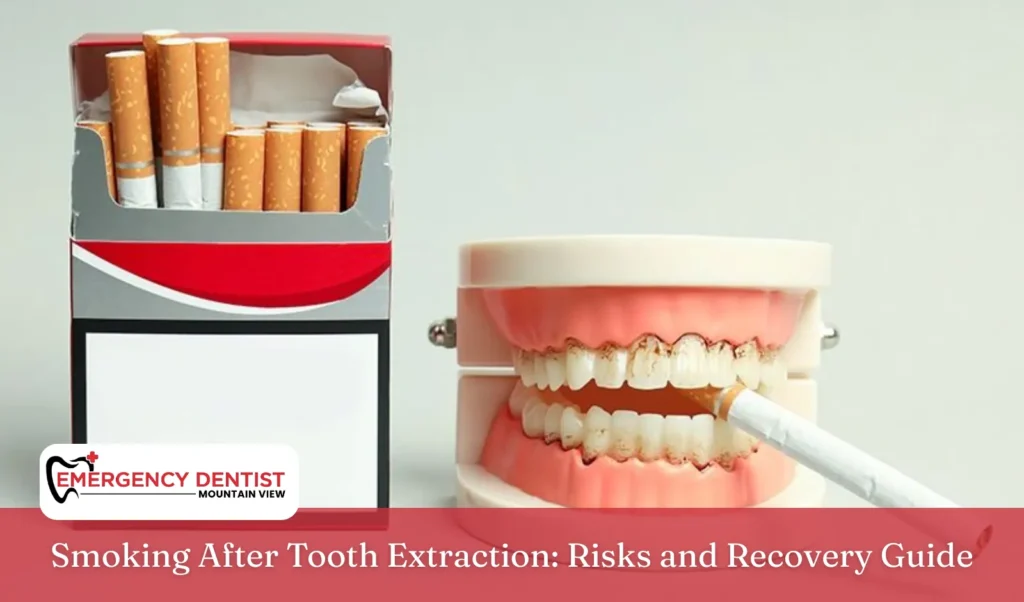
Having teeth extracted is never easy, and the care you take afterward plays a big role in how quickly you recover. Many patients ask: when can I smoke after tooth extraction? For those going through a wisdom tooth extraction or full wisdom teeth removal, another common concern is: when can I smoke after wisdom tooth extraction? Whether it’s a single tooth extraction or several teeth extracted through oral surgery, knowing how smoking after a tooth removal affects the healing process can help you avoid a painful condition like dry socket and protect your long-term oral health.
Why You Should Avoid Smoking After Tooth Extractions
Right after tooth extractions, a blood clot forms in the empty socket. This clot covers bone and nerves while creating the foundation for proper healing. If it becomes loose or dissolves too soon, the result is dry socket, also called alveolar osteitis.
Cigarette smoking is a major risk factor for this complication. The suction from inhaling can easily dislodge the blood clot, while the chemicals in cigarettes slow blood flow and tissue repair. Together, these issues delay the healing process and greatly increase the risk of complications during the post extraction period. That’s why dentists stress the importance of avoiding smoking after any type of oral surgery.
When Can I Smoke After Tooth Extraction?
Dentists usually recommend waiting at least 72 hours before smoking after tooth extractions. This window allows the clot to stabilize and reduces the risk of dry socket. Some patients ask if smoking is safe after just 24 hours, but doing so significantly increases the risk of pain and infection.
If you’ve had a wisdom tooth extraction or full wisdom teeth removal, you’ll need to be even more patient. These sockets are larger and harder to keep clean, which slows down recovery. Many dentists recommend waiting up to a full week before resuming cigarette smoking or using tobacco products.
So, how long after tooth extraction can I smoke? The safest answer is: as long as possible, at least three days, and ideally longer, to give your mouth the best chance at proper healing.

Risks of Smoking Too Soon
Smoking after a tooth extraction exposes the extraction site to harmful toxins. Nicotine and carbon monoxide reduce oxygen in the blood, slowing the body’s natural repair system. The heat and chemicals from cigarette smoking also irritate delicate gum tissue, increasing the risk of infection.
The most serious complication is dry socket. Without the protective clot, the bone and nerves are exposed, leading to sharp pain that may spread to the ear, jaw, or temple. Patients with alveolar osteitis often describe throbbing pain that interferes with eating, talking, and sleeping. This painful condition not only delays the healing process but also requires additional dental care. Since smoking is a major risk factor, avoiding it is the best way to protect your recovery.
Tips for Safer Recovery
If you smoke, it’s important to give your mouth time to heal. Here are a few tips to reduce the risk of complications and protect your oral health:
- Avoid smoking for at least 72 hours. Longer is even better.
- Eat soft foods. Options like yogurt, mashed potatoes, and applesauce are gentle and protect the clot.
- Practice good oral hygiene. Rinse with warm salt water and brush carefully around the extraction site without disturbing it.
- Follow your dentist’s advice. Everyone’s healing process is different, so rely on professional guidance.

When to See an Emergency Dentist
Even if you avoid smoking, problems can still happen. If you notice severe pain, bad breath, or an empty-looking extraction site, you may have dry socket. In these cases, contacting an Emergency Dentist in Mountain View ensures you get quick relief and proper care. Prompt treatment can ease pain, lower the risk of complications, and get your recovery back on track.
Conclusion
So, can I smoke after tooth extraction? Yes, but only once your mouth has healed. Waiting at least 72 hours, and ideally longer, lowers the risk of dry socket. For wisdom tooth extraction or wisdom teeth removal, patients often ask: when can I smoke after wisdom tooth extraction? The safest guideline is to wait at least three days, though more time allows for safer, smoother recovery.
By avoiding smoking, steering clear of tobacco products, eating soft foods, and keeping up with good oral hygiene, you’ll protect the extraction site and improve your overall oral health. If problems arise, see an Emergency Dentist in Mountain View. Taking these steps after tooth extractions lowers your chance of a painful condition and helps you avoid complications linked to this major risk factor.