

Sports With the Highest Rate of Dental Injuries: An Overview
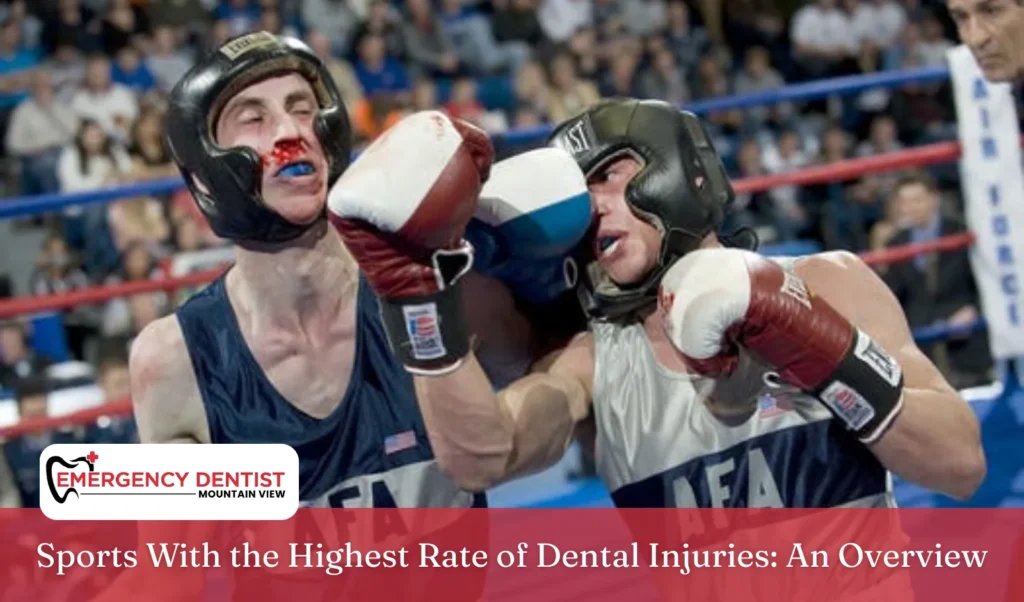
Playing sports is a great way to stay active and competitive, but it also comes with risks. Among them, sports-related dental injury is one of the most common yet overlooked. Across the United States, many athletes experience dental trauma each year, from small chips to serious orofacial injuries.
Knowing which sport has a higher rate of dental injuries helps athletes take the right precautions. This guide covers the sports with the greatest risk, how mouth guards and custom mouthguards prevent injuries, and when to see an Emergency Dentist in Mountain View.
Understanding Sports-Related Dental Injuries
A common dental injury in sport occurs when the teeth, gums, or mouth are damaged during physical activity. These can include:
- Fractured or chipped teeth
- Crown fractures, where part of the visible tooth breaks off
- Soft tissue injuries such as cuts to the lips or tongue
- Tooth displacement or avulsion, when a tooth is completely knocked out
These orofacial injuries are especially common in contact sports, where players frequently collide. Without proper protective equipment, even a minor hit can result in significant dental trauma or damage to permanent teeth.
Which Sports Have the Highest Rate of Dental Injuries

According to studies supported by American Dental associations, contact sports have the highest rate of oral injury in sport. The most common culprits are football, basketball, hockey, boxing, and field hockey.
- Basketball: One of the top causes of orofacial injury, largely because players rarely wear athlete’s mouthguards or facial protection.
- Football: Although helmets are standard, they don’t fully prevent soft tissue injuries and dental trauma from tackles and falls.
- Hockey and Boxing: Both involve fast-paced, high-impact contact, leading to a higher risk of broken or displaced teeth.
- Field Hockey: Sticks, flying balls, and frequent player contact make this sport a leading cause of crown fractures and dental injuries.
Even non-contact or organized sports like baseball, gymnastics, or soccer pose a risk, especially when players skip wearing protective gear such as custom mouthguards.
Why Contact Sports Carry the Greatest Risk
The speed, strength, and impact of contact sports create an environment where dental trauma is likely. A stray elbow, puck, or ball can cause major injuries in seconds.
Children and teens, in particular, are vulnerable. Many pediatric dentistry cases involve chipped or broken teeth caused by organized sport activities. Because their permanent teeth are still developing, these injuries can have long-term effects if left untreated.
How Mouth Guards Prevent Dental Injuries
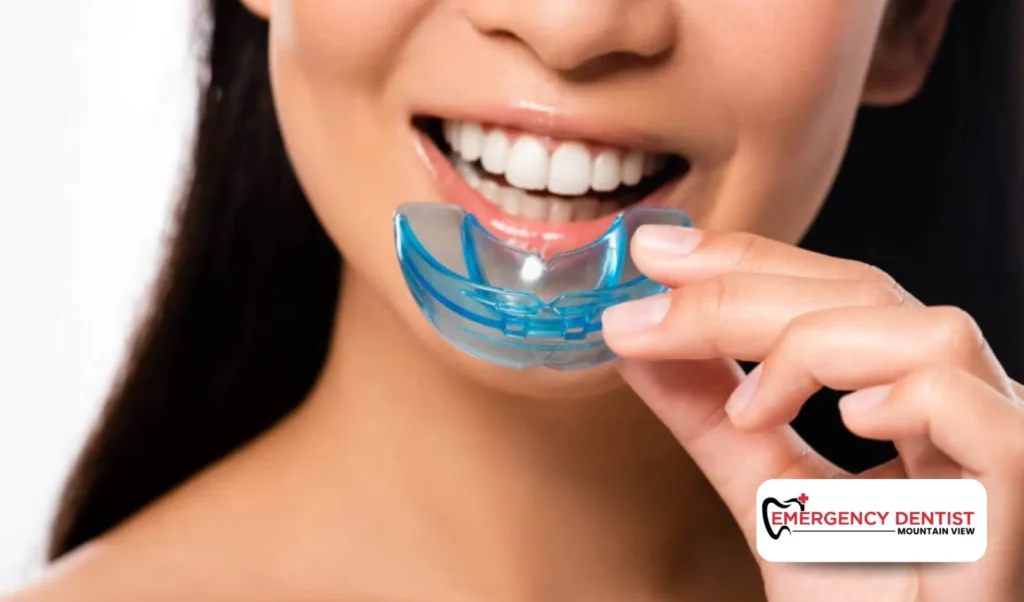
Wearing a mouth guard is one of the best ways to reduce the risk of sports-related dental injury. Mouth guards act as a cushion, absorbing impact and minimizing damage to teeth and soft tissues.
There are three main types of mouth guards:
- Boil and Bite Mouthguards: Store-bought and molded at home, but they often fit poorly.
- Custom Fitted Mouthguards: Created by a dentist for a precise fit and maximum comfort.
- Custom Fit Mouthguards for Athletes: Specially designed to protect during intense physical contact, allowing for easier breathing and talking.
According to the American Dental Association, athletes who use custom mouthguards are much less likely to suffer dental trauma or soft tissue injuries than those who don’t.
Why Custom Mouthguards Are the Best Choice
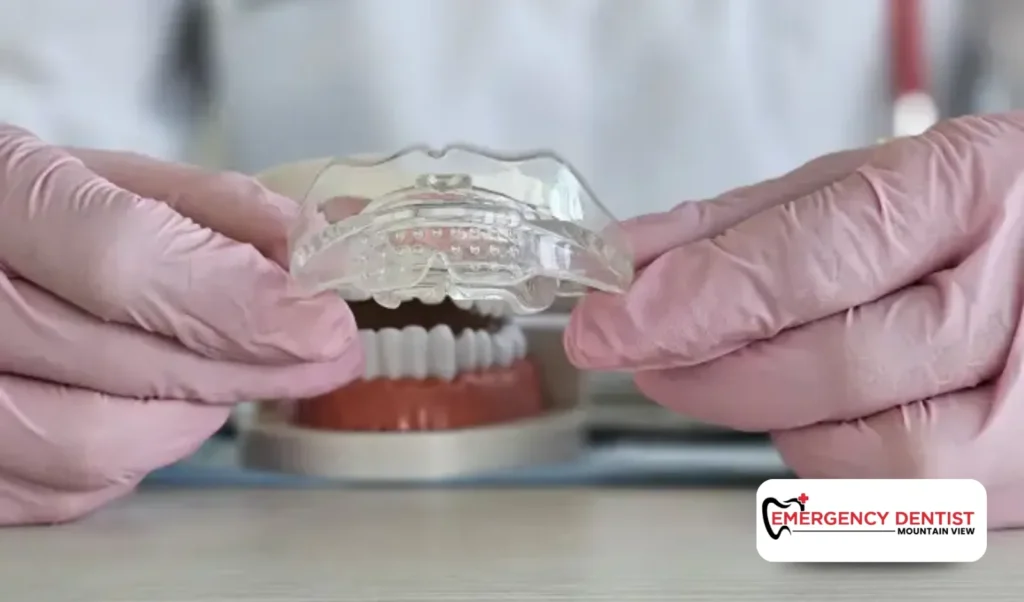
A custom fitted mouthguard offers superior protection because it’s made specifically for your teeth and bite. Unlike boil and bite options, they don’t lose shape, slip, or cause discomfort.
In sport dentistry, custom mouthguards are considered essential protective equipment, especially for youth and professional athletes. Benefits include:
- Preventing crown tooth fractures and chipped teeth
- Reducing the force of jaw impact
- Protecting gums and soft tissues from cuts or bruising
- Ensuring better airflow for easier breathing during games
Wearing a custom fit mouthguard can dramatically reduce the risk of both minor and severe dental trauma.
Tips for Preventing Sports-Related Dental Injuries
To minimize your risk of a dental injury in sport, follow these prevention steps:
- Always wear proper protective gear, including helmets and mouth guards.
- Visit your dentist regularly for dental exams and mouthguard fittings.
- Replace damaged or worn custom mouthguards before each season.
- Encourage kids in pediatric dentistry programs to wear custom fitted mouthguards consistently.
- Maintain strong oral hygiene to keep enamel resilient.
When to See an Emergency Dentist
If a tooth breaks, cracks, or gets knocked out during a game, visit an Emergency Dentist in Mountain View right away. Acting quickly, ideally within 30 minutes, can mean the difference between saving or losing a tooth.
Hold the tooth by the crown (not the root), rinse it gently with milk or saline, and try to reinsert it in the socket. If that’s not possible, store it in milk or inside your cheek while heading to the dentist. Quick action can help preserve your natural tooth and prevent further complications.
Conclusion
So, which sports have the highest rate of dental injuries? Contact sports like football, basketball, hockey, boxing, and field hockey lead the list. With custom mouthguards, protective gear, and proper dental care, athletes can stay safe.
If a dental emergency occurs, an Emergency Dentist in Mountain View can restore your smile and protect your teeth.