
Swollen Jaw on One Side: Dental Causes and Care Tips
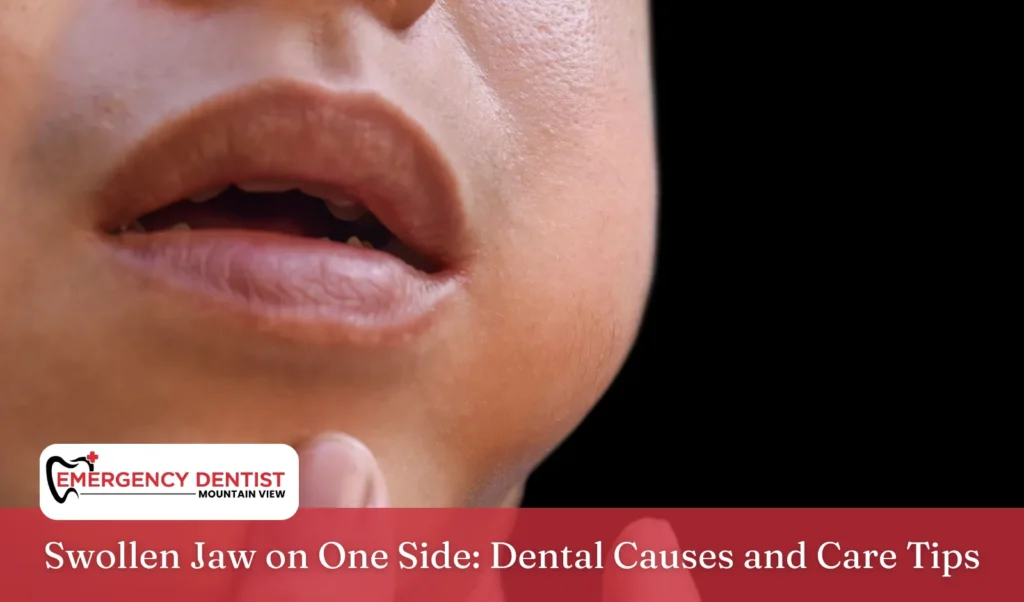
A swollen jaw on one side can be uncomfortable and worrying, especially when it happens suddenly. While it may seem minor, a sudden swollen jaw on one side can indicate deeper dental or health issues that require prompt care.
From gum disease and bacterial infection to salivary gland stones or an impacted wisdom tooth, several problems can cause swelling in your jaw. This guide covers the main causes, symptoms, and treatments. If swelling continues, visit an Emergency Dentist in Mountain View for proper diagnosis and care.
Common Causes of Swelling in the Jaw
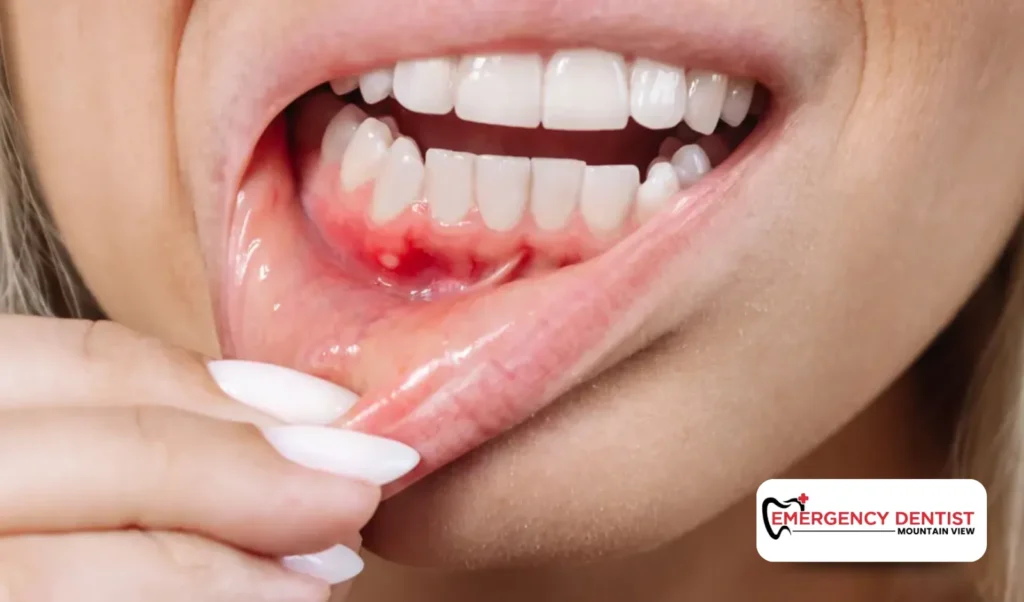
A jaw swollen one side may stem from dental, glandular, or joint-related issues. Below are the most frequent causes and what they mean for your oral health.
1. Dental Abscess or Tooth Infection
A dental abscess develops when a bacterial infection reaches the tooth’s inner pulp or nearby gums. It causes pain, pus buildup, and swelling in the jaw that may spread to your cheek or lymph nodes. If untreated, it can affect the glands located near the side of your face. Treatment varies depending on severity and may include antibiotics, a root canal, or tooth extraction.
2. Gum Disease
Untreated gum disease allows bacteria to grow below the gum line, leading to inflammation and swelling in your jaw. Over time, this weakens the bone and tissue supporting your teeth. Good oral health habits, brushing, flossing, and regular checkups, are key to preventing the infections that cause swelling.
3. Impacted or Infected Wisdom Tooth
A wisdom tooth that partially erupts can trap food and bacteria, causing infection or inflammation. This often results in a swollen jaw, stiffness, or a sore throat. If swelling continues, tooth extraction may be needed to protect your oral health.
4. Salivary Gland Stones or Infection
Salivary gland stones form when minerals block saliva flow, leading to pain and swelling in the jaw, especially while eating. These glands are located under your tongue and along the side of your face. A viral infection or dehydration can worsen the blockage. Warm compresses, hydration, or gentle massage can help, but persistent swollen glands require dental care.
5. Temporomandibular Joint (TMJ) Disorders
The temporomandibular joints on each side of your face help move your jaw. Stress, teeth grinding, or poor posture can strain these joints, causing stiffness and swelling in your jaw. Using a mouthguard, managing stress, and avoiding hard foods can ease discomfort.
6. Swollen Lymph Nodes and Glands
When your body fights a bacterial or viral infection, nearby lymph nodes or swollen glands may enlarge, often with a sore throat or dental infection. This swelling usually improves as you recover, but persistent swelling may require prompt professional attention.
When to See a Dentist
While mild swelling might improve on its own, some issues require prompt professional care. If you experience severe pain, fever, or swelling that worsens, see an Emergency Dentist in Mountain View right away. Infections around the teeth or jaw can spread quickly and may require antibiotics, drainage, a root canal, or tooth extraction, depending on the cause.
Home Remedies and Pain Relief

You can temporarily manage discomfort while waiting for professional treatment:
- Apply a cold compress to reduce swelling in your jaw.
- Take anti-inflammatory or counter pain relievers as directed.
- Rinse your mouth with warm salt water to reduce bacteria.
- Avoid chewing on the affected side to prevent irritation.
These steps can provide short-term relief but should not replace dental care.
Prevention and Long-Term Care
To prevent swelling in the jaw, maintain consistent oral hygiene habits. Brush twice daily, floss regularly, and schedule cleanings every six months. Stay hydrated to reduce the risk of salivary gland stones, and address gum disease or jaw pain early. Preventing the infections that affect your gums and teeth is the best way to keep your jaw healthy and pain-free.
Conclusion
A swollen jaw on one side can develop from various causes, including gum disease, salivary gland infections, or an impacted wisdom tooth. Ignoring the problem can worsen pain or lead to serious complications. Visit an Emergency Dentist in Mountain View for a complete evaluation and treatment plan. Early care not only reduces pain and swelling in your jaw but also helps preserve your oral health long-term.