

Tooth Extraction Healing Stages: Quick Recovery Guide
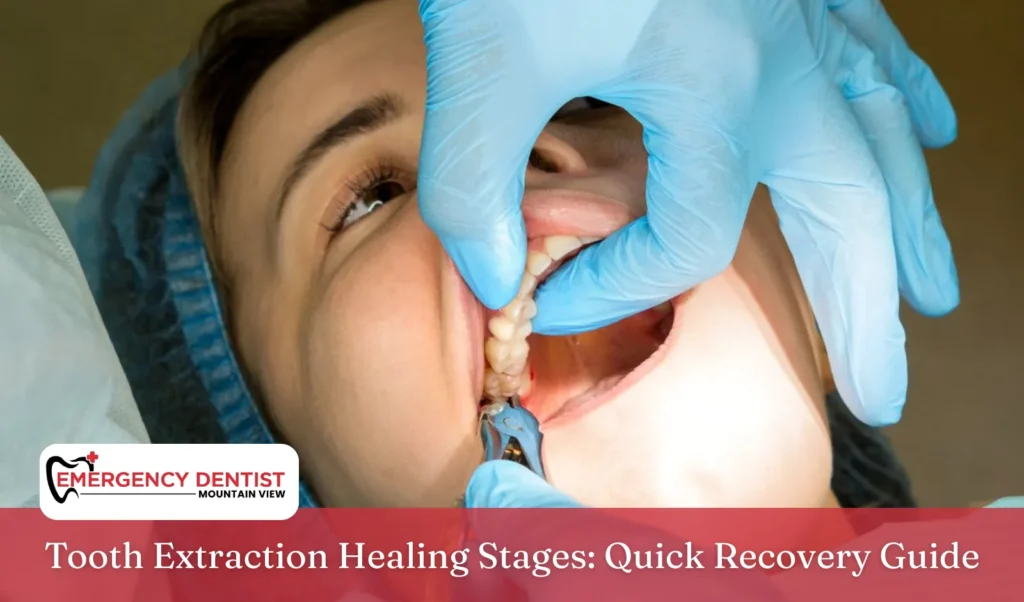
Having a tooth removed can feel stressful, but understanding the tooth extraction healing stages helps you manage recovery with confidence. Whether it’s a simple or surgical extraction, knowing how the healing process works allows you to protect your oral health, prevent complications, and achieve complete healing comfortably. For urgent dental concerns, an Emergency Dentist in Mountain View can provide fast relief and professional care to help restore your smile.
The Healing Stage of Tooth Extraction
The healing stage of tooth extraction occurs in several steps, each essential for recovery. Immediately after the tooth is removed, a blood clot forms in the socket. This clot covers the bone and nerves, protecting them from exposure while creating the foundation for new gum tissue and bone growth.
Over the next few days, mild pain and swelling are normal as your body begins repairing soft tissue around the tooth socket. Any discomfort can usually be controlled with prescribed or over-the-counter pain relievers.
After about one to two weeks, you’ll notice the blood clot forming into new tissue that closes the area. Swelling should gradually decrease, and your gums begin to reshape. The final phase, called complete healing, can take several weeks, as the jawbone fills in naturally. Healing times may vary depending on your overall health, age, and the complexity of your extraction.
Avoiding Dry Socket and Preventing Infection
One of the most common post-extraction issues is dry socket. This happens when the blood clot that forms in the socket becomes dislodged or dissolves too early, exposing the bone and nerves underneath. Without the clot, the area cannot heal properly, often leading to sharp pain, delayed recovery, and possible infection.
Dry socket is more likely if you dislodge the blood clot by using a straw, rinsing too aggressively, or spitting forcefully. Smoking is another major risk, it reduces blood flow and slows the healing process. Maintaining good oral hygiene is vital, but be cautious with brushing and flossing near the extraction site to avoid disturbing it.
To help prevent infection, follow all post-extraction instructions from your dentist closely. If you experience severe pain several days after the procedure, or if there’s a foul odor, it’s important to contact an Emergency Dentist in Mountain View right away.
Supporting the Healing Process
To keep your post-extraction recovery smooth, focus on protecting the clot and reducing irritation. After the extraction, your dentist will place a gauze pad over the area. Bite down gently for about 15 minutes to stop bleeding and allow the clot to stabilize.
During the first 24 hours, rest and avoid disturbing the extraction site. Apply an ice pack to your cheek in short intervals to reduce swelling and relieve discomfort. Stick to soft foods like yogurt, soup, and mashed potatoes, and avoid chewing near the treated area.
When cleaning your teeth, continue brushing and flossing the rest of your mouth to maintain good oral hygiene, but avoid direct contact with the socket. Once your dentist approves, gently rinsing with warm salt water will keep the area clean and support the healing process.
If you have soreness or mild swelling, pain relievers can help you stay comfortable. Following these steps not only protects the blood clot forming but also promotes steady progress toward complete healing and a healthy recovery.
Key Do’s and Don’ts After Extraction
To encourage a smooth recovery, keep these key points in mind:
Do:
- Keep the area clean and practice good oral hygiene.
- Replace the gauze pad as instructed and rest for the first day.
- Eat soft foods and stay hydrated.
- Use a cold compress to reduce swelling and support the healing process.
Don’t:
- Avoid smoking, as it disrupts the blood clot forming and delays recovery.
- Don’t rinse too hard or spit forcefully, this could dislodge the blood clot.
- Don’t touch the area with your tongue or fingers.
- Don’t eat crunchy or hard foods that could irritate the site.
By following these guidelines, you help your gum tissue heal properly and lower the risk of complications.
Recognizing Complications After Extraction
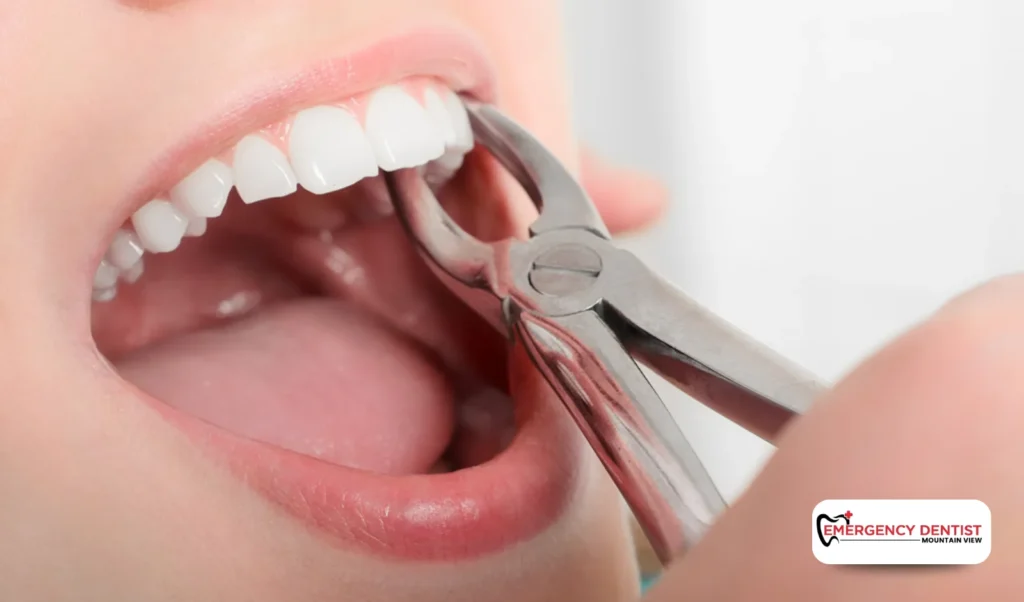
Some pain and swelling are completely normal after a tooth extraction, but certain warning signs mean you should act fast. If you experience heavy bleeding, severe pain that doesn’t improve with pain relievers, or signs of infection such as fever, swelling that worsens, or a foul odor, don’t ignore them. These may signal complications affecting your healing stage of tooth extraction.
For urgent cases, an Emergency Dentist in Mountain View can provide immediate care to relieve pain, prevent infection, and ensure the healing process continues safely. Quick attention can make all the difference in protecting your oral health and preventing long-term issues.
Conclusion
The healing stage of tooth extraction takes time, but with proper care and patience, you can recover comfortably and safely. Protect the blood clot that forms, follow your dentist’s instructions, and avoid habits that could dislodge the blood clot. Using a gauze pad for about 15 minutes, applying an ice pack during the first day, and keeping up with good oral hygiene all help the healing process.
With consistent care and a focus on preventing infection, you’ll achieve complete healing and restore your smile. If any problems arise, don’t hesitate to visit an Emergency Dentist in Mountain View for professional support. Your oral health will thank you for it.