

How Long Should a Tooth Extraction Hurt After Removal

Getting a tooth removed isn’t something most people look forward to, but sometimes it’s the best option to protect long-term oral health. Whether the reason is tooth decay, infection, or an injury near the gum line, many patients share the same concern: “How long does a tooth extraction hurt?” Knowing what kind of discomfort is normal, what may be a sign of infection, and how to follow the right aftercare instructions can make the healing process less stressful and easier to manage.
Why Does Tooth Extraction Cause Pain?
When a dentist performs simple extractions or more complex surgical procedures, your body immediately begins to heal. Within the first 30 minutes, a protective blood clot forms in the socket, covering exposed bone and nerves and encouraging new gum tissue to grow.
Even though local anesthesia keeps you comfortable during the procedure, once it wears off, some pain and swelling are expected. The level of discomfort will depend on the tooth removed, the difficulty of the extraction, and whether wisdom teeth are involved.
How Long Does a Tooth Extraction Hurt?
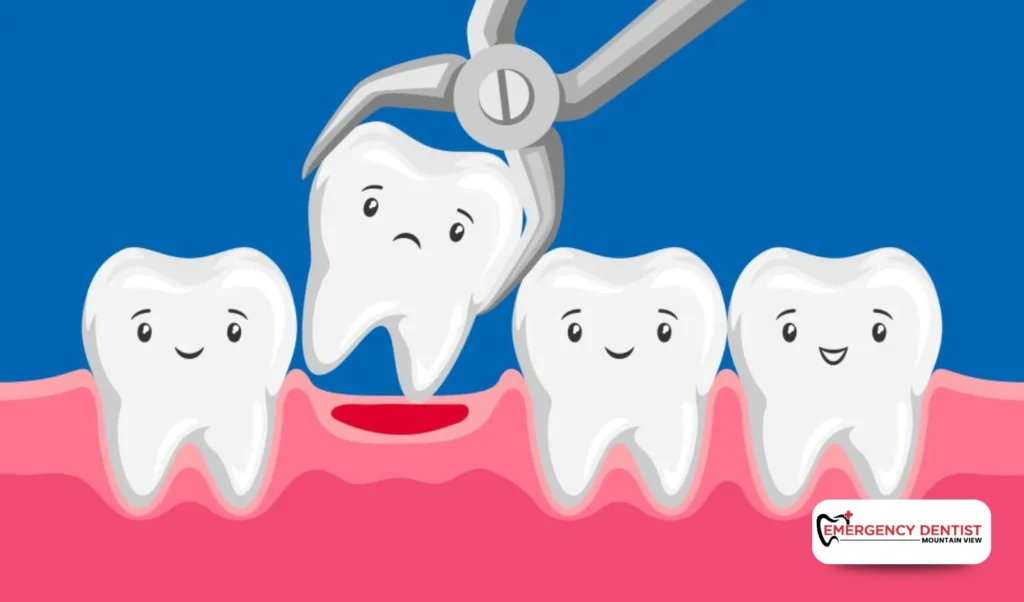
Every patient heals differently, but the pain usually follows a general pattern:
- First 24 hours: Pain is most noticeable once anesthesia fades. Swelling and light bleeding are normal.
- 48 hours: Swelling may peak, but soreness often begins to ease with rest and pain relievers.
- Days 3-5: Pain lessens noticeably, and chewing soft foods becomes easier.
- One week or more: Most patients feel much better if the extraction site and clot are left undisturbed.
If wisdom teeth are removed or the procedure is complex, discomfort may last up to two weeks, but it should steadily improve each day.
How Long Should a Tooth Extraction Hurt?
For most patients, pain decreases within a week. However, if pain persists, becomes more intense, or radiates into the jaw or ear, it may point to a complication.
Signs That May Indicate a Problem:
- Dry socket: If the blood clot becomes dislodged too early, bone and nerves are exposed, causing severe throbbing pain.
- Sign of infection: Worsening swelling, fever, pus, bad breath, or discomfort that doesn’t improve.
- Excessive bleeding: Light oozing is common, but heavy bleeding beyond the first day is unusual.
If you experience any of these issues, don’t delay, schedule an appointment with an Emergency Dentist in Mountain View to receive timely care.
Managing Pain After a Tooth Extraction

Following the right steps can help reduce pain and promote smoother healing:
- Ice pack: Apply on your cheek near the area in 15-20 minute intervals during the first 24 hours to reduce swelling.
- Warm salt water rinse: Begin gently rinsing your mouth with warm salt water after the first day to lower bacteria and protect the socket.
- Soft foods: Stick with mashed potatoes, yogurt, smoothies, or soup until chewing becomes more comfortable.
- Pain relievers: Take any prescribed or over-the-counter medication exactly as directed by your dentist.
- Gentle rinsing: Avoid spitting forcefully; let water fall naturally to protect the clot at the extraction site.
Protecting the Extraction Site

Keeping the clot intact is the key to a smooth healing process. Here are a few habits that help:
- Brush and floss your teeth, but avoid scrubbing over the extraction site for several days.
- Use a soft-bristled toothbrush to avoid irritating the gum tissue.
- Skip alcohol-based mouth rinses until the site has closed more fully.
- Focus on avoiding smoking, as it can dislodge the clot and increase the risk of dry socket.
By protecting the area, you give your mouth the best chance for steady recovery.
When to Schedule an Appointment with an Emergency Dentist in Mountain View
Mild soreness and swelling are expected, but if symptoms do not improve, you should reach out to an Emergency Dentist in Mountain View. Seek care if:
- Pain after tooth extraction gets worse instead of better.
- Pain persists beyond one week.
- You notice pus, foul taste, or constant bad breath.
- Severe pain develops that may suggest dry socket.
- Heavy bleeding continues after the first 24 hours.
Contacting a dentist promptly ensures problems are treated early, protecting your overall recovery.
Supporting a Smooth Healing Process
Small changes to your daily routine can make a big difference in healing:
- Rest for at least a day after the procedure to give your body time to recover.
- Use an ice pack and pain relievers to manage discomfort in the first 48 hours.
- Stick with soft foods until the socket begins to close.
- Practice gentle oral care, avoiding direct brushing of the extraction site.
- Keep the clot intact to lower the chance of dry socket and support healthy healing.
Conclusion
So, how long does it hurt after tooth extraction? For most patients, pain is worst during the first 24 to 48 hours and gradually improves each day. By one week, discomfort is usually minimal if the blood clot remains intact and the extraction site is protected.
By following your dentist’s aftercare instructions, such as using an ice pack, eating soft foods, gently rinsing your mouth, and taking pain relievers as directed, you can make recovery more comfortable and support your long-term oral health.
If you notice a sign of infection, severe pain from dry socket, or if pain persists, don’t wait. Schedule an appointment with a trusted Emergency Dentist in Mountain View. With timely treatment and careful at-home care, your smile can heal fully and stay healthy for years to come.
Frequently Asked Questions
How long does a tooth extraction hurt?
Pain peaks in the first 24–48 hours and usually improves within a week.
What are signs of infection after extraction?
Watch for swelling, fever, pus, bad breath, or pain that doesn’t improve.
How can I ease pain after tooth extraction?
Use an ice pack, eat soft foods, rinse gently, and take pain relievers as directed.