
What Causes Tooth Pain? A Guide to Common Symptoms
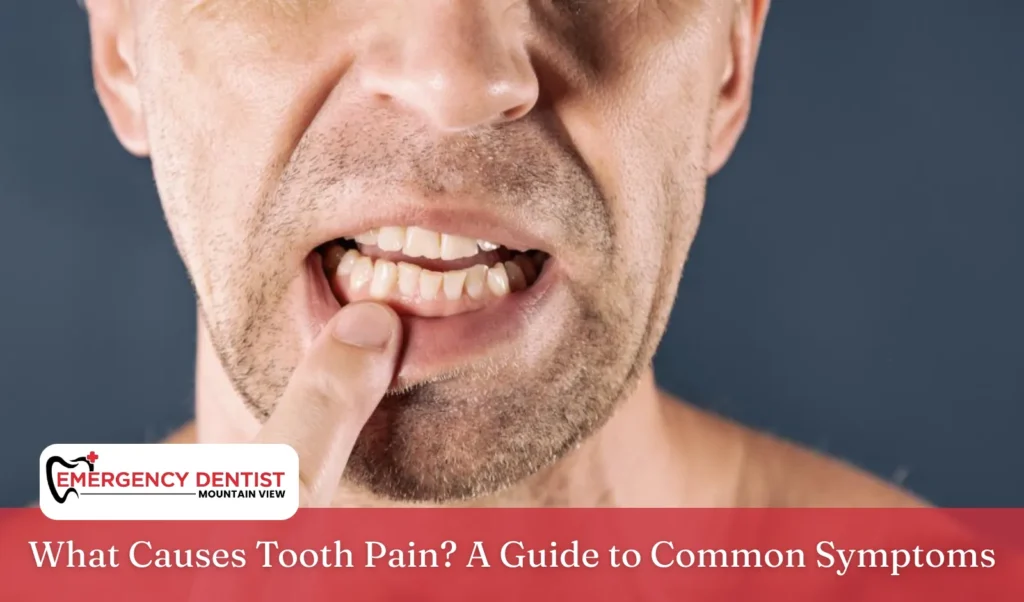
Tooth pain can show up suddenly or build slowly over time, and it often signals that something is wrong with your teeth and gums. Whether you’re dealing with tooth decay pain, gum pain by tooth, or sharp discomfort from a tooth infection pain, understanding the main tooth pain causes can help you take action before things worsen. This guide breaks down what causes tooth pain, the most common tooth pain symptoms, and when to visit your dentist for proper care.
What Causes Tooth Pain?
There are several causes of tooth pain, and many of them begin with dental issues affecting the soft tissues, nerves, or gum tissue around your teeth. When these affected areas become irritated or damaged, discomfort can develop quickly. Here are the most frequent reasons people experience dental pain.
1. Tooth Decay Pain
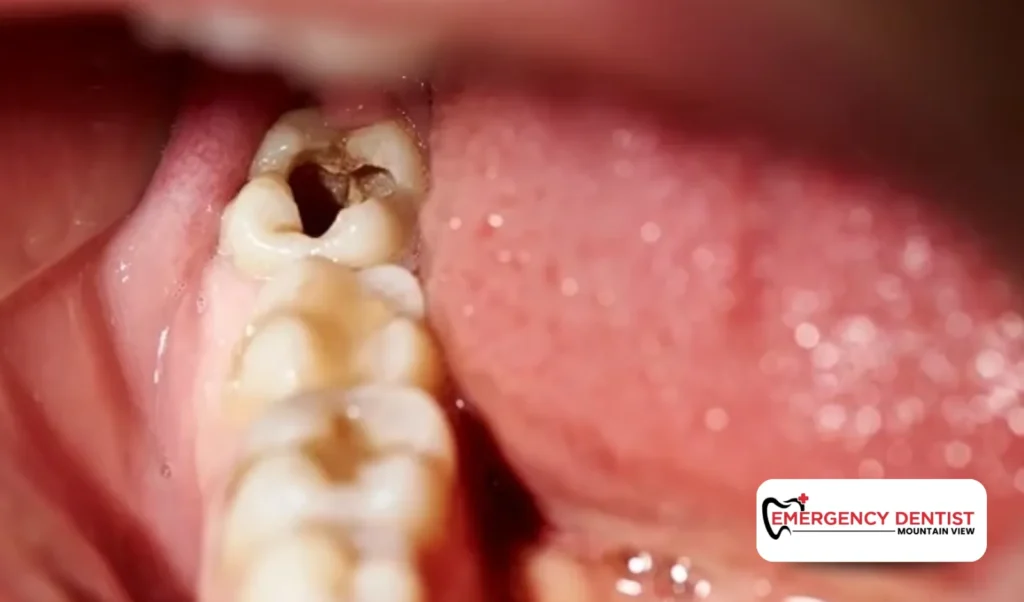
Tooth decay is one of the leading tooth pain causes. Decay occurs when acids wear down the tooth enamel, eventually creating small openings that expose the inner layers of the tooth. As the enamel weakens, you may first notice tooth sensitivity while eating or drinking something hot or cold. If the decay grows deeper, lingering tooth cavity pain can develop, especially when chewing.
Prevention tip: Brush your teeth twice a day with fluoride toothpaste to strengthen enamel and lower your risk of cavities.
2. Hole in Tooth Pain
A visible hole in the tooth is a clear sign that decay has progressed. This can cause sharp discomfort when biting down, tooth sensitivity, or a bad taste in your mouth. A hole in tooth pain often means the cavity is deep enough to require dental treatment right away, since the inner layers may be exposed to bacteria.
3. Tooth Infection Pain and Abscess Tooth Pain
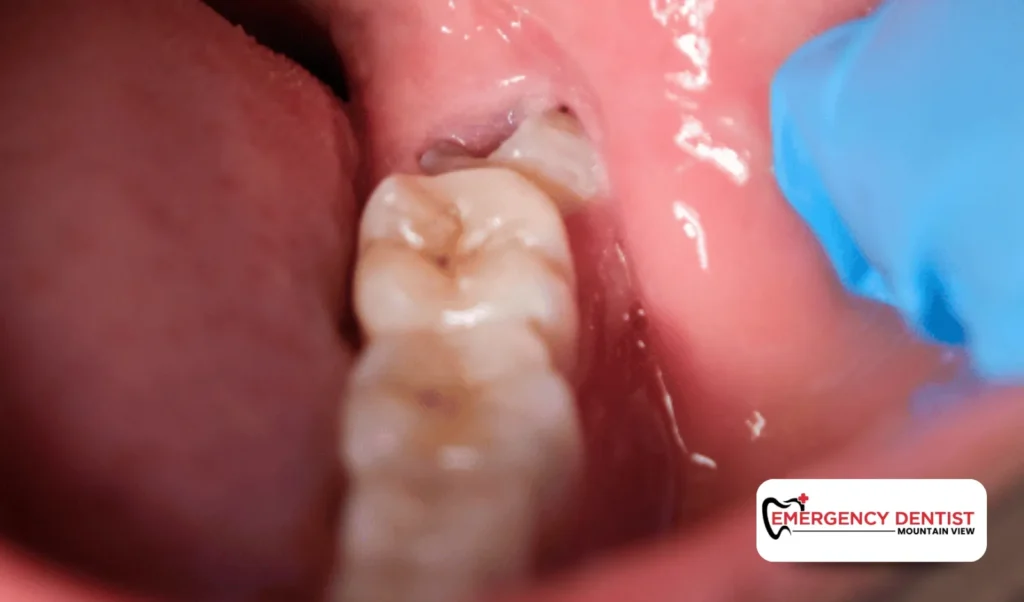
When decay or damage reaches the pulp, a bacterial infection can develop inside the tooth. This can lead to tooth abscesses, pockets of pus that cause severe, throbbing pain. Abscess tooth pain or abscessed tooth pain may also come with swelling of the face, fever, or trouble chewing.
A dental abscess is serious and can spread beyond the tooth if ignored.
Urgent tip: Call your dentist immediately if you have swelling, fever, or intense pain that does not go away.
4. Gum Disease and Tooth Pain
Plaque left on the teeth can inflame the gum tissue and lead to gum disease. Early gum irritation causes redness, tenderness, and mild gum pain by tooth. As the disease progresses, gums may bleed when you brush or floss, and eventually you may develop loose tooth pain as the bone weakens.
Consistent oral hygiene helps prevent gum recession and inflammation.
5. Loose Tooth Pain
Adults should not have loose teeth. If you feel loose tooth pain when biting, this could be due to advanced gum disease, an untreated bacterial infection, or trauma to the soft tissues. This type of pain often gets worse without dental treatment and should never be ignored.
6. Cold and Tooth Pain

If cold drinks or cold air cause tooth sensitivity, damaged enamel, gum recession, or tiny cracks might be exposing sensitive inner layers. Cold and tooth pain is especially common in people who grind their teeth or brush too aggressively.
Fluoride toothpaste may help reduce sensitivity and protect vulnerable areas.
7. Tooth Pain Symptoms to Watch For
Early recognition of tooth pain symptoms can prevent small problems from turning into serious infections. Look out for:
- A dull ache or sharp shooting pain
- Red, swollen gum tissue
- Pain when brushing or flossing
- Sensitivity to hot or cold
- Bad breath or a constant bad taste
- A visible hole in the tooth
- Swelling in the jaw or face
- Pain when eating or drinking
Even mild symptoms can signal something deeper, such as a sinus infection that affects upper tooth roots.
8. How Dry Mouth Plays a Role
Dry mouth reduces saliva, which protects the teeth and washes away harmful bacteria. Without enough moisture, your risk for cavities, tooth decay pain, and bacterial infections increases. Dry mouth may be caused by medications, dehydration, or sleeping with your mouth open.
9. Home Remedies and When to Call Your Dentist
Home remedies can offer short-term pain relief, but they won’t fix the root cause. You can rinse your mouth with warm salt water, use clove oil carefully, or take over-the-counter medication, but these should only be temporary solutions.
Call your dentist if:
- Pain lasts more than 48 hours
- Swelling or fever develops
- It hurts to chew or touch the tooth
- You notice pus or severe abscess tooth pain
Prompt dental treatment protects your oral health and prevents the infection from spreading.
Final Thoughts
Toothaches shouldn’t be ignored. Whether the problem is tooth cavity pain, gum disease and tooth pain, or symptoms of a developing abscessed tooth, early care is the best way to prevent complications. Brush or floss daily, keep up with routine dental visits, and pay attention to changes in your teeth and gums. If you’re unsure about your symptoms, visit a trusted Emergency Dentist in Mountain View to get expert care and restore your comfort.